
A 74-year-old man has tested positive for West Nile virus and is being treated in the ICU at Nicosia general hospital, the health ministry confirmed on Thursday.
Speaking to the Cyprus Mail, the state health service organisation’s (Okypy) spokesman Charalambos Charliaou informed that the individual has no recent travel history and has been in hospital since last Wednesday suffering with symptoms of the virus.
Charliaou further relayed that the patient’s health had deteriorated, whereupon he developed encephalitis.
Despite reports in local media of two additional unrelated cases at Nicosia General hospital last month, Charilaou firmly denied this, explaining that the cases being circulated concerned dengue fever.
Infectious diseases specialist Aristos Aristodimou said the case fell within the one per cent of patients who develop serious infections of the central nervous system, a complication typically affecting elderly or immunocompromised individuals, though not exclusively.
Aristodimou explained that the majority of infections caused by the virus remain asymptomatic, while a smaller proportion of patients present with flu-like symptoms.
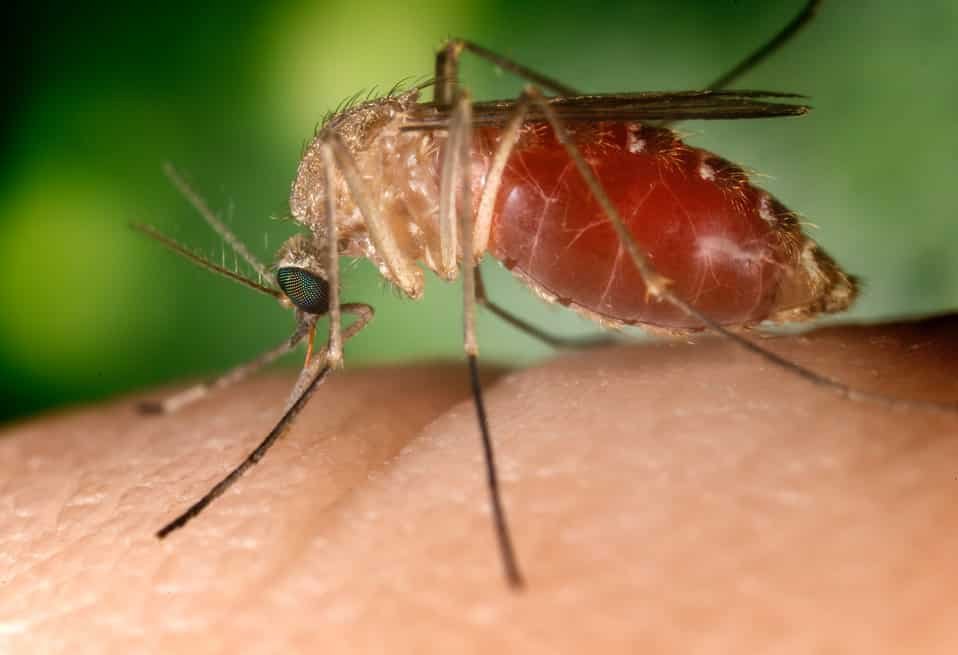
He clarified that the virus is transmitted exclusively through the bite of an infected mosquito and cannot pass between people.
Health ministry deputy director Elizavet Constantinou said the ministry has protocols and procedures in place for managing confirmed cases, with detection followed by targeted spraying to combat mosquito populations.
Aristodimou said spraying is carried out throughout the year but is intensified once a case is identified, with teams dispatched to trace areas where the patient may have been infected.
Constantinou said cases of the virus remain sporadic in Cyprus and that the current picture does not inspire particular concern, despite outbreaks recorded elsewhere in Europe.
She said the virus has been monitored in Cyprus since 2016, with recorded cases remaining sporadic throughout that period.
She pointed to 2019, when 24 cases were recorded, and 2023, when nine cases were identified, as exceptions to an otherwise low incidence, adding that some years, including 2020, 2021 and 2025, passed without a single case.
Aristodimou said a case had been expected this year, since the mosquito species capable of transmitting West Nile virus is endemic to Cyprus.
He said the ministry’s services also remain on alert for Aedes aegypti and Aedes albopictus mosquitoes, which can transmit diseases not endemic to the island, including Dengue fever and Zika.
Constantinou stressed the importance of residents applying insect repellent measures, extending the advice to travellers visiting regions currently experiencing outbreaks of the virus.
West Nile virus is transmitted primarily through the bite of infected mosquitoes, which contract the virus after feeding on infected birds.
It is not passed between people through casual social or sexual contact, nor from hospitalised patients to healthcare staff.
The incubation period following a mosquito bite typically ranges between two and fourteen days.
Fewer than one per cent of those infected develop serious complications affecting the nervous system, including encephalitis, meningitis or paralysis.
People over 50, along with those who are immunosuppressed or living with chronic underlying conditions, face a higher risk of severe illness.
In rare cases, transmission can also occur through blood transfusions, organ transplants, breastfeeding or from mother to foetus during pregnancy.
The ministry has urged the public to adopt protective measures, including wearing long sleeves and trousers during the evening, using approved insect repellents, fitting screens on windows and doors and avoiding stagnant water from gardens and outdoor containers.





Click here to change your cookie preferences