
Cyprus’ main farming organisations on Thursday backed a proposed programme to rebuild the island’s livestock sector between 2027 and 2038, calling on the government to move quickly towards its implementation.
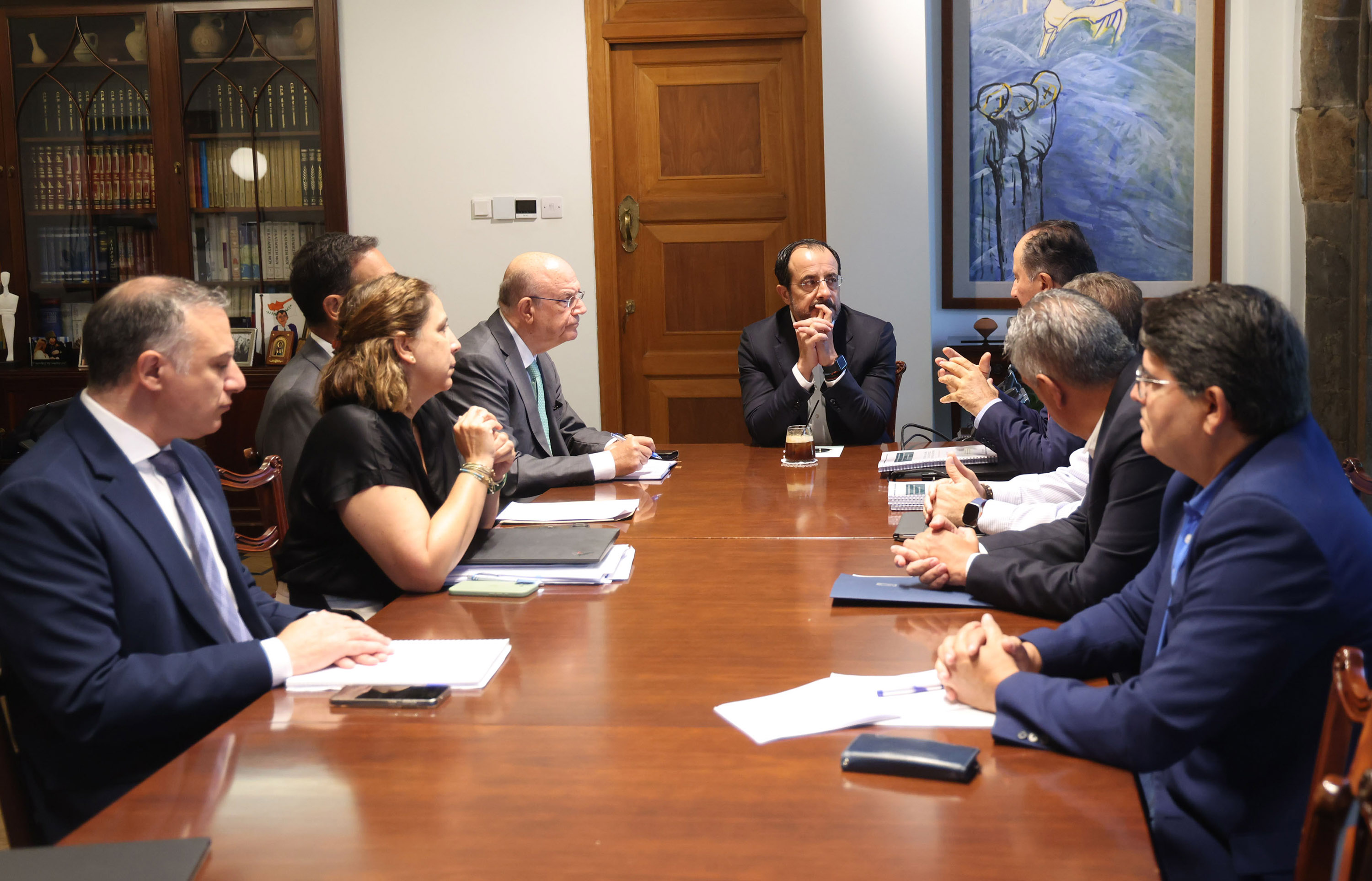
The programme was presented to President Nikos Christodoulides on Thursday by a special scientific team headed by Stavros Malas.
In a joint statement, farmers’ organisations Pek, Eka, Panagrotikos, Nea Agrotiki and Euroagrotikos said the recent foot-and-mouth disease crisis had demonstrated the need for far-reaching decisions and long-term changes to develop the livestock sector.
They said that following the registration of halloumi as a protected designation of origin (PDO) product, Cyprus should proceed with a programme of significant investment in both sheep and goat farming and cattle farming.
Biosecurity, animal welfare, environmental protection, genetic improvement and scientific support for farmers should be among the first measures implemented under the programme, the organisations said.
They also backed proposals to develop organised meat production and fattening units, an area in which they said Cyprus currently lags behind.
Such investment, they added, could create further opportunities for growth, generate additional revenue for the Cypriot economy and make livestock farms more sustainable.
The organisations called on the government to study the proposals and proceed immediately with their implementation.
Meanwhile government spokesman Konstantinos Letymbiotis said on Thursday that proposals for the restructuring of Cyprus’ livestock sector will be presented to stakeholders before being finalised and moved towards implementation.
Speaking following the meeting between President Nikos Christodoulides and the special scientific committee headed by Stavros Malas, Letymbiotis said the committee had carried out “very thorough work”.
“The aim is the restructuring of a vital sector in our country, the livestock sector,” he said, adding that the committee’s findings included specific proposals covering both the medium and long term.
Letymbiotis said the president had been briefed on the findings during Thursday morning’s meeting at the presidential palace. Following instructions from Christodoulides, the findings will now be presented to all stakeholders, some of whom may already have begun receiving briefings.
The aim, he said, is to allow for a “constructive exchange of views” before the proposals are put into their final form.
The process would then move to the next stage, involving the adoption and implementation of the committee’s findings.
Asked about the scope of the proposals, Letymbiotis said the committee’s work was extensive in both its breadth and depth.
He also thanked Malas and the other members of the scientific committee for their work.
In a social media post, head of the special scientific committee Stavros Malas said two reports had been submitted on Thursday, one concerning the reactivation of livestock farms affected by the foot-and-mouth disease crisis, broken down by farming region and location, and the other on the wider restructuring of Cyprus’ livestock sector.
The latter includes the proposed 12-year Recovery and Restructuring Programme for 2027-2038.
Malas said that, following instructions from President Nikos Christodoulides, it had been agreed that the committee’s study and proposals would be publicly presented in the coming days, with the participation of all relevant bodies and stakeholders.
The aim, he said, was to allow for full information and meaningful discussion on proposals for the recovery, modernisation and long-term restructuring of the sector.
He added that the public presentation would mark the beginning of a broader discussion aimed at turning the foot-and-mouth disease crisis into an opportunity to create a more productive, sustainable and resilient livestock sector.
Malas also stressed that none of the committee members or others involved in its work had received additional payment or any other financial benefit for their contribution, saying the work had been carried out with a sense of “scientific and ethical responsibility” and with the aim of producing an evidence-based, workable and long-term proposal for the future of Cyprus’ livestock sector.




Click here to change your cookie preferences