
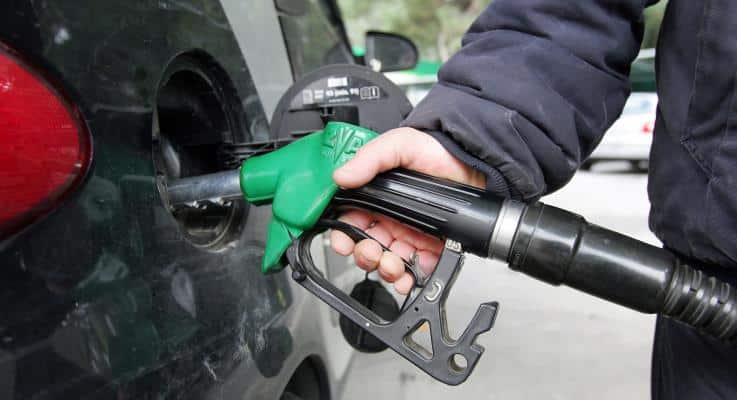
Fuel prices are likely to rise further unless current trends change, consumer protection service director Constantinos Karagiorgis warned on Monday.
“There is a possibility, if nothing changes, that the next stocks received will come with additional increases. The trends are not positive,” he said.
According to consumer protection service data, fuel prices have been rising since July 13, with unleaded petrol increasing by 16 cents per litre and diesel by 31.8 cents per litre.
Heating oil has also risen by 13.7 cents per litre over the past month and a half.
According to data from August 31, Cyprus had the third-lowest price for unleaded 95 petrol in the EU, behind Malta and Bulgaria, while its diesel was the eighth cheapest.
As of Monday, the nationwide average price of unleaded 95 stood at €1.625 per litre, with prices ranging from €1.545 to €1.718.
Meanwhile the average price for diesel fuel stood at an average of €1,884, with the cheapest recorded price standing at €1,795 and prices reaching up to €1,989 at some petrol stations.
The average price of heating oil stood at €1.5, ranging from €1.389 to €1.655.
Energy Minister Michael Damianos said on Sunday that discussions were underway on measures to address rising fuel prices, with decisions expected by September 17.
He said the government had already introduced measures to reduce electricity and fuel costs, which are due to remain in force until September 17.
Last Tuesday Finance Minister Makis Keravnos also said that the reduction in fuel excise duty would be extended for another one or two months, with new measures expected to take effect on September 18 following approval by cabinet and parliament.
Further price hikes are expected in 2028, as the Republic is planning to harmonise with European Union regulations that stipulate an increase in the use of biofuels in transport.
The blending of biofuels into transport and aviation fuel is intended to reduce the intensity of greenhouse gas emissions. The measure is calculated to raise the price of diesel by about 7 cents a litre, and 2.5 cents for petrol.
The revised Renewable Energy Directive establishes binding targets for the share of renewable energy in the transport sector, including maritime and aviation.
By 2030, EU member states are required either to achieve a 29 per cent share of renewable energy in transport or reduce the greenhouse gas intensity of transport fuels by 14.5 per cent.




Click here to change your cookie preferences