
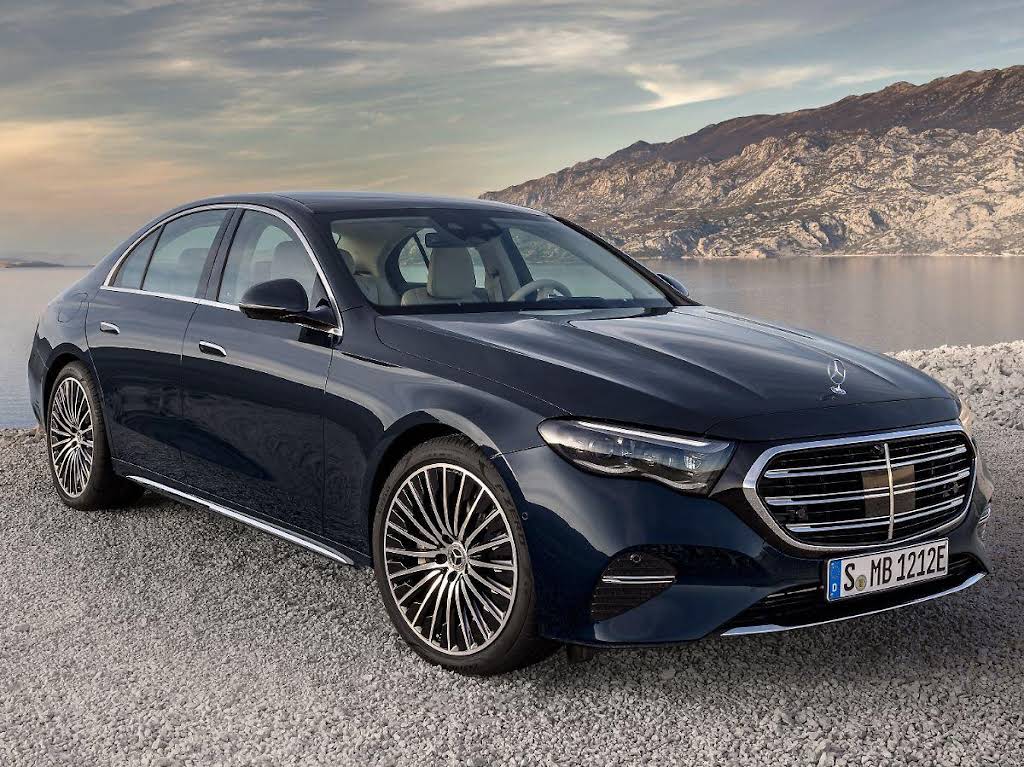
Five Mercedes vehicles bought in preparation for Cyprus’ EU council presidency have been assigned to the police leadership for transportation, despite their reported cost and specifications, prompting a complaint to the audit office.
The Mercedes E 450d vehicles cost approximately €87,000 each and were acquired ahead of the 2026 Cyprus presidency.
Five such vehicles were subsequently assigned to the Deputy Police Chief Panikos Stavrou as well as his own deputies Marios Agiotis, Michalis Katsounotos, Yiannakis Georgiou and Ioannis Mavrochannas.
The decision has raised questions within the police over whether the vehicles could have been put to more serious operational use.
The vehicles have 375 horsepower and can accelerate from zero to 100 kilometres per hour in 4.4 seconds. Cars of this specification would normally be associated with escort or other specialised duties rather than routine transportation.
Deputy chiefs may only use official vehicles for movements carried out in the course of their duties.
The Chief and Deputy Chief are permitted 24-hour use of an official vehicle and an escort.
Police chief Themistos Arnaoutis reportedly chose to retain his existing vehicle, but did not prevent the acquisition of the Mercedes vehicles for other members of the leadership.
Services currently using newer vehicles for official work have been left with older vehicles while the Mercedes cars are being used by senior officers for transportation.
According to news outlet Reporter, there are also allegations that other luxury vehicles used during preparations for the EU presidency, but not purchased by the Republic, were later acquired by police members at substantially reduced prices following their use.
Further allegations concern vehicles capable of operational duties being assigned to state officials for transportation.
The office said in a November 30, 2023, report that exclusive 24-hour use of official vehicles was expressly permitted for the chief and deputy police.
It also called for restrictions on the use of vehicles by junior officers, including assistant chiefs, particularly for personal travel.
The report explicitly stated that junior officials were not entitled to leased vehicles for exclusive use.





Click here to change your cookie preferences