
The trial over alleged fraud at the Avakoum monastery continued on Wednesday, as defence lawyers challenged a former monk’s claims that he was mistreated.
The witness has testified that he worked gruelling hours, had his documents confiscated and was denied contact with his family during his time at the monastery.
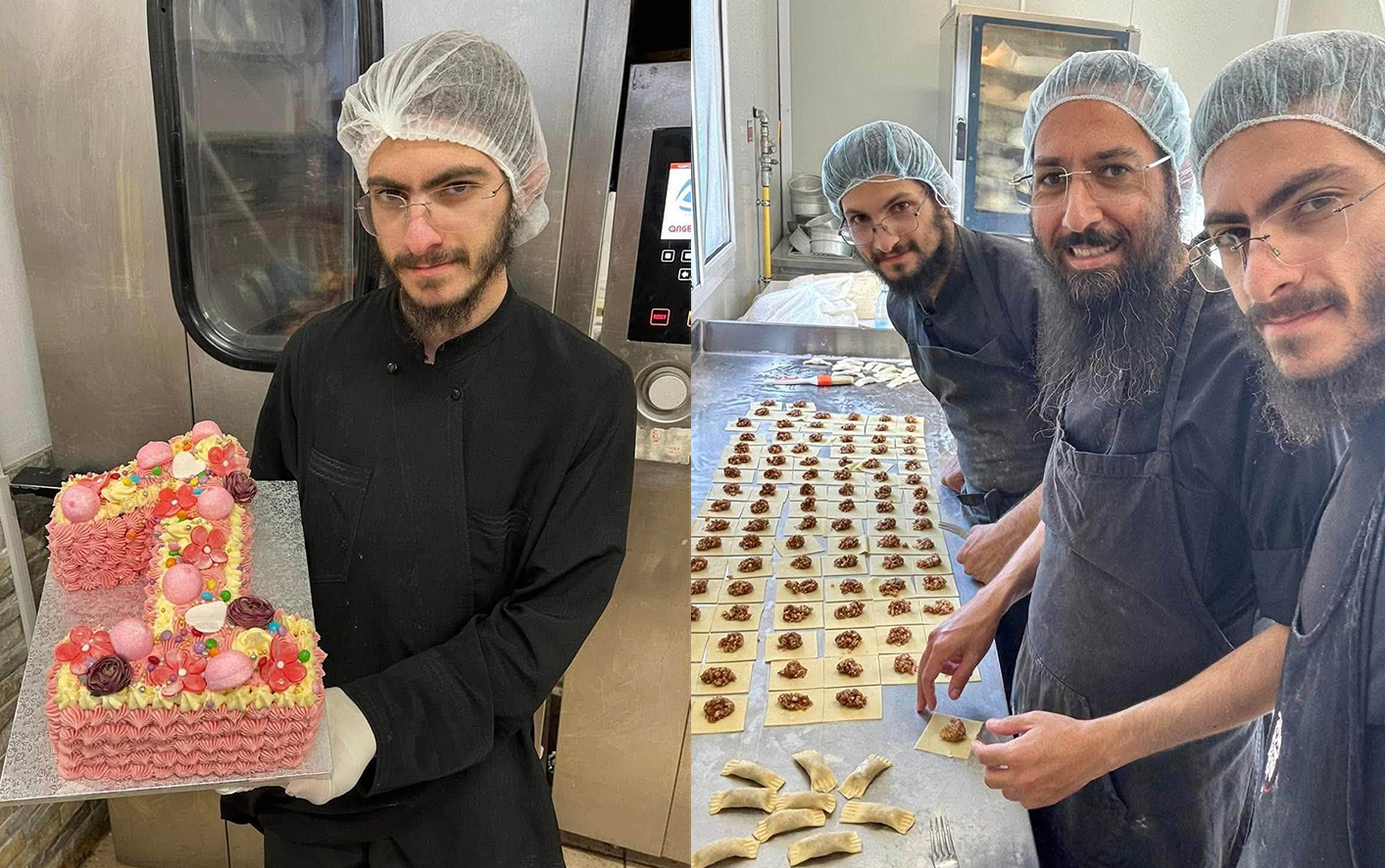
One photograph showed the witness building a snowman with a fellow monk in the snow. Another, taken during a pilgrimage to Jerusalem, showed him holding a camera he said he had been given with his superior’s blessing after asking for a “way to keep memories”, since he had no mobile phone.
A video filmed at the monastery’s confectionery workshop in Askas showed him and other monks preparing sweets to Christmas music in the background.
The witness did not dispute that the scenes were genuine, but stood by his account.
He said the workshop footage matched his description of shifts that ran into the early hours, and that receiving occasional permissions, such as being allowed a camera, did not mean he was treated equally with monks who had phones or computers.
Lawyers also pressed him on money and paperwork, for he had testified there were no receipts for goods sold at the monastery.
Defence counsel Kostis Efstathiou said receipt books existed and were in use, but the witness maintained he never saw one, explaining he spent most of his time in the workshop rather than the shop floor.
He also rejected suggestions he had lied about when his identity card was due to expire, saying his personal documents had been kept by one of the defendants throughout his time at the monastery.
Asked about a fainting episode he described in earlier testimony, the witness said it followed both exhaustion from overwork and a gas leak that caused carbon dioxide inhalation, an explanation the defence suggested he had shaped to fit his case.
The court adjourned the case after a defence request citing an unexpected absence, with hearings due to resume on September 23 and 28.
The two monks deny all charges, which include conspiracy to defraud, forgery, theft, money laundering and filing false tax returns.




Click here to change your cookie preferences