
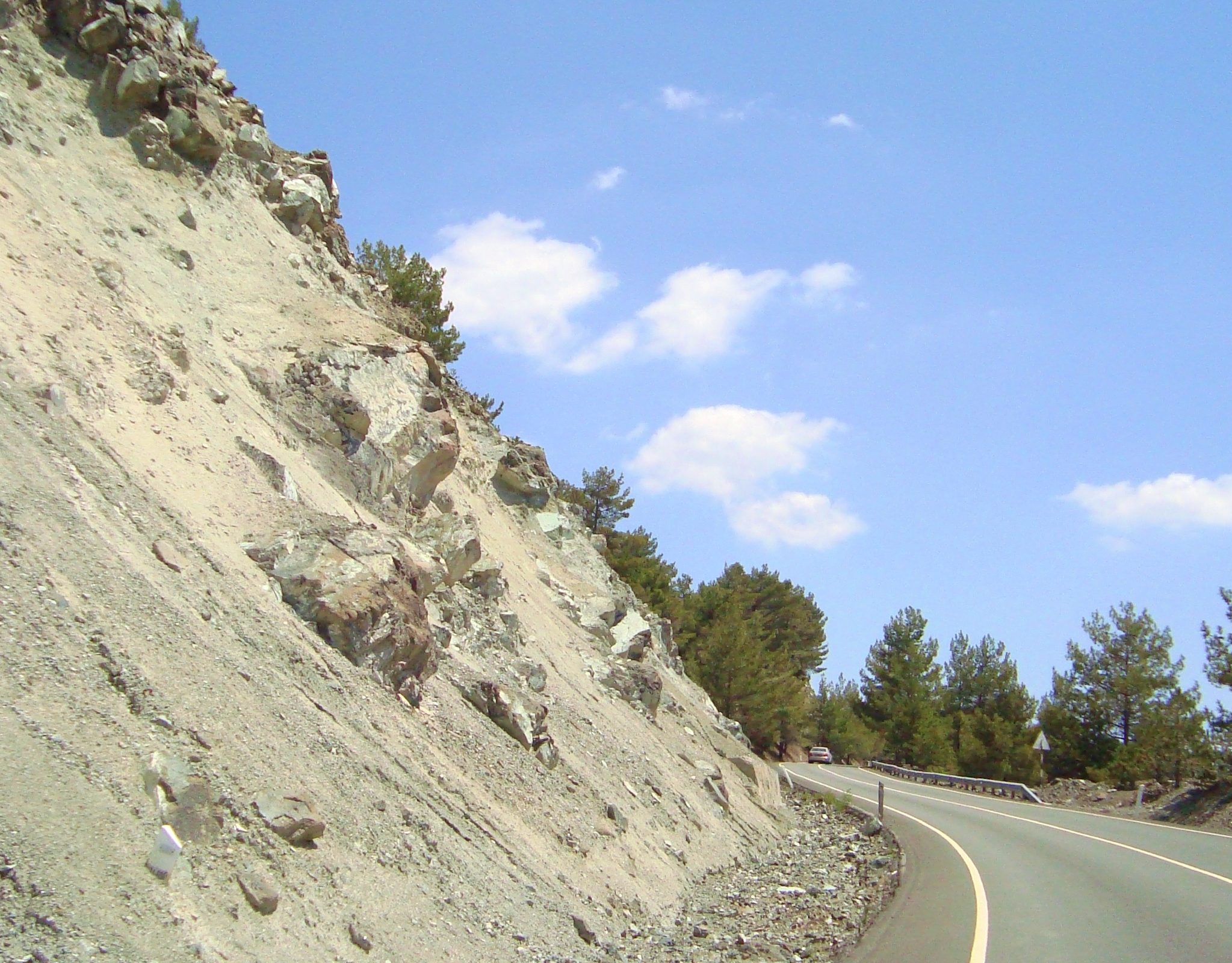
Cyprus is an island made for driving. The coastal roads between Larnaca and Paphos, the pine-covered bends of the Troodos mountains and the quiet villages of the Akamas peninsula are all hard to reach on public transport. Buses connect the main towns well enough, but the moment you want a hidden beach or a mountain winery, you need four wheels of your own.
That is why rent a car in Cyprus is one of the first searches many visitors make right after booking their flights. Before you sign anything at the rental desk, it helps to know how the roads work, what the rental desk will ask for and where the hidden costs usually sit. This guide covers all three.
Driving in Cyprus: the basics
Cyprus drives on the left
Traffic in the Republic of Cyprus moves on the left, as in the United Kingdom, and most cars have the steering wheel on the right. For drivers from continental Europe this takes a few hours to get used to. Roundabouts are the trickiest part: you go clockwise and give way to traffic already on the roundabout.
Speed limits
Motorways generally have a maximum of 100 km/h and a minimum of 65 km/h, other main roads usually 80 km/h, and built-up areas 50 km/h unless signs say otherwise. Always follow the posted signs, as limits change near schools, villages and road works.
Traffic cameras
The island has an extensive network of fixed and mobile speed and red-light cameras. Fines are issued to the registered keeper of the vehicle, which for a hire car means the rental company, who will pass the fine and often an administration fee on to you.
Other rules worth remembering
- Seat belts are compulsory for every passenger, front and back.
- Using a hand-held phone while driving is prohibited.
- Drink-driving limits are strict and checks are common, especially at weekends and on holiday evenings.
- Children must travel in a suitable child seat, which you can order together with the car.
The Troodos roads are beautiful but somewhat narrow and full of bends.
Car rental in Cyprus: what you need at the desk
Requirements differ slightly between companies, but most follow the same pattern. Here is what a typical car rental in Larnaca looks like, using the published terms of one provider as an example:
- Minimum age of 21 and at least two years of driving experience.
- A valid driving licence, plus an International Driving Permit if your licence requires one.
- A passport or official ID card.
- A bank card for the security deposit.
Always check the deposit amount before you book. Many companies set it by car class, and it is blocked on your card until the car is returned in good condition.
How much does it cost? A price table
Prices depend on the season, the car class and how far ahead you book. As a reference, these are daily rates published by Getmancar for its Larnaca fleet as of October 2026:
| Car | Type | Per day | 3 days | Good for |
| Mazda 2 | Compact | €38 | €114 | Couples, city driving |
| Toyota Aqua | Compact hybrid | €43 | €129 | Low fuel use on long trips |
| Nissan Note / Suzuki Swift | Small hatchback | €60 | €180 | Easy parking in old towns |
| Nissan Serena | Minivan | €80 | €240 | Families with luggage |
| Mercedes-Benz E-Class Cabriolet | Convertible | €160 | €480 | Coastal drives, special occasions |
| Jeep Wrangler | 4×4 | €195 | €585 | Akamas tracks, off-road routes |
All cars in this list are automatic, which is worth noting if you are not used to driving on the left: one less thing to think about.
Picking up your car: Larnaca airport or town?
Most visitors land at Larnaca International Airport, so renting a car at Larnaca airport is the obvious choice. You walk out of arrivals, sign the papers and drive straight to your hotel. Picking up in town can be useful if you only need a car for part of your stay, for example for two days of excursions in the middle of a beach holiday.
Collecting the car at the airport saves the cost of a taxi to your hotel.
A closer look at Getmancar in Cyprus
Getmancar is a car rental and carsharing service that works in eight countries, and it has operated in Larnaca since March. For travellers looking to rent a car in Larnaca, the practical details are straightforward. You can collect a car at the company office on Stadiou Street 78 or at Larnaca International Airport, and the network also includes pick-up and drop-off points at bus stations in Paphos, Limassol, Nicosia and Ayia Napa. Delivery to the airport or another address is available for an extra fee.
Every rental includes 250 km per day, which covers most round trips on the island, and insurance packages are chosen at booking and can be cancelled with a refund before the trip starts. The company says all its vehicles come with full insurance coverage. For stays of a month or longer, Getmancar offers individual rates on request, which suits expats and digital nomads who need a car for a whole season rather than a week.
Hidden costs to watch out for
- Fuel policy. Ask whether you return the car with the same fuel level you received it with, and photograph the gauge at pick-up.
- Mileage limits. Check how many kilometres are included per day and the price per extra kilometre.
- Insurance excess. Basic cover often leaves you responsible for a significant amount after damage. Extended cover reduces it.
- Extras. Child seats, GPS and a second driver usually cost extra, so book them in advance.
- Crossing the Green Line. Many rental agreements do not cover travel to the north of the island. Ask before you plan such a trip.
Road trip Cyprus: three easy itineraries
Once you have the keys, here are three classic day trips from Larnaca:
- Larnaca to Lefkara and the Troodos foothills. Lace-making villages, stone houses and quiet roads, about an hour from the coast.
- Larnaca to Limassol and Kourion. The ancient theatre above the sea, followed by an evening walk along the Limassol marina.
- Larnaca to Ayia Napa and Cape Greco. Sea caves, cliff paths and some of the clearest water on the island.
Cape Greco is an easy drive from Larnaca and worth an early start.
Tips for a stress-free first drive
- Practise in a quiet car park for ten minutes if left-hand traffic is new to you.
- Keep to the left lane on motorways except when overtaking.
- Download offline maps: mobile coverage in the mountains can be patchy.
- In summer, never leave children, pets or electronics in a parked car.
Roundabouts take the most getting used to: go clockwise and give way to traffic already on them.
Frequently asked questions
Is driving in Cyprus difficult for visitors?
Not really. The main roads are in good condition and well signposted in Greek and English. The biggest adjustment for most people is driving on the left.
Do I need an International Driving Permit in Cyprus?
It depends on where your licence was issued. EU licences are accepted as they are; drivers with other licences should check with the rental company before travelling.
How much is car hire in Cyprus per day?
As a reference, Getmancar’s Larnaca rates started at €38 per day for a compact car as of October 2026. Prices change with the season.
Can I rent a car at Larnaca airport and return it in Paphos?
Some companies allow it. Getmancar lists points in Paphos, Limassol, Nicosia and Ayia Napa, but confirm one-way terms when you book.
The bottom line
Car hire in Cyprus turns a beach holiday into a real exploration of the island. Learn the left-hand rules, check the deposit and mileage terms, choose a car that matches your plans and keep an eye on the cameras. The roads will do the rest.
DISCLAIMER – “Views Expressed Disclaimer – The information provided in this content is intended for general informational purposes only and should not be considered financial, investment, legal, tax, or health advice, nor relied upon as a substitute for professional guidance tailored to your personal circumstances. The opinions expressed are solely those of the author and do not necessarily represent the views of any other individual, organization, agency, employer, or company, including NEO CYMED PUBLISHING LIMITED (operating under the name Cyprus-Mail).





Click here to change your cookie preferences