
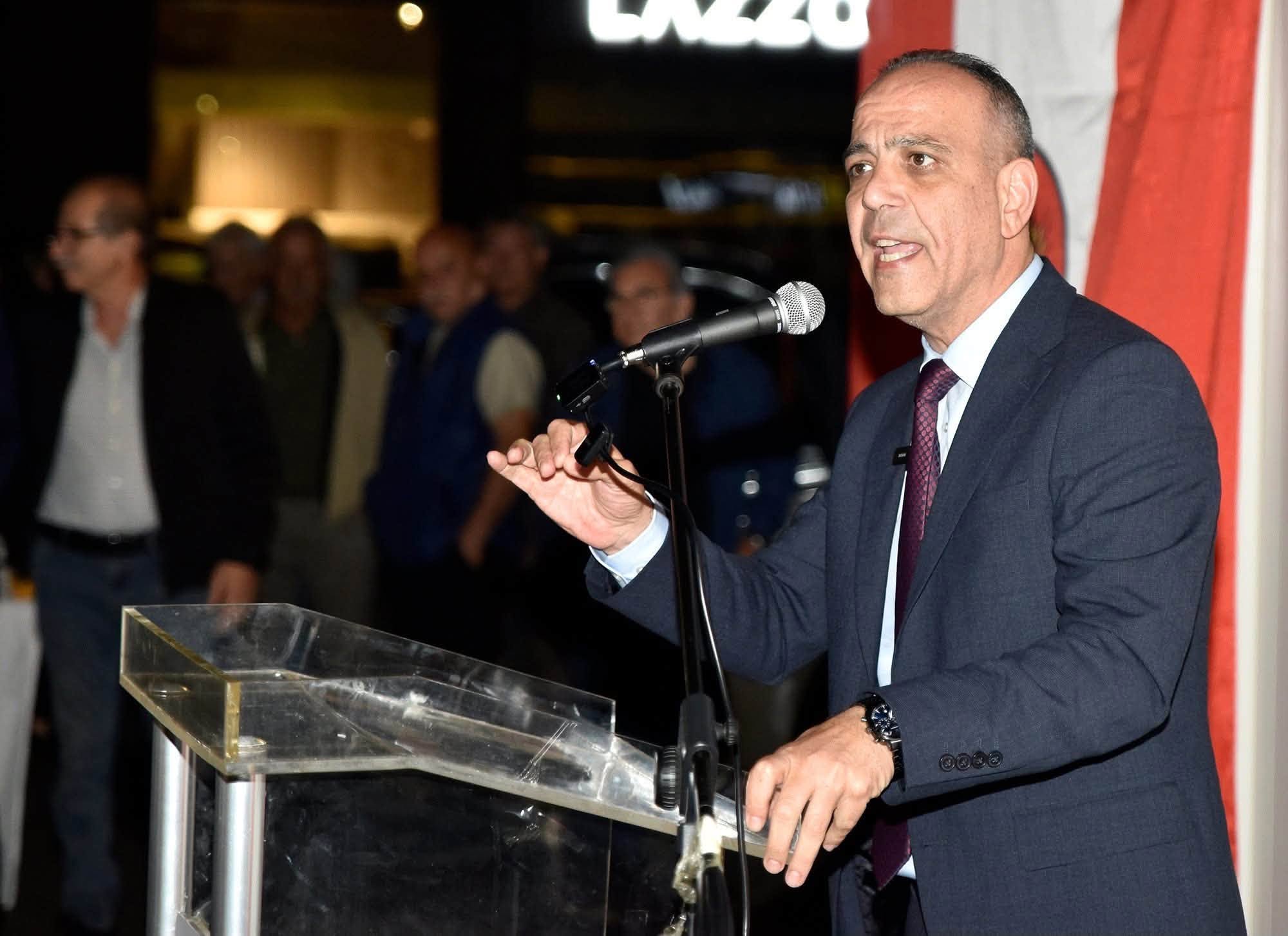
Turkish Cypriot Nicosia mayor Mehmet Harmanci on Monday spoke of a “major disappointment” after the announcement of new crossing points following a meeting of President Nikos Christodoulides, Turkish Cypriot leader Tufan Erhurman, and United Nations envoy Maria Angela Holguin failed to include a crossing point in the capital.
“The decisions reached following the meeting of the Turkish Cypriot and Greek Cypriot leaders have unfortunately failed to provide the expected relief regarding crossing points, which represent one of the most critical issues directly affecting daily life on the island,” he said.
He added that “it is a major disappointment that the Ayios Dhometios crossing point remains congested, that no new vehicular crossing point has been opened in Nicosia, and that our crossing points remain effectively held captive to crossing points in other areas”.
“The fact that the vast majority of vehicular crossings in Nicosia are still funnelled through a single crossing point, Ayios Dhometios, inevitably leads to persistent, long queues – a situation which continues to inflict a form of torture on people’s daily lives,” he said.
While he acknowledged that the two crossing points which the leaders did agree to open, in Louroujina and in Karavostasi, “can be considered positive steps”, he said that both crossing points are “insufficient to alleviate the heavy congestion in and around Nicosia”.
“The lack of concrete progress on a Nicosia crossing point, such as the one at Mia Milia, which has long been on the table and which would benefit both communities, demonstrates that these confidence-building measures are failing to address the public’s most urgent needs,” he said.
To this end, he said that “one would have expected the two leaders to take bolder, more lasting steps, especially given the current environment where people lose hours waiting in queues, and where economic and social life is made increasingly difficult”.
“The persistence of these queues is not merely a logistical or transport issue. It serves as a tangible barrier, hindering contact between the wo communities and complicating everyday life,” he said.


Click here to change your cookie preferences