
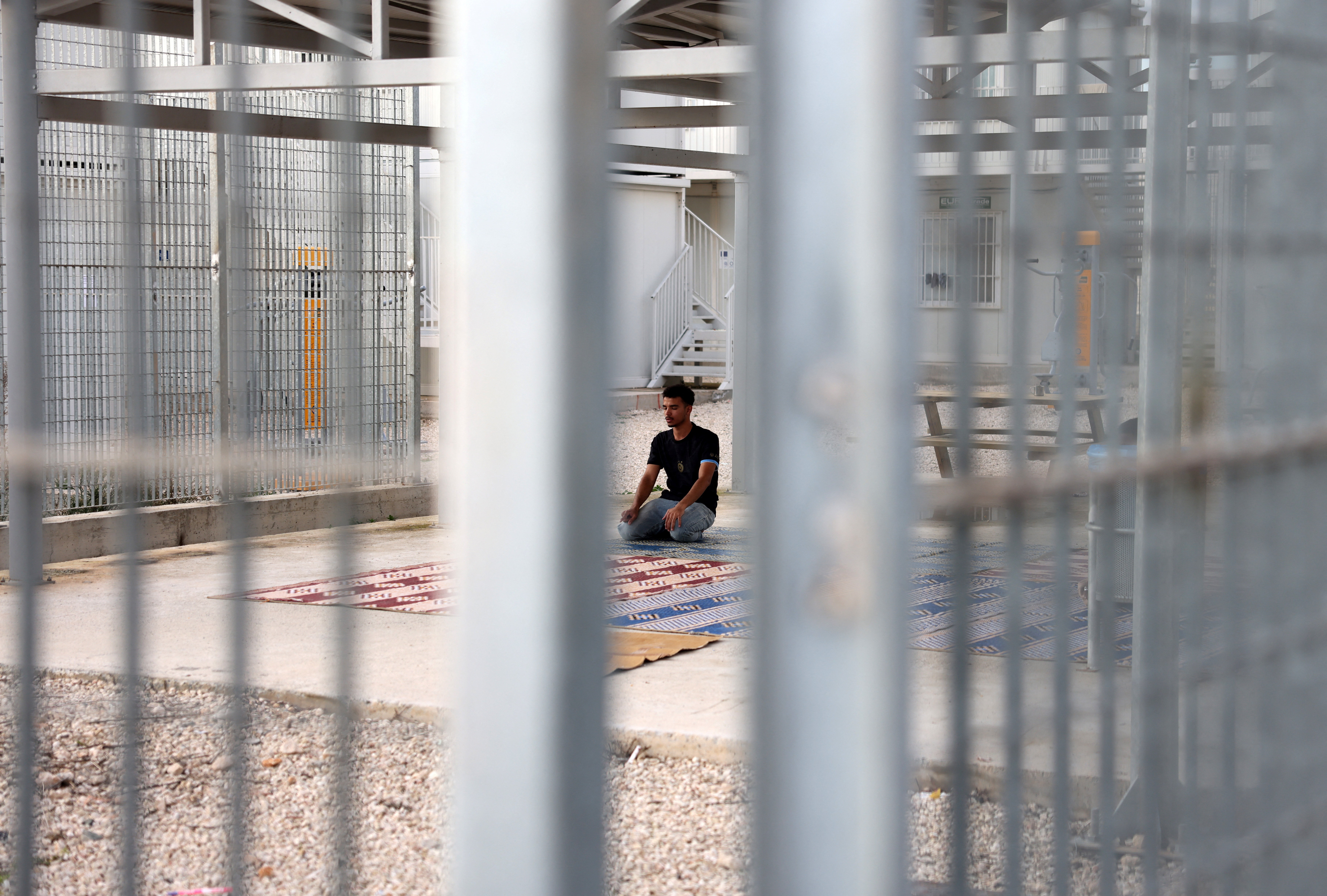
Illegal migration flows to Cyprus have fallen by 92 per cent since 2022, Deputy Migration Minister Nicholas Ioannides told the House finance committee on Monday, as he presented his department’s budget of €60.2 million.
Arrivals from January to date this year total 1,500, against 14,000 in the same period of 2022.
Ioannides said arrivals by sea had been eliminated and crossings through the Green Line “dramatically” reduced.
Since the start of 2026, more than 8,600 third-country nationals and about 40,000 others under the ministry’s remit have left the island.
The new annual budget is down from €74.7 million this year, mainly as major construction projects have since finished.
Of the total, €58.1 million covers running costs and €2.1 million development.
Ioannides said 90 per cent of the budget, excluding salaries, would come from European funds.
Cyprus is expected to receive about €800 million for migration under the EU budget for 2028 to 2034.
About 200,000 residence permits are in force, most of them held by Russians, with 5,000 granted to Israelis.
20,000 granted asylum
Around 20,000 people have been granted asylum, and asylum seekers and beneficiaries of international protection total 30,000.
Ioannides said more than 90 per cent of asylum applications are rejected, and that 75 per cent of returns were voluntary.
Spending on asylum seeker benefits has dropped from €33 million in 2022 to a projected maximum of €13 million this year.
The Pournara upgrade and the Kofinou expansion are complete, and the Limnes centre is due in November.
Pournara hosts 364 people and Kofinou 396, each receiving €100 a month.
The ministry now houses 120 unaccompanied minors, mainly from Syria and Somalia. Forty-six posts will be filled in 2027.
‘Substantial problems’ remain with who is allowed in
Committee chair and Diko MP Christiana Erotokritou said, “the numbers are there and no one can question them”.
Disy MP Nikoletta Constantinou said progress on who enters the country was clear but “substantial problems” remain over who stays and who leaves.
Constantinou said public concern would persist “as long as there are incidents of crime and delinquency that cause insecurity in neighbourhoods”, and as long as schools are left to manage the integration needs of children with a migrant background “without the necessary support”.
Her party colleague Savvia Orphanidou asked whether migration flows continue through the Green Line and spoke of “ghettoisation” in the old walls of Nicosia.
Akel MP Aristos Damianou also pointed to ghettoisation, saying that to stop it, integration policies “must be advanced with a sense of urgency”.
He called integration “the most important stage” and the one where Cyprus is “lagging behind”, adding that the deputy ministry itself recognises the problem.




Click here to change your cookie preferences