
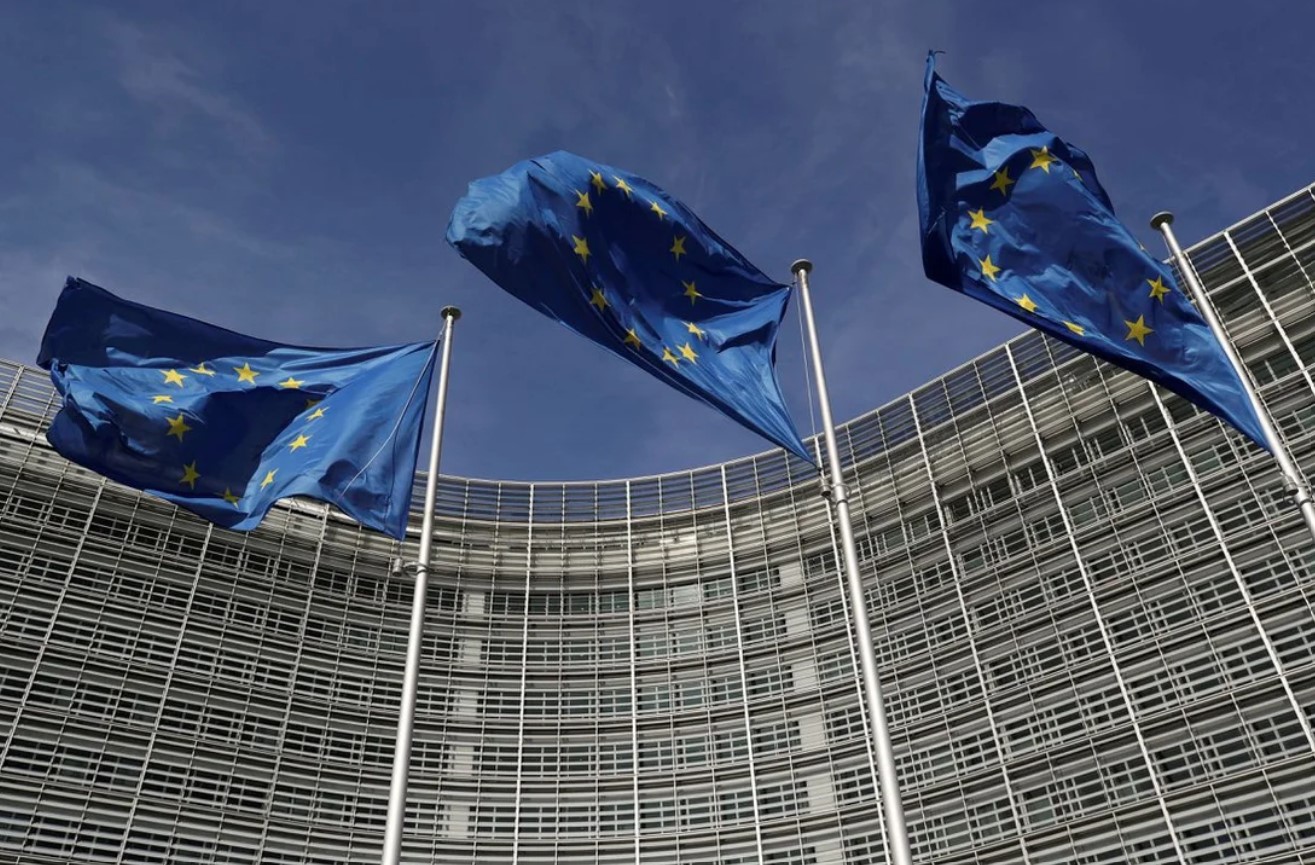
Cyprus could have until 2036 to comply with higher European Union taxes on cigarettes under a proposed deal backed by Nicosia, but the agreement was held up on Monday after Malta refused to join the other 26 member states in supporting the reforms.
The disagreement left EU finance ministers without a deal following lengthy negotiations in Brussels on November 9, despite concessions designed to bring reluctant countries on board.
For Cyprus, the proposed extended transition period is particularly important, as it would allow the government to introduce higher tobacco taxes more gradually rather than having to meet the new European thresholds by 2032.
Finance Minister Makis Keravnos, who represented Cyprus at the Economic and Financial Affairs Council (Ecofin), backed the latest compromise put forward by the Irish presidency, describing it as balanced and sufficiently flexible to accommodate the concerns of individual member states.
According to the finance ministry’s official statement, the proposal builds on negotiations conducted during Cyprus’ presidency of the Council earlier this year, when Nicosia helped develop the compromise texts subsequently taken forward by Ireland.
The latest setback means the proposed increases remain on hold, with no immediate change to cigarette taxation in Cyprus.
Under the Irish proposal, the EU’s minimum excise duty on cigarettes would increase from the current €90 per 1,000 cigarettes to €140 from July 2028, followed by €170 in 2030 and €200 in 2032.
By 2032, the tax would also generally have to account for at least 60 per cent of the weighted average retail price, subject to exemptions.
However, these figures represent minimum tax requirements, not the amount consumers would automatically pay at the till. The impact on cigarette prices would depend on existing national duties, subsequent government decisions and how much of any additional cost tobacco companies pass on to customers.
The more significant provision for Cyprus is the possibility of delaying full compliance until January 1, 2036.
According to the latest compromise details reported by Italian media, the extension would cover ten countries, including Cyprus, Greece, Italy, Bulgaria, Spain, Croatia, Luxembourg, Portugal, Romania and Slovenia.
These are countries where meeting the proposed thresholds would require average annual excise duty increases exceeding 2.35 per cent compared with 2025 levels.
The additional time would also apply to fine-cut tobacco used for rolling cigarettes, giving affected governments longer to bring their tax systems into line with the new European requirements.
Crucially, though, the extension has not been approved. It remains part of the negotiations and could still change before a final agreement is reached.
The reform goes considerably further than ordinary cigarettes.
Brussels wants to bring electronic cigarettes, heated tobacco products and nicotine pouches into a common European tax framework, addressing differences between national systems that have become increasingly apparent as the market for alternative nicotine products has expanded.
Under the compromise, liquids used in electronic cigarettes, including those without nicotine, would face minimum taxation initially based on 20 per cent of the retail price or €0.20 per millilitre, with further increases envisaged.
Nicotine pouches would also become subject to EU-wide minimum duties, beginning at 10 per cent of the retail price or €30 per kilogram in 2028.
The Council’s negotiating document sets out subsequent increases to 25 per cent or €40 per kilogram in 2030, followed by 50 per cent or €50 per kilogram in 2032.
These products became one of the main sources of disagreement between governments.
Finland argued that the proposed minimum taxation of nicotine pouches was too low, while Estonia objected to arrangements that could allow future tax adjustments without the unanimous approval of member states.
Following further negotiations, both countries were brought on board.
The Irish presidency offered additional provisions to revisit the taxation of nicotine pouches and changes to the mechanism for adjusting minimum duties in line with inflation.
That left Malta as the only remaining opponent.
Maltese Finance Minister Clyde Caruana argued that the proposed minimum rates were still too high relative to those currently applied in his country and could have a disproportionate economic impact.
He also questioned the extent to which European legislation should determine national tax policies, maintaining that governments must retain sufficient flexibility to respond to their own economic circumstances.
Malta has said it supports the wider objectives of the legislation but cannot accept the present terms.
The dispute is significant because EU tax legislation requires unanimous agreement, meaning a single government can prevent a deal even when every other member state supports it.
Irish Finance Minister Simon Harris, who chaired Monday’s discussions, acknowledged the disappointment but welcomed the progress made in securing the support of 26 countries.
He described nicotine and tobacco consumption as a public health emergency and said the Irish presidency would continue working towards agreement in December.
Beyond taxation, the proposed legislation could also change the rules governing cigarettes carried across EU borders.
The compromise would reduce the indicative quantity for personal consumption from 800 to 200 cigarettes, effectively bringing the reference threshold down from four cartons to one.
This would not amount to an outright ban on carrying more than 200 cigarettes. Customs authorities would still have to assess whether the products were genuinely intended for personal use rather than resale, taking account of the circumstances.
Nevertheless, the change could have implications for travellers purchasing tobacco in one EU country and transporting it to another.
The broader reform reflects Brussels’ attempt to update tobacco legislation that has not undergone a major revision since 2010, despite substantial changes in smoking habits and the emergence of new nicotine products.
When the European Commission unveiled its original proposals in July 2025, it estimated that the changes could generate an additional €15 billion in annual tax revenue across the EU and reduce healthcare costs by approximately €6 billion.
Those estimates relate to the Commission’s original package, rather than the subsequently revised Irish compromise.
The Commission has also pointed to the public health burden, with tobacco responsible for almost 700,000 deaths annually in the EU and smoking prevalence remaining at around 24 per cent.
Its longer-term objective is to reduce tobacco use to below five per cent of the population by 2040.
The financial implications are therefore only part of the discussion, with governments also weighing the effect of higher duties on consumers, national revenues, tobacco markets and cross-border trade.



Click here to change your cookie preferences