
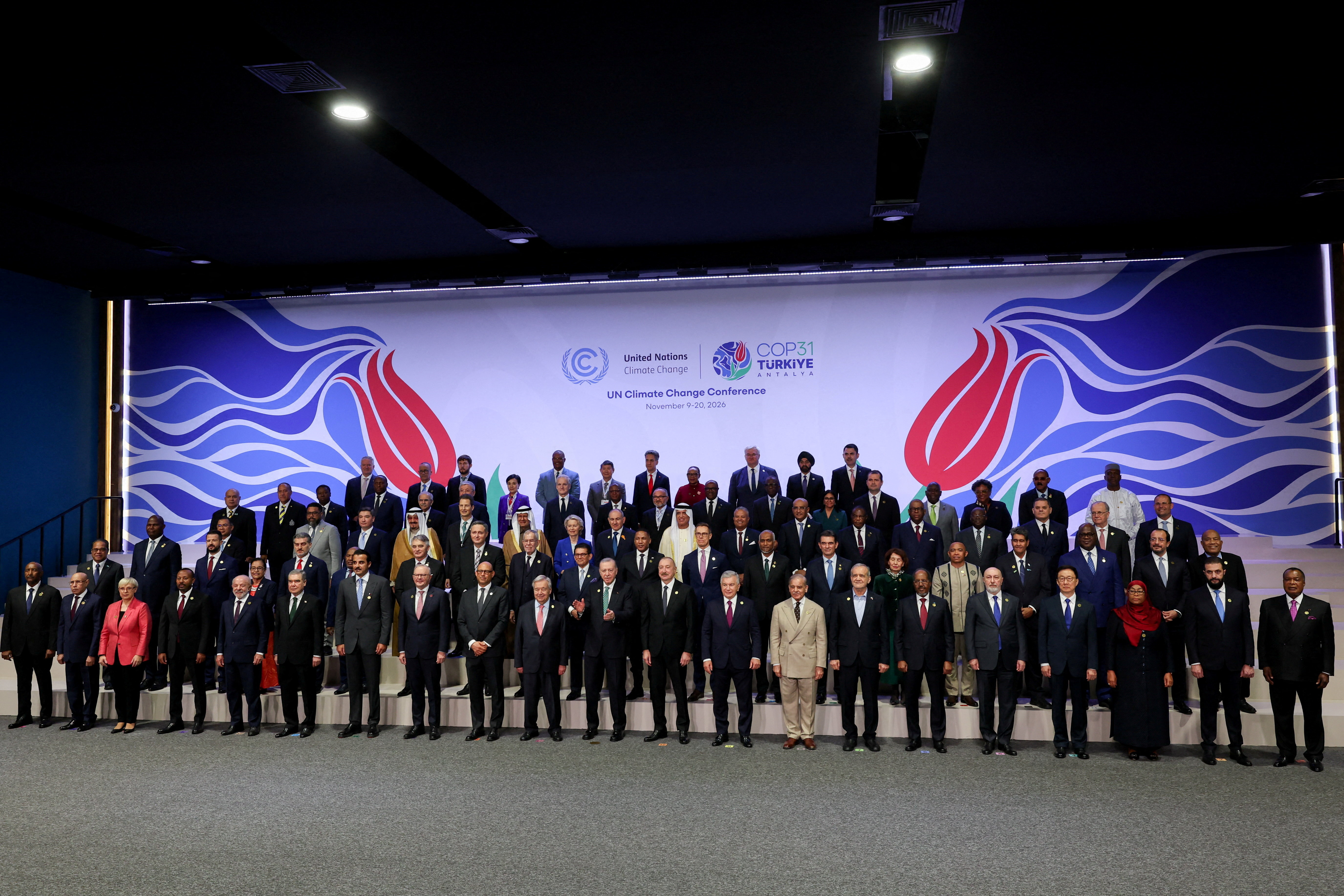
Three days into COP31 in Antalya, the atmosphere is subdued. Implementation, electrification and finance dominate discussions, but the absence of major world leaders and weakening financial commitments raise questions about governments’ priorities.
Is COP31 signalling a realistic approach to climate action, or are countries postponing commitments they cannot afford to deliver? The distinction matters: realism can make climate action achievable, but it can also become a convenient justification for delay. The opening days provide evidence of both.
Missing leaders, changing priorities
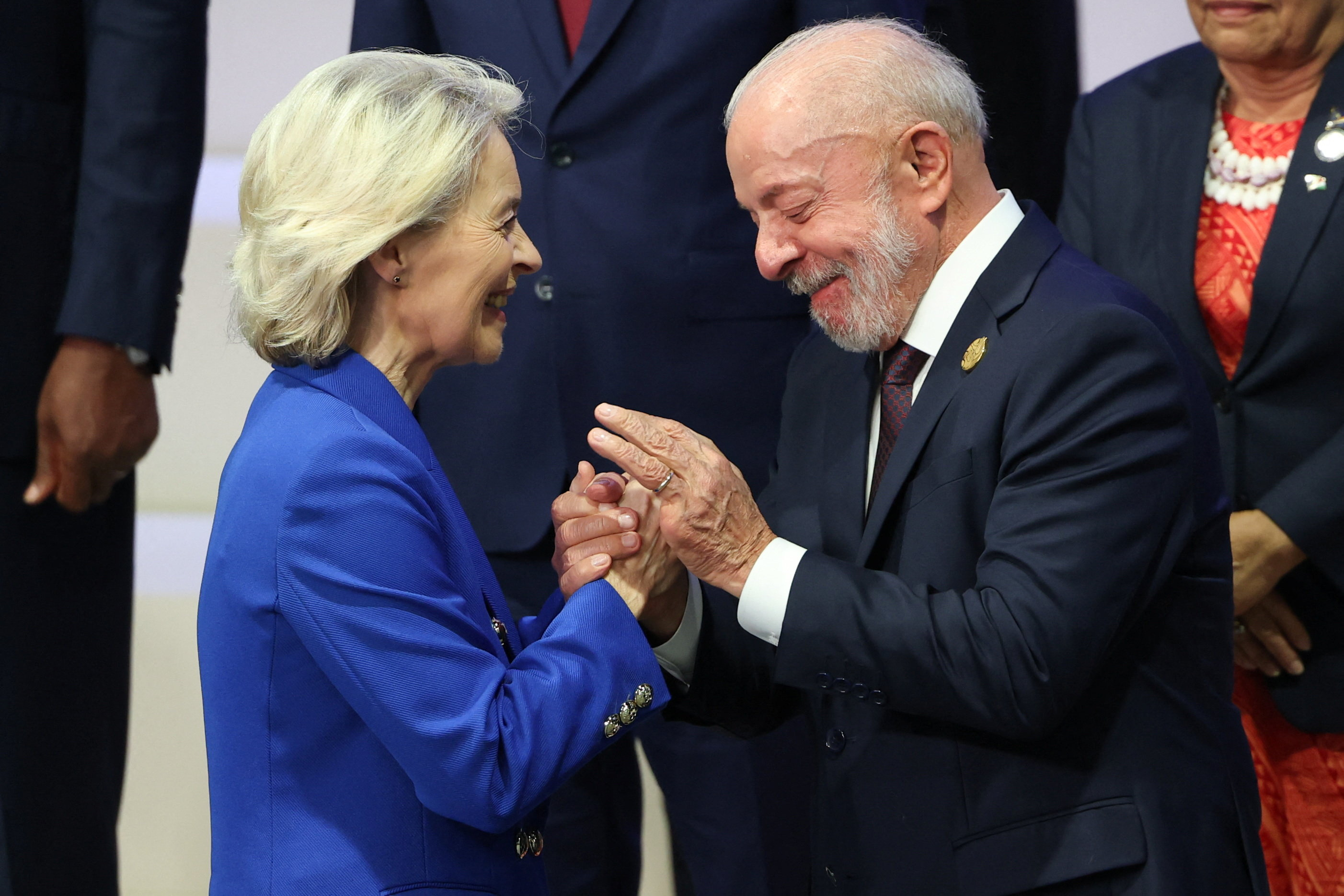
Dozens of world leaders are attending, including Brazilian President Lula da Silva and European Commission President Ursula von der Leyen. President Christodoulides is also attending. Yet significant absences stand out.
President Trump is absent, with no official US administration delegation. China is represented by Vice President Han Zheng rather than President Xi Jinping. India’s Prime Minister Narendra Modi is also absent, alongside several leading European heads of government.
Absence does not mean abandoning climate commitments: countries remain represented by ministers and negotiators. Nevertheless, it reflects competing priorities as governments confront wars, energy insecurity, economic pressures and strained public finances. Climate policy increasingly competes with national economic and geopolitical priorities rather than automatically taking precedence.
The question is not simply whether governments endorse climate objectives, but where those objectives rank among national priorities.
Electrification meets political resistance
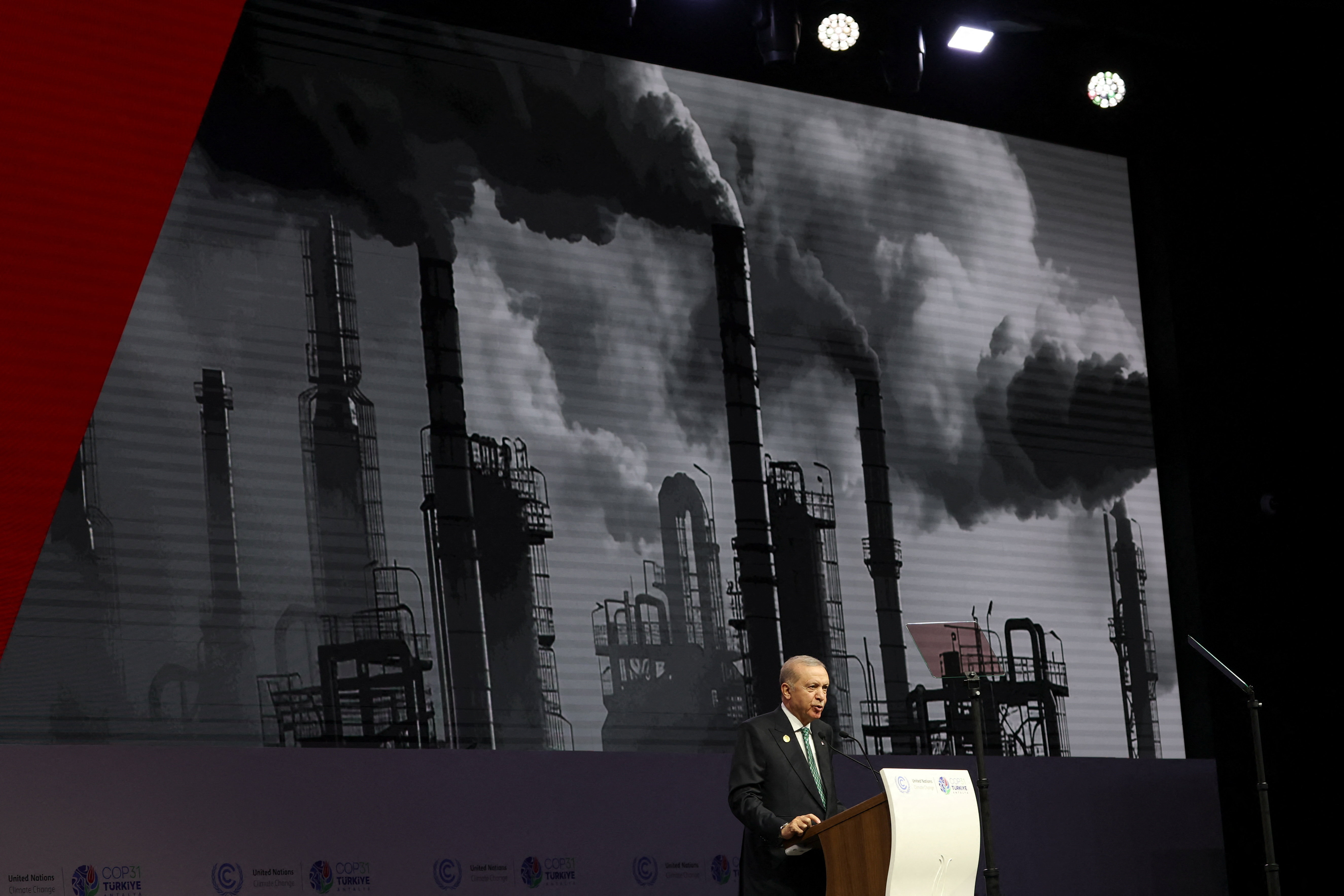
COP31’s flagship 35-by-35 Global Electrification Pledge seeks to increase electricity’s share of global final energy consumption from approximately 23 per cent to 35 per cent by 2035. It offers a practical route towards greater efficiency, reduced dependence on imported fuels and lower emissions.
Yet initial government support has been limited. Germany, Norway, the Netherlands, Kenya and several other countries have endorsed the initiative, but many major economies remain uncommitted.
Disagreements have also emerged over whether additional electricity must come from low-carbon sources. The proposal does not explicitly require this. Critics warn that electrification powered by coal or gas could prolong fossil-fuel dependence. Supporters argue that electrification improves efficiency and creates demand for cleaner electricity.
Both arguments matter. This is where COP31 could demonstrate a genuine shift from headline targets towards practical delivery. Increasing electricity consumption is not synonymous with decarbonisation. Grids, storage, interconnections and flexible generation must expand alongside electrification. Without affordable, reliable and increasingly cleaner electricity, 35-by-35 risks becoming another target without the means to deliver it.
Practical initiatives offer some progress
Tuesday’s ‘Energy Day’ produced more tangible developments. Five countries backed a plan to double the number of homes with rooftop solar worldwide by 2030. This could improve energy access, reduce household bills and strengthen resilience, especially in underserved communities.
The ‘Electrify Now Finance Coalition’ was also launched to mobilise investment for clean electrification. An associated initiative aims to mobilise more than $1.2 billion.
These efforts are small relative to global requirements, but show how targeted cooperation can advance even when broader negotiations stall. Delivery still depends on financing, distribution networks, permitting and skilled workers. Announcing projects is easier than building them.
Fossil-fuel disagreements remain unresolved
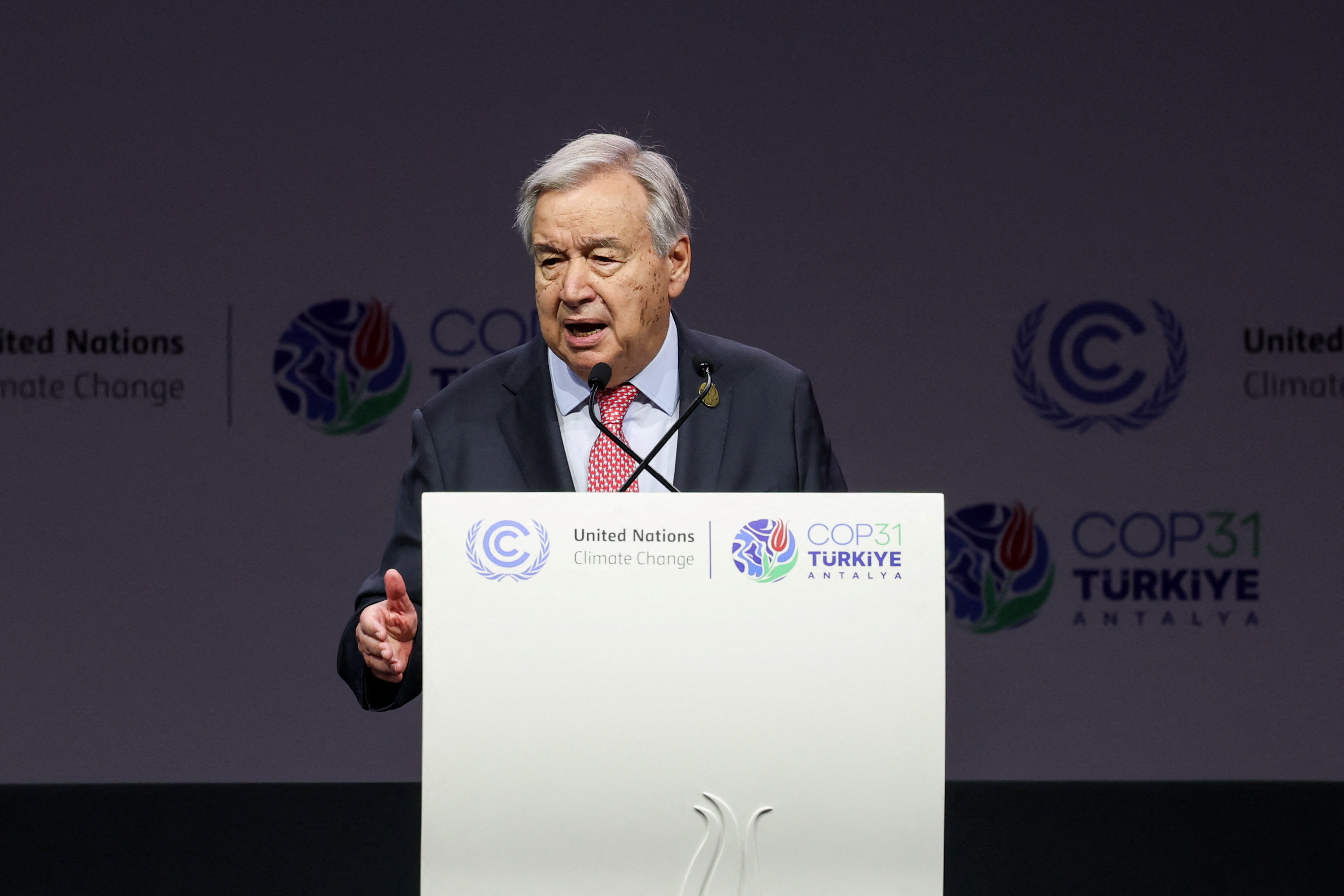
Brazil’s COP30 presidency presented a roadmap for transitioning away from fossil fuels, seeking to turn the COP28 Dubai agreement into practical national plans. UN Secretary-General António Guterres urged governments to establish clearer transition timetables.
Climate activists continue demanding stronger commitments, while governments remain divided over production, energy access and affordability.
Yet oil and natural gas remain important across transport, industry, petrochemicals and energy supply. Aviation, shipping and some industrial processes cannot readily electrify at scale. Replacing fossil fuels requires infrastructure, investment and technologies that are not equally mature in every sector.
Governments cannot withdraw reliable supplies faster than affordable alternatives become available. Otherwise shortages and price volatility could damage economies and erode public support. Nor should energy-security arguments justify indefinite fossil-fuel dependence.
The Middle East crisis has sharpened these differences. Import-dependent countries worry about shortages and price volatility; exporters face questions about future revenues and economic diversification. A credible transition must address both realities rather than impose identical timetables.
The task is to sequence change credibly: accelerate competitive alternatives, maintain resilience and avoid unnecessary costs.
Climate finance reveals the greatest contradiction
Perhaps the most consequential development is the decline in new public climate-finance pledges. Announced multi-year commitments by developed countries have fallen by approximately 70 per cent, from around $40 billion annually in previous pledges to $11.7 billion in new ones.
Germany, France and Japan have not announced comparable new multi-year commitments, while none is expected from Washington. The UK is the only major donor to announce a new pledge.
These figures compare pledges, not actual spending; some programmes may continue without new announcements. Nevertheless, they reveal the gulf between international financial ambitions and governments’ willingness to commit resources.
Developing economies need affordable finance for grids, energy access and adaptation. Private capital can support commercially viable investments but cannot replace public money for essential projects without adequate financial returns. Implementation without credible financing risks becoming another promise.
Energy security changes the calculation
Wood Mackenzie’s ‘Energy Transition Outlook 2026–27’ offers a revealing counterpoint. It finds that countries increasingly prioritise energy security and economic growth over climate objectives.
Yet its Energy Security scenario produces a projected warming outcome of 2.5°C, slightly below its 2.6°C central case. Countries seeking to reduce imported-fuel dependence invest more rapidly in domestic renewables, nuclear power and electrification.
These are modelled scenarios, not predictions. They suggest that national self-interest can support emissions reductions, even when climate policy is not the primary motivation. By contrast, a growth-first pathway reliant on fossil fuels produces higher warming.
The Middle East crisis and disruptions around Hormuz have reinforced the appeal of domestic energy, diversified supply and resilient infrastructure. Energy security may become a more powerful driver of investment than international declarations.
The lesson is not that energy security automatically protects the climate. It is that the technologies chosen to deliver security determine whether the transition accelerates or stalls.
Realism or postponement?
COP31’s opening days show both movement and hesitation. Electrification initiatives and project-focused coalitions suggest a shift towards delivery. Limited support for the flagship pledge, unresolved fossil-fuel disagreements, missing leaders and weaker new finance pledges reveal the obstacles.
Realism means acknowledging constraints and directing resources towards achievable results. Postponement means retaining ambitious targets while avoiding the decisions and investments needed to fulfil them.
The summit should be judged by actual financing, completed infrastructure, affordable energy and measurable emissions reductions –not another declaration.
Climate change still demands sustained action. But action must be economically viable, technologically feasible and politically sustainable.
The decisive test is whether governments turn energy security and economic self-interest into practical climate progress – or use them as reasons to delay it. What follows at COP31 will hopefully give the answers.




Click here to change your cookie preferences