
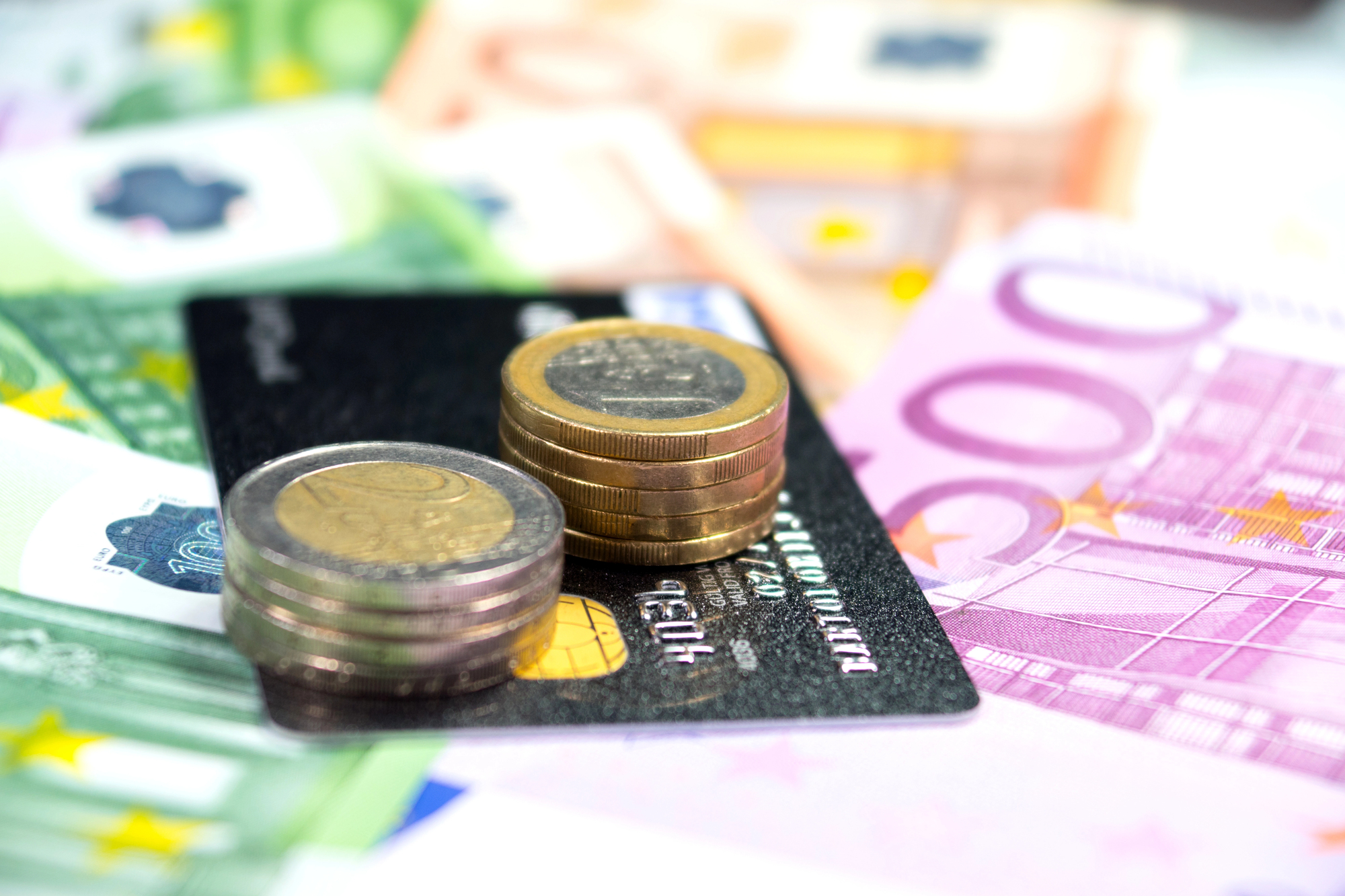
Cyprus uses the euro (€), and visitors can pay by debit or credit card almost everywhere, although carrying a little cash is still advisable. Tipping is appreciated but not compulsory, and visitors are not expected to leave the large gratuities customary in the United States.
For British and American travellers, there is no need to arrive with large amounts of cash. A suitable bank card, some euros for smaller purchases and a basic understanding of local payment habits are usually all that is needed.
Here is what to know about money in Cyprus, from exchanging pounds and dollars to ATM charges, restaurant bills and everyday holiday expenses.
What currency does Cyprus use?
The official currency of Cyprus is the euro (€), which replaced the Cypriot pound on January 1, 2008. Cyprus is a member of the eurozone, so visitors arriving from countries such as Greece, Germany, France or Italy can use the same currency without exchanging money.
Euro banknotes come in denominations of €5, €10, €20, €50, €100 and €200, with €500 notes also remaining legal tender. Coins range from one cent to two euros.
For everyday spending, €5, €10 and €20 notes are particularly useful. Small businesses and taxi drivers may have difficulty providing change for large notes.
This guide covers the Republic of Cyprus. In the Turkish Cypriot-administered north, the Turkish lira is the principal currency, although euros are also accepted by many businesses.
For more information about the currency changeover, visit the Central Bank of Cyprus.
Can you use British pounds (£) or US dollars ($) in Cyprus?
British pounds and US dollars are not normally accepted for everyday purchases in Cyprus. Visitors should use euros, whether paying in cash or by card.
Some tourist-oriented businesses may occasionally accept foreign currency, but this is unusual and the exchange rate offered will most probably be unfavourable.
British visitors should therefore not expect to pay in sterling, even in resorts popular with UK holidaymakers such as Paphos, Protaras and Ayia Napa.
American visitors likewise have no reason to bring dollar banknotes for everyday spending.
The simplest approach is to use a card with reasonable overseas transaction fees and withdraw or exchange a modest amount of euros.
For current exchange rates, consult the European Central Bank or XE currency converter.
Cash or card in Cyprus?
Under the Cyprus Ministry of Finance Decree, a wide range of businesses operating in retail, services, hospitality, entertainment, education, legal, medical, and financial sectors are legally required to accept card payments.
Cash is no longer essential for the majority of your holiday spending. Nevertheless, keeping €20–€30 in small notes and coins is sensible, particularly when travelling outside the main towns.
Hotels, supermarkets, shopping centres, petrol stations and most restaurants accept Visa and Mastercard. Contactless payments are widespread, as are Apple Pay and Google Pay, Revolut wherever compatible terminals are available.
Even small cafés, bakeries and neighbourhood shops increasingly accept cards.
However, cash remains useful in certain situations:
- Traditional village tavernas and very small family-run businesses
- Street markets and roadside fruit stalls
- Some kiosks and small bakeries
- Church donations and small admission contributions
- Certain taxis, particularly those arranged informally
- Small purchases where a payment terminal is temporarily unavailable
Visitors exploring the Troodos mountains or remote villages should carry more cash than those spending their entire holiday in Limassol or Paphos.
One practical point: do not assume every taxi accepts cards. Ask before beginning the journey, especially when taking a taxi from a village or arranging a local transfer.
ATMs in Cyprus: where to withdraw euros
ATMs are widely available across Cyprus, particularly in cities, shopping areas and tourist resorts. Withdrawing euros from a bank-operated ATM is generally preferable to using a standalone machine in a busy tourist area.
Major banking networks include Bank of Cyprus and Eurobank, which absorbed the former Hellenic Bank network. Visitors may still encounter machines displaying older Hellenic Bank branding.
ATM charges depend on the machine operator, the card issuer and the type of account held.
Your home bank may charge a foreign withdrawal fee or a percentage of the amount withdrawn. The ATM operator may also impose a separate charge, which should be displayed before the transaction is completed.
Independent ATMs, including Euronet machines found in some tourist areas, deserve particular attention because their charges or currency-conversion offers can make withdrawals more expensive.
Always choose euros, not pounds or dollars
When withdrawing cash, an ATM may offer to convert the transaction into your home currency.
This is known as dynamic currency conversion.
For example, a British visitor might be asked whether to be charged in euros or pounds.
Choose euros and decline the ATM’s conversion offer. This normally allows your own card provider to handle the conversion, which is often cheaper.
The same advice applies when a restaurant or shop offers to charge a foreign card in pounds or dollars rather than euros.
Where should you exchange money in Cyprus?
Visitors generally obtain better value by arranging euros before travelling or using a card with low foreign transaction fees. Airport exchange counters are convenient but may offer less competitive rates than alternatives.
Both Larnaca and Paphos airports have access to cash withdrawal facilities, so there is usually no need to exchange a large sum immediately after landing.
If you need cash for a taxi or small purchases, withdraw or exchange enough for your immediate requirements and arrange the remainder later.
When comparing exchange services, look at the total number of euros you will receive, not just advertised commission rates.
A service offering zero commission can still be expensive if its exchange rate includes a substantial margin.
For arrival and transport information, see our Cyprus travel guide.
Tipping in Cyprus: how much should you leave?
Tipping in Cyprus is appreciated but not obligatory. Unlike in the United States, customers are not expected to add 15–20 per cent to every restaurant bill, and employees do not generally depend on tips in the same way as American tipped workers.
A small gratuity for good service is customary, particularly in restaurants and tourist establishments.
| Service | Suggested tip |
|---|---|
| Restaurants and tavernas | 5–10% for good service |
| Cafés and bars | Round up or leave €1–€2 |
| Taxis | Round up or add 5–10% |
| Hotel housekeeping | €1–€2 per room per day |
| Hotel porters | €1–€2 per bag |
| Tour guides | €5–€10 per person for a full-day tour |
| Hairdressers and spas | Around 5–10% for good service |
Tipping in restaurants and tavernas
For a €50 restaurant bill, leaving an additional €3–€5 is a reasonable gesture when service has been good.
Check the bill first for any service charge. If one has already been included, there is no need to add another tip.
At traditional tavernas, rounding a €46 bill up to €50 is perfectly acceptable.
Tipping taxi drivers
Taxi drivers do not automatically expect a gratuity, although rounding up is common.
For a €17 journey, paying €20 is generous. For a longer airport transfer, an additional €5 may be appreciated, particularly if the driver assists with luggage.
Tipping in hotels
Leaving €1–€2 per day for housekeeping is a considerate gesture. It is preferable to leave this regularly rather than waiting until the end of a longer stay.
Porters may be given €1–€2 per bag, while a small additional tip is appropriate for particularly helpful service.
Tipping in cafés, bars and other services
There is no need to tip for every coffee or takeaway purchase.
Customers sometimes leave small change or round up the bill, particularly when receiving table service.
For hairdressers, beauty treatments and spa services, around 5–10 per cent is a reasonable reward for good service, but it is not expected.
The general rule in Cyprus is straightforward: tip for good service, not because you feel obliged to.
How much does Cyprus cost?
Cyprus is not necessarily a cheap holiday destination, particularly in popular coastal resorts during the summer. However, everyday expenses can be manageable, especially when eating at local tavernas, using public transport and shopping at supermarkets.
The following figures provide a general guide to typical prices in 2026.
| Item | Typical price |
|---|---|
| Coffee at a café | €2.50–€4.50 |
| Local beer in a bar | €3.50–€5.00 |
| Taverna meal for two | €45–€65 |
| Small bottle of water | €0.50–€1.50 |
| Local bus, single journey | €2.00–€2.70 |
| Taxi from Larnaca airport to Ayia Napa | Around €50–€60 |
Indicative 2026 prices. Actual costs vary by location, season and establishment. Bus fares depend on the district and ticket type; airport taxi fares depend on vehicle size and time of travel.
Visitors will generally pay more for drinks and meals in beachfront establishments and heavily tourist-oriented areas than in neighbourhood cafés or village tavernas.
A traditional souvlaki takeaway can be considerably cheaper than a full restaurant meal, while local bakeries are often a good option for an inexpensive breakfast or lunch.
For a more economical holiday, staying in accommodation with cooking facilities and buying groceries locally can make a noticeable difference.
Practical money tips for visiting Cyprus
A little preparation can help visitors avoid unnecessary bank charges and payment difficulties.
- Check with your bank before travelling. Make sure your card works overseas, check withdrawal limits and confirm any foreign transaction fees. Some banks no longer require travel notifications.
- Carry a backup card. Ideally, keep it separately from your main wallet in case of loss, theft or technical problems.
- Keep smaller euro notes. Five-, ten- and twenty-euro notes are useful for kiosks, buses, taxis and smaller establishments.
- Pay in euros. When a card terminal offers a choice between euros and your home currency, select euros to avoid potentially unfavourable conversion rates.
- Remember VAT. Cyprus has a standard VAT rate of 19 per cent, although reduced rates apply to certain goods and services, including restaurant services. Consumer prices generally include applicable VAT. Government of Cyprus+1
- Do not expect to haggle. Prices are generally fixed in restaurants and supermarkets. Some negotiation may be possible at markets or when purchasing certain goods from independent traders.
Visitors should also keep a small emergency cash reserve, particularly if planning to explore rural Cyprus or travel late at night.
Frequently asked questions about money in Cyprus
What is the currency in Cyprus?
The official currency of the Republic of Cyprus is the euro (€). It was introduced on January 1, 2008, replacing the Cypriot pound. Visitors from the UK, US and other countries should use euros for cash purchases, although international debit and credit cards are widely accepted.
Can I use British pounds in Cyprus?
British pounds are not normally accepted in Cyprus. Although a few tourist businesses might accept sterling, visitors should not rely on this, and the exchange rate may be poor. British travellers are better off paying in euros using a suitable card or exchanging pounds for euros.
Is Cyprus cash or card?
Cyprus is largely card-friendly, with contactless payments widely accepted in hotels, restaurants, supermarkets and shops. However, cash remains useful for some taxis, markets, small businesses and rural tavernas. Carrying €20–€30 in smaller notes is generally sufficient for everyday situations where card payments are unavailable.
Do you tip in Cyprus?
Tipping is customary for good service but is not compulsory in Cyprus. Restaurant staff, taxi drivers and hotel employees appreciate gratuities, although customers are not expected to tip at American levels. Leaving a modest amount is considered polite, particularly when service has been attentive or especially helpful.
How much do you tip in Cyprus?
In restaurants, 5–10 per cent is a reasonable tip for good service, provided a service charge has not already been included. Taxi fares can be rounded up, while hotel porters and housekeeping staff may receive €1–€2. For cafés and bars, small change is generally sufficient.
Are there ATM fees in Cyprus?
ATM withdrawals may involve charges from your home bank, the local ATM operator or both. Fees depend on your card and the machine used. Bank-operated ATMs are generally a sensible first choice. Always review displayed charges and decline offers to convert withdrawals into pounds or dollars.
Is Cyprus expensive?
Cyprus can be moderately expensive, particularly in popular coastal resorts during peak summer months. Restaurant meals, drinks and accommodation vary considerably by location. Travellers can reduce costs by using public buses, choosing local tavernas, shopping at supermarkets and visiting outside the busiest holiday periods.
The bottom line: what money should you bring to Cyprus?
For most visitors, the best approach is straightforward: bring a debit or credit card suitable for international use, keep a small amount of cash in euros and avoid unnecessary currency conversions.
There is no need to arrive with hundreds of euros in banknotes, and British pounds or US dollars offer little practical advantage once on the island.
Cyprus is an easy destination for card payments, but a few small notes can still make life easier, particularly in villages, markets and taxis.
For further advice on getting around, accommodation, transport and planning your stay, read the Cyprus Mail’s complete Cyprus travel guide.




Click here to change your cookie preferences