
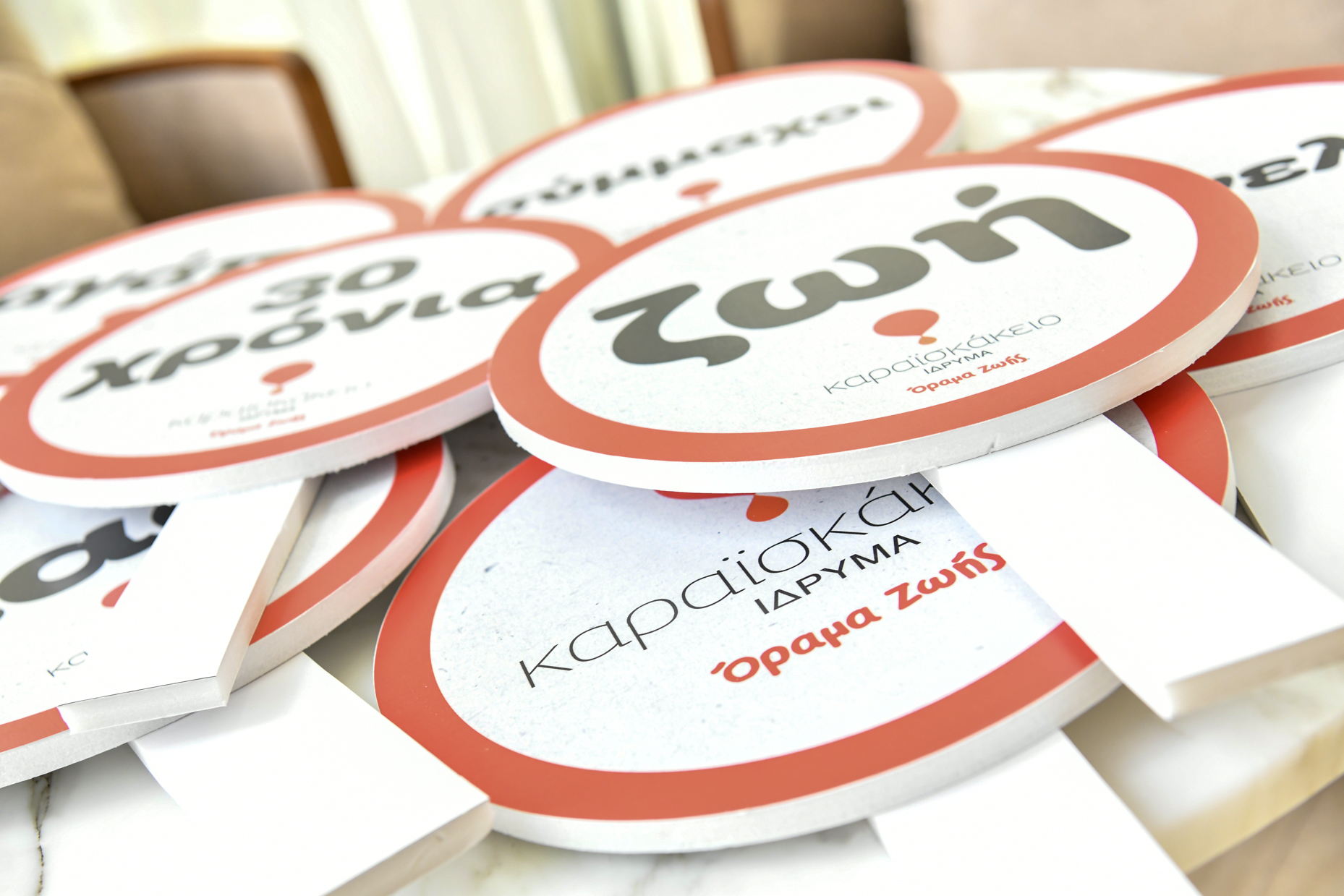
One thousand transplant donations across 36 countries have been facilitated by the Karaiskakio Foundation, it said on Monday as it marks its 30th anniversary.
“For 30 years, the Karaiskakio Foundation has been moving forward with a steadfast vision,” the organisation said. “To create an organisation that combines high-level scientific services, a human approach and a profound social impact.”
Far from merely providing medical services, the foundation embodies a comprehensive approach that integrates reliability, innovation and social responsibility into its daily operations. These principles have become the cornerstone of its identity.
“The first pillar is the donor registry, on the foundation of which the entire existence of the foundation was built,” it said.
It is here that the foundation is on the verge of reaching its 1,000-transplant milestone, an achievement measured, the organisation said, “not in numbers, but in lives saved and hope restored to families.”
Beyond its humanitarian achievements, the registry also provides a robust scientific platform, fuelling research and fostering international collaboration.
In the diagnostic sector, the foundation’s laboratories cover every specialised diagnostic need related to haemato-oncology, offering modern diagnostic services to children and adults with cancer.
Karaiskakio operates as a leading centre in molecular oncology and, it highlighted, is now known internationally as one of the most advanced and comprehensive diagnostic facilities.
Its services support the treating physician with clear, reliable and comprehensive laboratory data, making the foundation a reference point in Cyprus and abroad.
With organised support for paediatric oncology and full molecular coverage of cancer patients, Karaiskakio offers continuity of care and support to families struggling with difficult diagnoses.
At the same time, the foundation is expanding its work in the field of rare diseases. Its dedicated clinic offers comprehensive support to families of patients with a wide range of rare conditions.
“Families with rare diseases do not need pity, but equal opportunities, modern support and social respect,” the foundation stressed.
The House of Rare is a landmark project already underway which is designed to provide multidisciplinary care for more than 40,000 families in Cyprus affected by rare diseases.
“It is not just new infrastructure, but a social and scientific commitment,” the foundation said. “A promise that no one is left behind, and that these families deserve a modern, supportive, and dignified environment at the heart of society’s attention.”
Research forms another core pillar of the foundation’s identity. A team of dedicated scientists is focused on innovative approaches, with four patents already filed for new cancer therapies.
The ultimate goal is the creation of a Comprehensive Cyprus Therapies Research Centre, which will evolve into a clinical centre offering advanced, affordable, and effective cell therapies for leukaemia and other cancers.
“In this way, Cyprus can emerge as an international reference point in the field of translational medicine,” the foundation notes.




Click here to change your cookie preferences