
Cyprus has introduced intensified measures to contain an outbreak of foot-and-mouth disease in the north, including disinfection of vehicles at crossing points into the government-controlled areas.
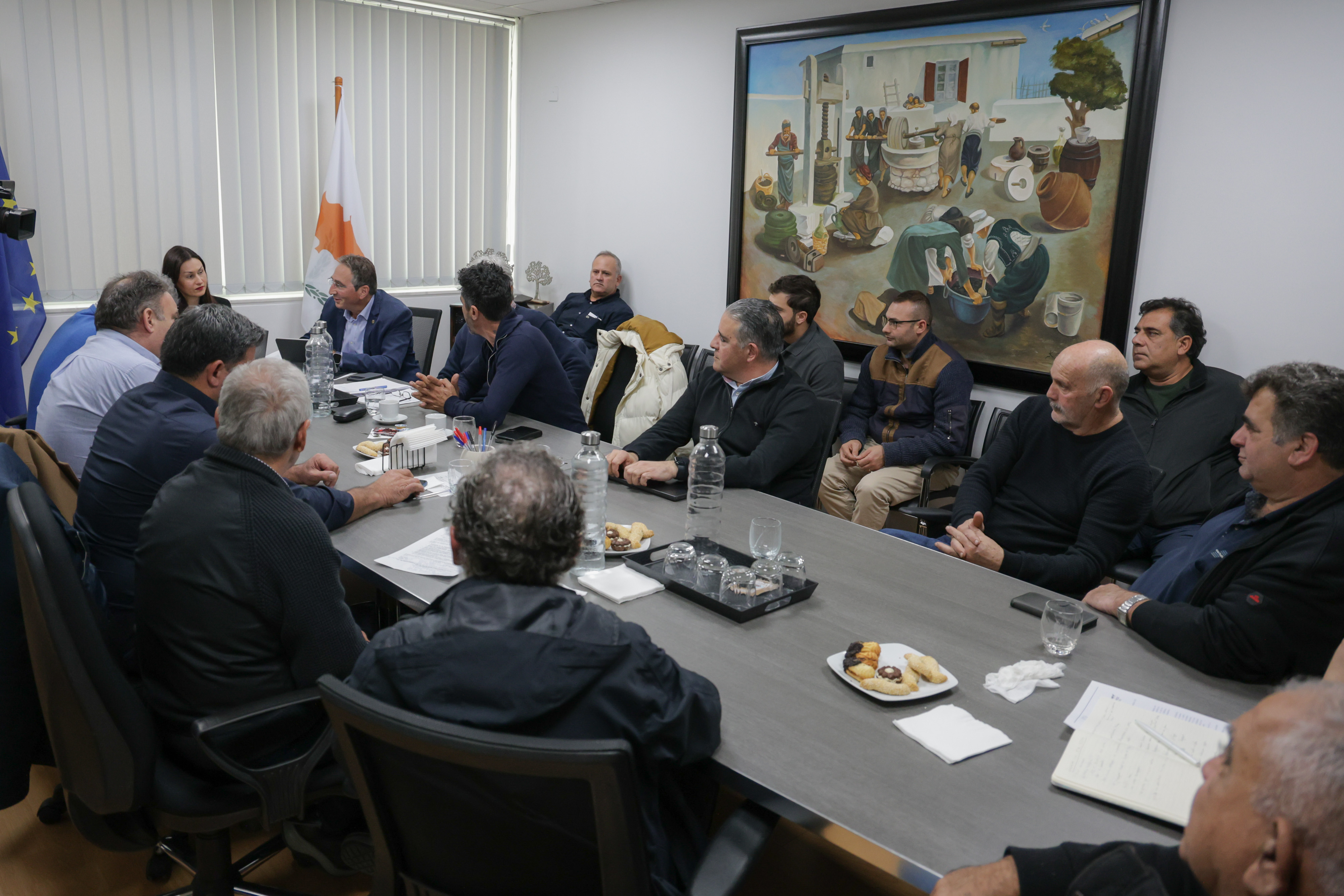
The decision was made on Monday following a meeting chaired by Agriculture Minister, Maria Panayiotou, with participation from veterinary officials, law enforcement and livestock representatives.
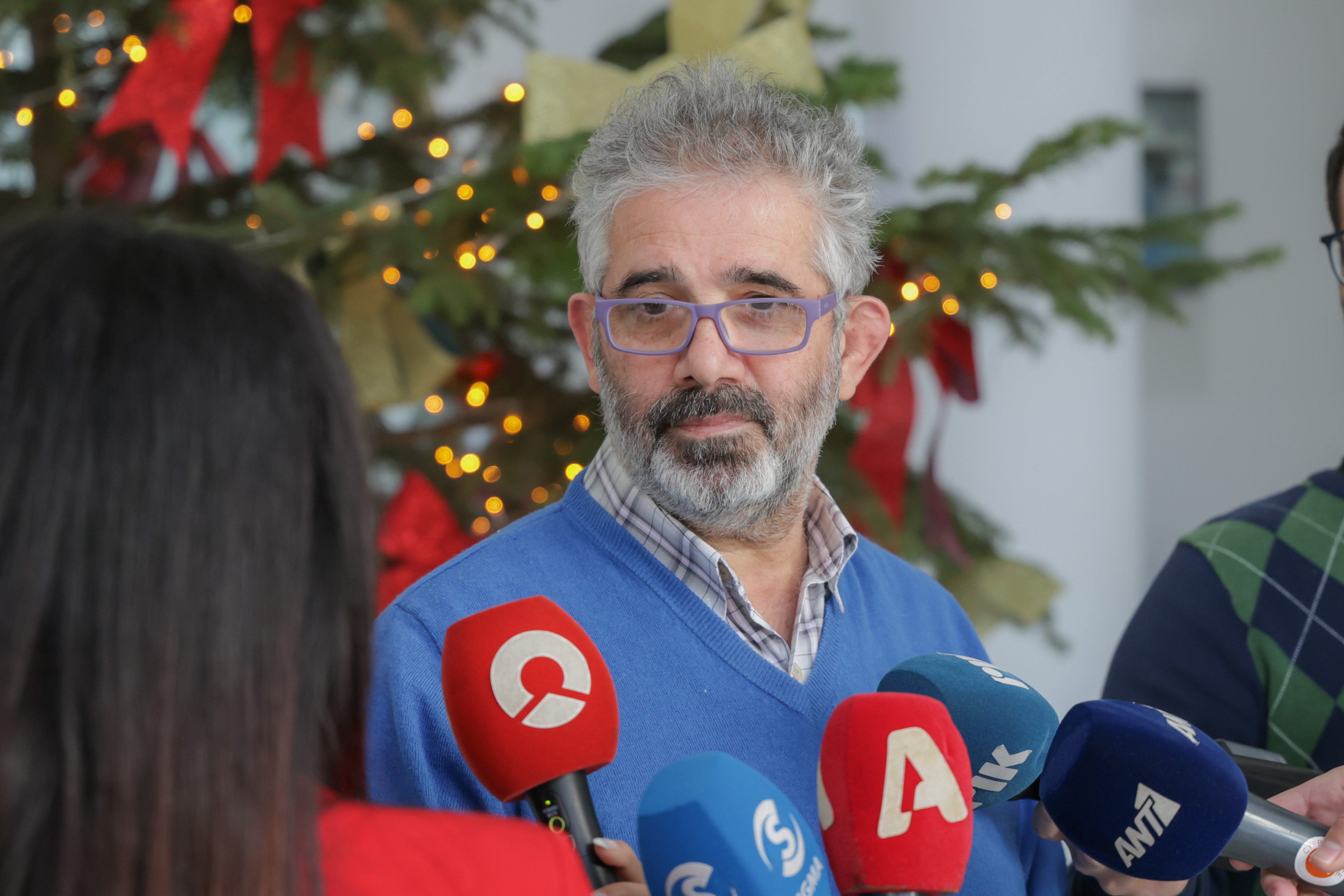
Veterinary services director, Christodoulos Pipis, said additional measures will focus on farms along the green line, where surveillance and biosecurity controls have been strengthened.
He confirmed that veterinary services staff are now monitoring livestock farms more rigorously and coordinating with the British Bases, police, army and farmers’ associations to prevent any illegal activity or disease transmission.
Farmers will receive guidance on creating disinfection zones in livestock areas.
Pipis also confirmed that communication has been established with Australian authorities to ensure halloumi exports in transit are not disrupted.
A committee, comprising of veterinary services officials and representatives from animal breeders, as well as cheesemakers, will oversee continuous monitoring and coordinated action if necessary.
Pipis emphasised that the disease affects only cloven-hoofed animals such as cows, sheep, goats and pigs.
Though highly contagious amongst animals, the disease poses no risk to humans.
“It does not infect any other species and is of no significance to public health,” he insisted.
The outbreak in the north was first detected at a farm in Ayios Sergios in the Famagusta district.
Affected animals were quarantined, vaccinated and the premises disinfected.
A further four cases were reported in Lapithos, prompting additional quarantine measures.
Authorities in the north reported that over 45,000 animals were vaccinated between 19 and December 27, prioritising high-risk areas and testing livestock via blood samples and laboratory analysis.
Experts from the European Commission’s veterinary emergency team visited Cyprus to assess the outbreak and review containment measures.
Pipis said the EU experts confirmed that the Republic’s veterinary services had managed the situation correctly and highlighted the importance of focusing on farms in government-controlled areas along the green line.
No outbreaks have been confirmed south of the buffer zone or in the British Bases.
The British have since implemented precautionary disinfection stations at the Pergamos and Strovilia crossing points.
Pipis clarified that no country other than Australia has imposed trade restrictions on Cyprus due to this outbreak.
Authorities remain in contact with the Directorate-General for Health of the European Commission, the World Organisation for Animal Health and the FAO.
Foot-and-mouth disease primarily affects livestock productivity, causing weight loss and reduced milk and meat yields, but infected animals typically recover.





Click here to change your cookie preferences