
A package of emergency water-saving measures aimed at reducing demand by 10 per cent was approved by Larnaca municipality on Thursday following an extraordinary meeting of the district’s board of directors.
The measures are intended to prevent water cuts by ensuring that available reserves are sufficient to meet demand, especially during the summer months when consumption rises sharply.
In a statement, the Larnaca water authority said that, since assuming responsibility for the networks on July 1, 2024, it has already achieved a significant reduction in water losses through organised and systematic efforts.
Central to the plan is an intensified programme to repair damage across the water supply network, including the immediate fixing of leaks.
As part of demand management, water supply will be cut to green areas and private plots where water is used for irrigation purposes.
Boreholes will also be incorporated into the network where this is technically feasible, in an effort to supplement available resources.
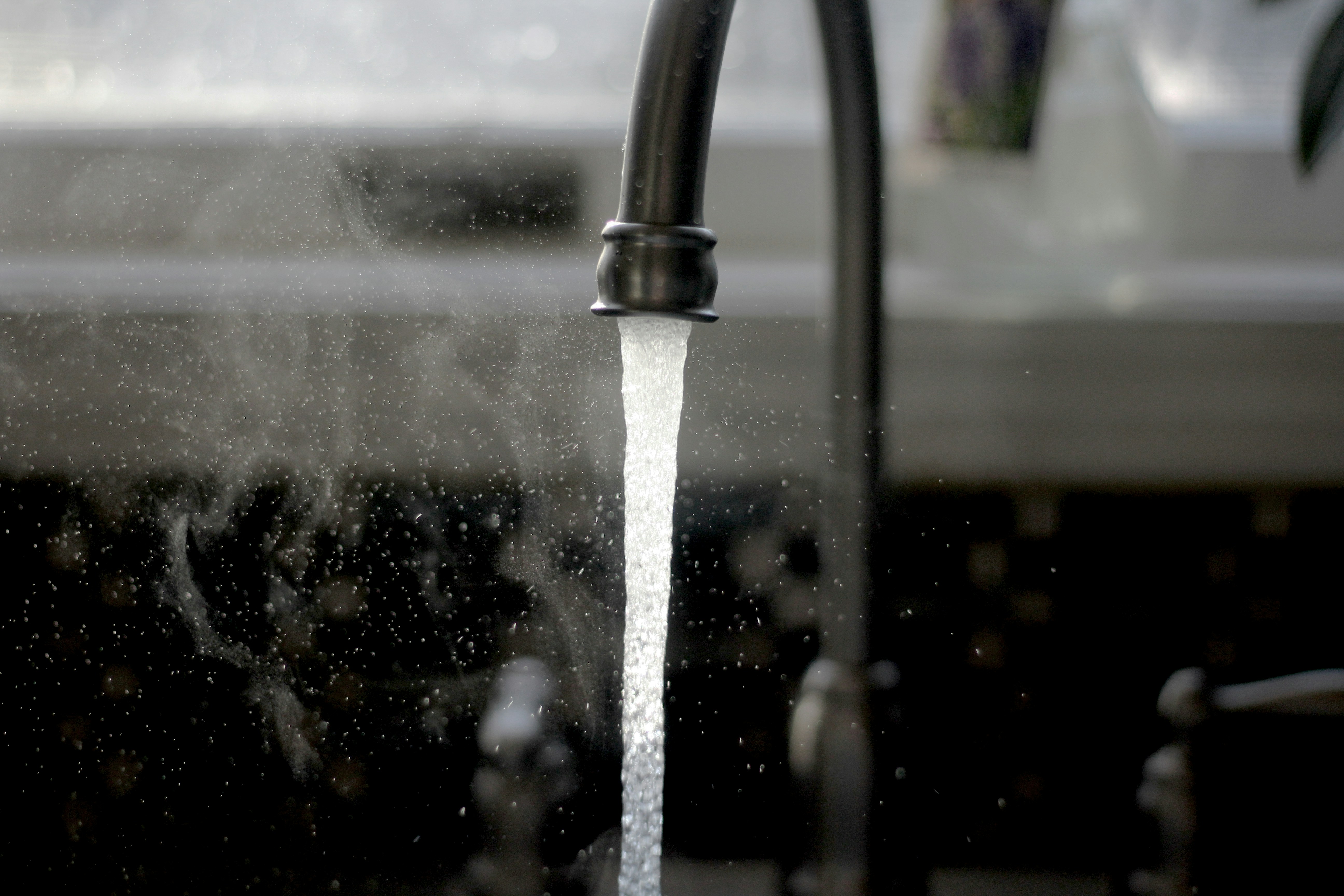
Consumers will be offered water efficient nozzles for installation on taps, in cooperation with the water development department (WDD), with officials estimating that these devices can reduce household consumption by up to 40 per cent.
At the same time, controls against the use of water with a hose will be intensified under the special measures covered in the water saving law.
Authorised teams from the municipal water authority and police will carry out organised inspections throughout the district, focusing on the washing of pavements, terraces, and cars.
The authorities also plan to strengthen public awareness campaigns on rational water use, including guidance on proper practices.
In addition, an information brochure will be sent to all consumers reminding them of their obligation to maintain a water storage tank with a minimum capacity of 800 litres and to ensure that pumping systems are operational in apartment buildings.
The water authority stressed that collective cooperation is essential to avoid future water cuts and to manage the island’s limited water resources during an increasingly challenging period.





Click here to change your cookie preferences