
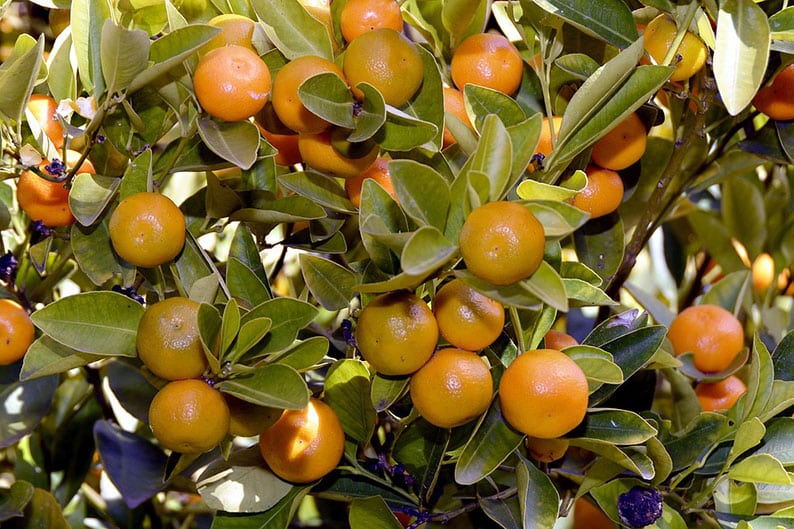
Severe reductions in water supply to agriculture will have devastating consequences for farmers and consumers alike, agricultural association president Kyriakos Kailas cautioned on Saturday.
Kailas described the scale of the cuts as “catastrophic”, questioning how farmers are expected to survive amid deepening water scarcity.
“With water cuts, those farmers who have boreholes will produce very little, and what they do produce will reach consumers at much higher prices because the cost will be enormous,” he said.
Under the revised plan presented at a recent meeting at the agriculture ministry, household water supply will be cut by 10 per cent and agricultural supply by 30 per cent, after an initial proposal of 5 per cent and 35 per cent respectively drew objections from farming organisations.
Kailas lamented that the adjustment offered little relief.
“The direction may be correct, but these measures should have been taken ten years ago,” he said.
He warned that reduced irrigation places crops at risk, including fruit and olive trees.
“If water is not given to permanent crops, they will be irreversibly ruined.”
Kailas also raised concerns over animal feed, stressing that farmers are struggling to produce roughage needed for livestock.
“Fifty per cent of feed must come from Cypriot production to keep PDO halloumi exports legal. Without water, this is impossible,” he said.
He criticised the handling of recycled water, pointing to what he described as serious miscalculations by the water development department (WDD).
As an example, he cited the Tersefanou dam, completed two years ago without provision for a pipeline from the Larnaca sewage system.
“Even today, only three million cubic metres out of six million produced by the Larnaca wastewater treatment plant reach farmers. The rest goes to the sea,” he decried.
According to Kailas, farmers near treatment plants have proposed transporting recycled water at their own expense if pressure is increased.
“This water exists, but it is not reaching the fields.”
He also warned of mounting financial pressure on farmers who borrowed to stay in business.
“Banks are asking for their money back, but farmers have no income,” he said, arguing that large scale desalination is now unavoidable.
“Modern plants can produce 100,000 cubic metres a day. This is the only way out.”
Comparing Cyprus to Israel, Kailas said desalinated water costs remain prohibitively high.
“In Israel water costs around 50 cents per cubic metre. In Cyprus farmers pay up to two euros. If we reached Israeli levels, food would be cheaper for consumers,” he said.
Kailas urged households to take the crisis seriously.
“People see water running from the tap and think there is no problem. After the occupation, this is the second biggest issue facing Cyprus,” he said.
He also criticised the decision to impose retroactive charges on borehole water use dating back to 2017.
“You cannot fight the farmer every day. This is the worst possible move,” he insisted, arguing it contradicts stated goals of boosting agricultural exports.
Despite recent rainfall, Kailas admitted that reservoir levels remain critically low at around 10 per cent, compared with over 20 per cent at the same time last year.
“The rain helped some crops, but it changes nothing overall,” he said.
Grain producers, he added, face additional problems, including delayed compensation and land ownership disputes.
“Many have received only 60 per cent of what was expected. We do not know how many people will stay in the primary sector,” he said.
“The situation in the water sector is tragic, even more difficult days are coming, and everyone must rethink how they use water.”





Click here to change your cookie preferences