
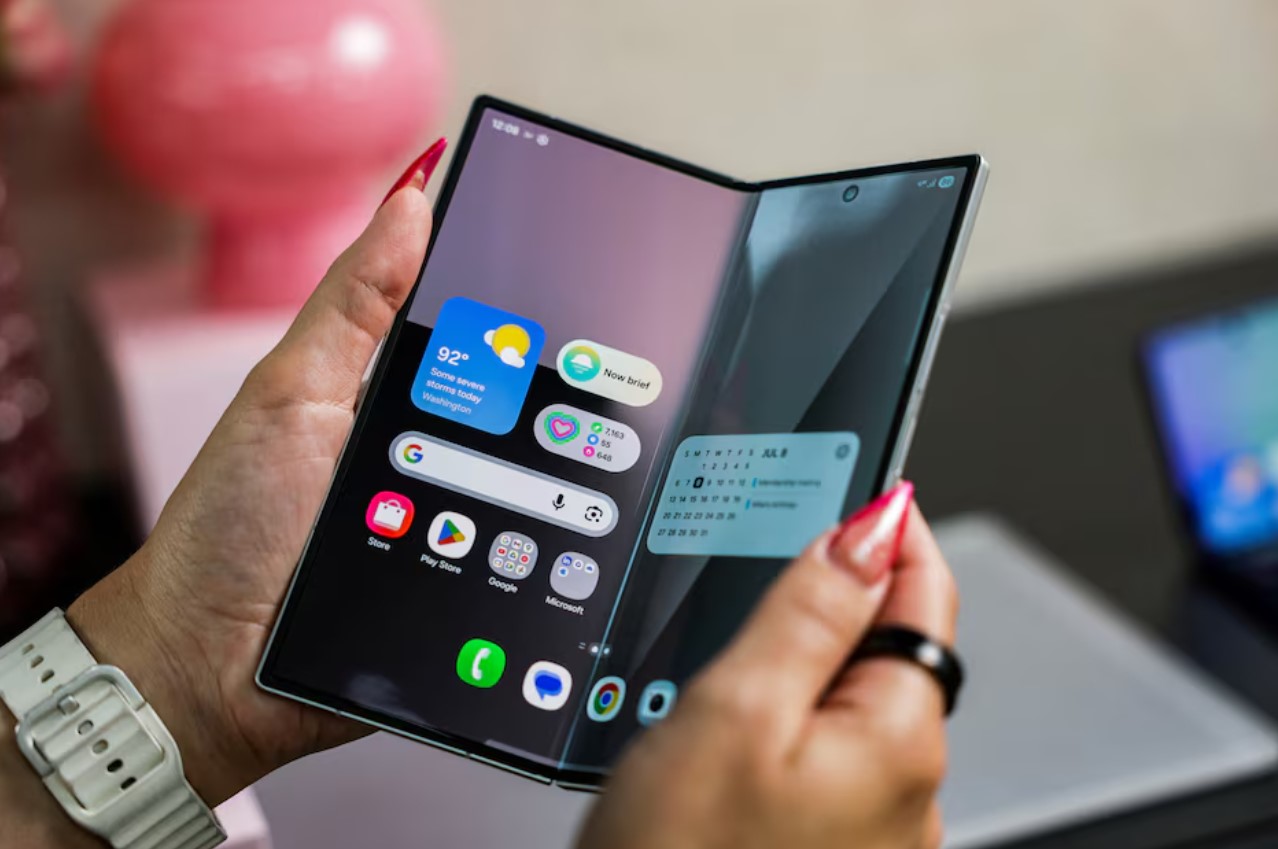
Europe’s smartphone market recorded modest growth in the first quarter of 2026, highlighting resilient demand despite rising supply-side pressures, according to market research firm Omdia.
The report showed that smartphone shipments in Europe excluding Russia increased by 2 per cent year-on-year, reaching 33.0 million units in 1Q26, supported by healthy end-user demand and channel frontloading.
At the same time, the analysis pointed to growing supply-side costs and increasing risks of availability bottlenecks, which could weigh on the market in the coming months.
Among vendors, Samsung retained its position as Europe’s largest smartphone supplier, with shipments rising 3 per cent to 12.6 million units.
This performance was driven by effective discounting strategies, particularly for the Galaxy A16 4G, which helped offset delays in the launch of newer flagship and mid-range models.
Apple recorded stronger growth, with iPhone shipments rising 9 per cent to 8.8 million units, supported by robust demand for the iPhone 17 series and broader mid-range coverage.
Notably, Apple achieved this growth despite offering fewer and smaller discounts, reflecting continued strength in its premium positioning.
Xiaomi remained in third place, although shipments declined 15 per cent to 4.5 million units, as the company was more exposed to supply-side disruptions.
However, Xiaomi’s average selling price increased by 21 per cent year-on-year, driven by strong performance in its premium device segments, particularly in major European markets such as France, Germany and Spain.
Motorola posted significant gains, with shipments rising 17 per cent to 1.9 million units, supported by rapid expansion in Spain and Portugal.
OPPO also recorded growth of 9 per cent to 1.3 million units, helped by its return to the French market and expansion in eastern Europe.
The company is currently undergoing portfolio restructuring, integrating brands such as realme and OnePlus in a bid to strengthen its European footprint.
Meanwhile, HONOR emerged as the fastest-growing major vendor, with shipments rising more than 60 per cent year-on-year, supported by expansion into lower price tiers.
“Demand remains healthy in Europe’s smartphone market as shipments were boosted by the ongoing replacement wave alongside channel partners expanding their inventories,” said Runar Bjorhovde, principal analyst at Omdia.
He explained that channel dynamics are playing a key role, particularly in a market where the top three vendors control nearly 80 per cent of market share.
“Even though some price hikes have occurred, combined with fewer and lower discounts than in previous years, vendors and channel partners remain far more concerned about what is to come in 2Q26,” he added.
The report also highlighted a sharp rise in average selling prices, which reached a record €580 in the first quarter of 2026.
This increase was largely attributed to reduced availability of lower-cost devices, with smartphones priced below €200 accounting for just 25 per cent of total shipments, an all-time low.
“Focus from both vendors and channel partners has shifted from volume to value to deliver results and operational sustainability,” Bjorhovde said.
He noted that many manufacturers are moving upmarket, targeting less price-sensitive consumers and those more willing to upgrade their devices.
Despite the positive start to the year, the outlook remains cautious, with concerns centred on supply chain constraints, particularly in memory components.
“The first quarter of 2026 delivered beyond expectations, but the outlook remains bearish as the rapidly escalating memory bottleneck worsens,” Bjorhovde said.
Omdia forecasts that smartphone shipments in Europe will decline by 12 per cent in 2026, with the bulk of the contraction expected in the second half of the year.
The report added that inventory levels are likely to remain elevated in the near term, as companies seek to hedge against anticipated price increases.
However, a market correction is expected in the medium term, as stabilising component costs encourage vendors and distributors to reduce stock levels.
“Both vendors and channel partners need to remain highly agile within the evolving market conditions but must ensure that their focus remains upon attracting end-buyers and strengthening their brands for long-term success,” Bjorhovde concluded.





Click here to change your cookie preferences