
Shipments of small-sized automotive AMOLED displays measuring under 5 inches are forecast to reach 1.5 million units by 2030, representing a growth of 541 per cent compared to 2025, according to research firm Omdia.
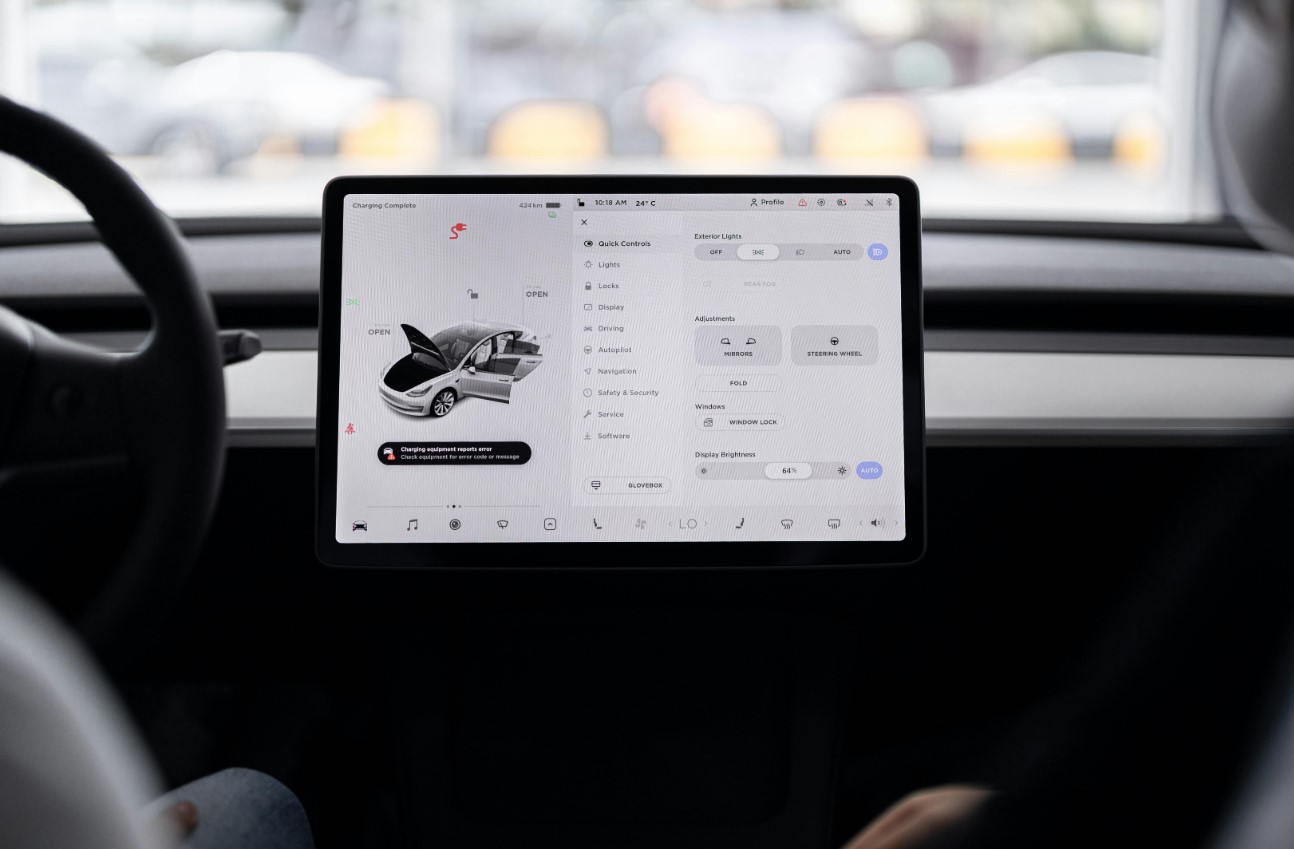
As vehicle electronic architectures undergo significant changes, traditional small control screens are being replaced by centralised large displays.
Demand for smaller screens is shifting focus toward emotional value, intelligent interaction, and differentiated cockpit aesthetics.
Technologically, these emerging displays are predominantly adopting AMOLED due to requirements for high pixel density, fast response times, high contrast, and true black performance.
These features are essential to support animated user interfaces, artificial intelligence expressions, and detailed graphics.
Low power consumption for always-on functions and thinner, more flexible form factors are becoming critical features for modern vehicles.
This makes AMOLED the preferred solution for small-sized in-cabin interaction systems, such as screens for intelligent assistants.
At the 2026 Beijing Auto Show, the Chinese new energy vehicle brand AITO unveiled an updated version of its M9 model, which introduces a new star ring island cockpit module.
The system upgrades the previous centre dashboard acoustic component into a screen-integrated structure that embeds a 1.73-inch AMOLED display supplied by Visionox.
With a mechanical flip design, it can switch into a circular interface supporting dynamic content such as artificial intelligence assistant visuals, digital pets, and interactive watch-style themes.
This development marks a potential mass production milestone for Visionox in the automotive display market.
Beyond the AITO M9, other manufacturers are expanding their use of small-screen OLED technology to enhance the driver experience.
For instance, the NIO NOMI features a 2.18-inch OLED system, while the new electric vehicle brand jointly developed by Audi and SAIC Motor utilises a 4.3-inch curved OLED artificial intelligence display.
Furthermore, the AMG performance steering wheel features a dual 0.98-inch OLED, which further demonstrates the expansion of small-screen applications in performance-oriented cockpits.
Industry experts have noted that supply chain dynamics are playing a significant role in how market share is allocated among manufacturers.
From a supply chain perspective, automotive OLED volumes remain limited and generation six fabrication plants are less efficient for small-sized cutting, giving generation 5.5 and pilot lines a relative advantage, said Wray Wang, a senior analyst at Omdia.
Korean panel makers tend to focus on larger or higher-utilisation products, while Chinese suppliers are increasingly leveraging small-sized automotive OLED projects to expand share and deepen original equipment manufacturer cooperation, the senior analyst at Omdia added.
This strategic shift by Chinese suppliers reflects a broader trend in the industry as companies seek to capitalise on the demand for advanced vehicle cockpits, the company explained.
As manufacturers continue to prioritise innovative interaction systems, the integration of flexible OLED displays is expected to become standard in premium vehicles.
The rise of these intelligent cockpits indicates that the automotive industry is placing a higher premium on digital aesthetics.
These developments highlight how display technology evolution is directly impacting the future design of car interiors.
Ultimately, the sector is moving towards a future where personalised in-cabin experiences are powered by cutting-edge visual technology.





Click here to change your cookie preferences