
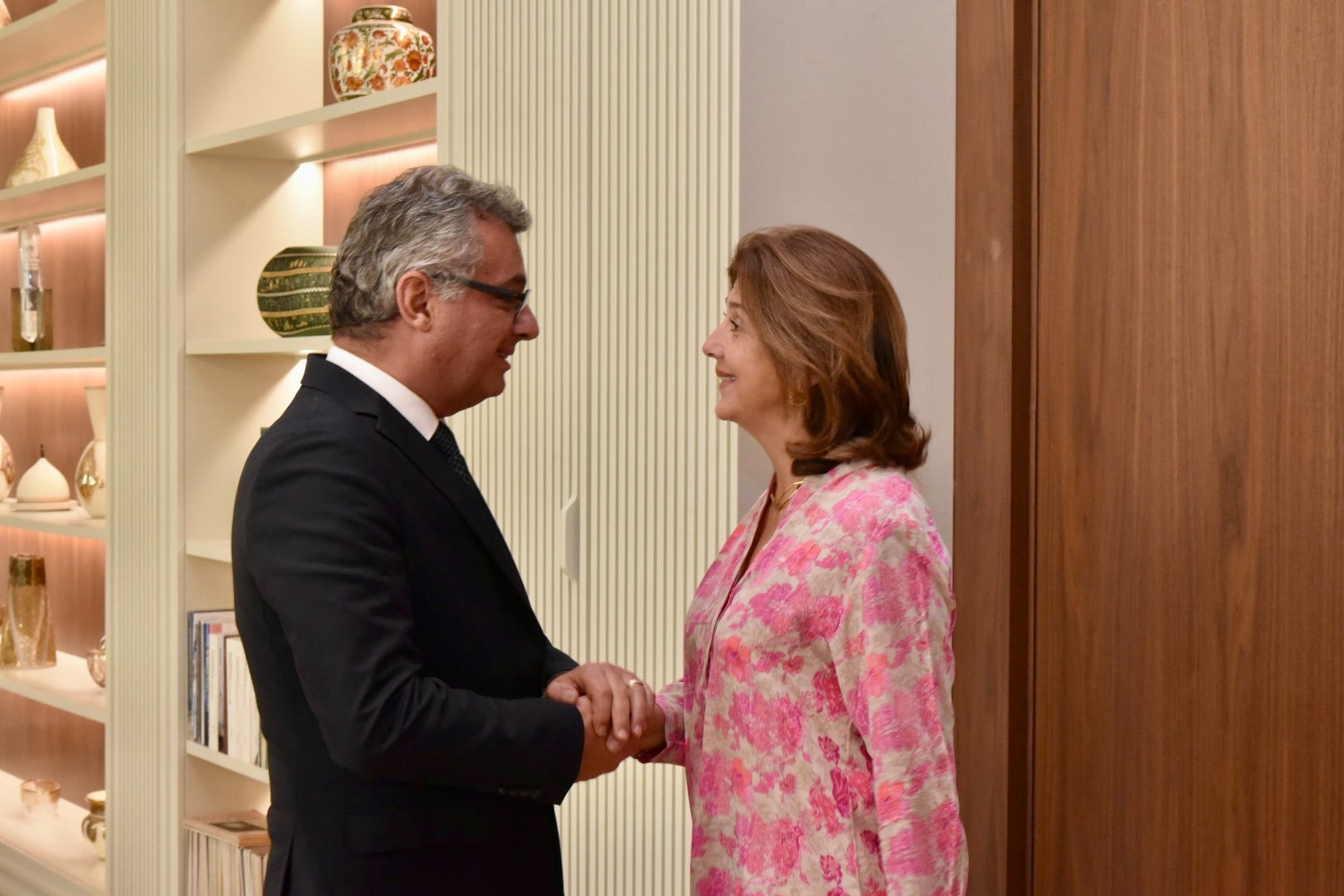
Turkish Cypriot leader Tufan Erhurman has called for the objectives and content of a possible expanded 5+1 meeting on the Cyprus issue to be clearly defined in advance, saying the process must be properly prepared if it is to produce a meaningful outcome.
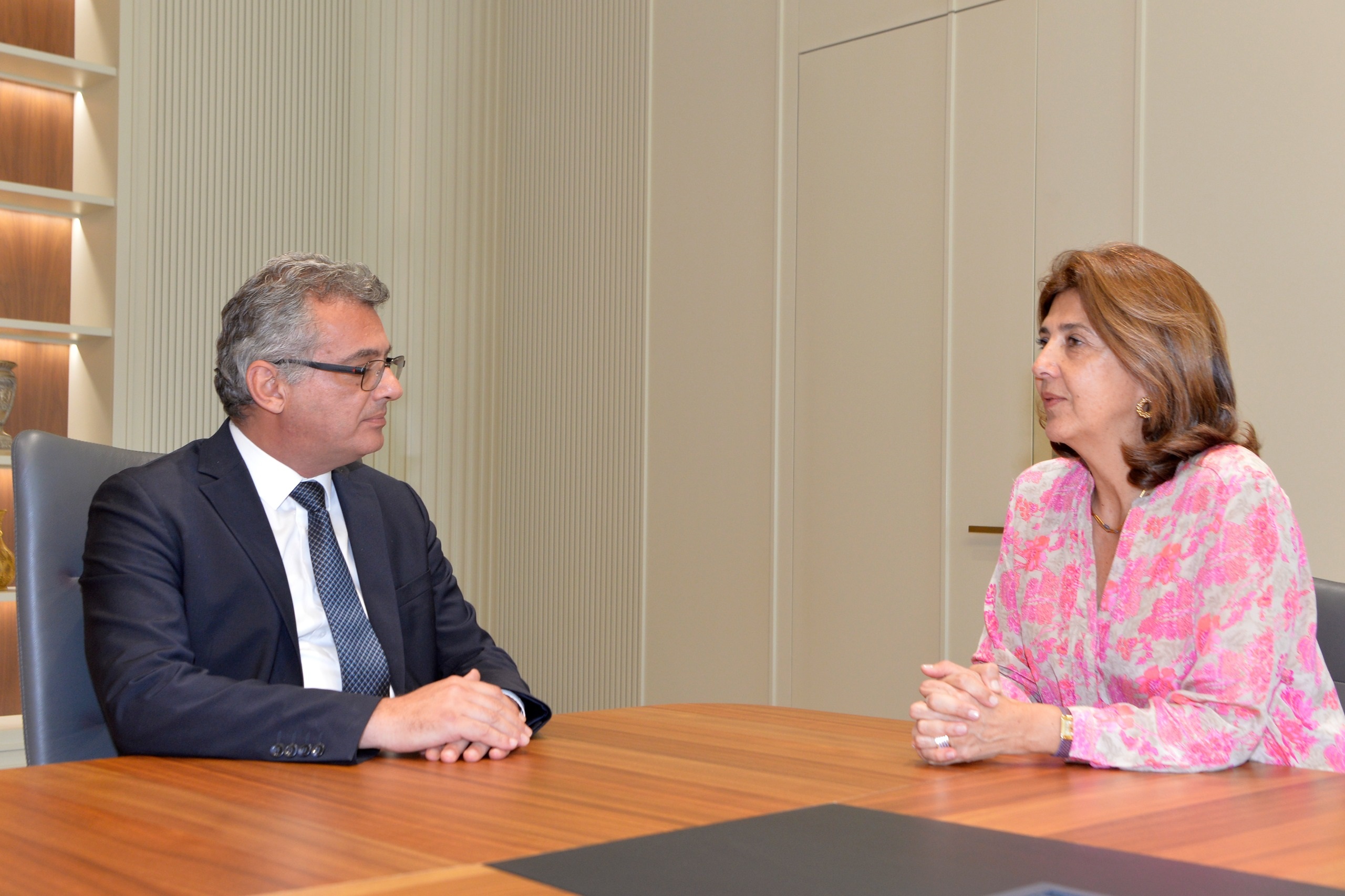
Speaking on Tuesday, following a meeting with United Nations Secretary-General’s personal envoy Maria Angela Holguin, Erhurman described their discussions as “sincere, useful and productive” and said efforts under way extend beyond confidence building measures to the core issues of the Cyprus problem.
While cautioning that it remains too early to determine where the process will lead, he said preparatory work would be critical to ensuring any future conference delivers tangible results.
“We want a 5+1 meeting to yield a substantive result,” Erhurman said, adding that the shape of those results would emerge through ongoing preparations.
His remarks come as momentum appears to be building around a possible expanded conference between the Greek and Turkish Cypriot sides as well as the three guarantor powers, those being the United Kingdom, Greece and Turkey, with Holguin confirming that such a meeting is being prepared and could take place during the summer.
Erhurman said the Turkish Cypriot side expects clearer indications regarding a new initiative by late June or early July and reiterated its preference for a three-stage process.
This would involve progress on confidence-building measures in Nicosia, agreement on the framework and procedures governing negotiations, and then a transition to comprehensive talks.
Regarding timing, he said an expanded conference could take place in late June, July or later in the summer if preparations are completed, yet stressed that readiness was more important than haste.
“If it is not ready by August, it can be postponed to September,” he remarked.
He added that the Turkish Cypriot side was “not interested” in what he described as “negotiation for the sake of negotiation” and suggested the UN was also seeking to avoid a repeat of previous rounds of inconclusive talks.
On confidence-building measures, Erhurman said progress had been made but acknowledged that expectations had not yet been fully met.
He expressed hope that sufficient groundwork would be completed to allow a substantive meeting to take place in late July or early August.
Erhurman reiterated his four preconditions which he said underpin the Turkish Cypriot side’s approach to any renewed process.
These include maintaining political equality outside the scope of negotiation, setting clear start and end dates for talks, reaffirming previous convergences reached by the two sides, and ensuring there can be no return to the existing status-quo if the republic withdraws from negotiations.
“We will not participate in any process that does not incorporate these four points,” he said.
Asked whether he would hold a private meeting with President Nikos Christodoulides, Erhurman said no such meeting was currently scheduled but left open the possibility that one could be arranged.
He also said he did not expect the forthcoming Nato summit to influence developments on the Cyprus issue and dismissed suggestions regarding comments attributed to Turkish President Recep Tayyip Erdogan, saying only Erdogan could speak on his own position.
Erhurman argued that a settlement of the Cyprus problem remains the “only route to lasting stability and peace in the region”.
He said issues including security, energy and hydrocarbons increasingly require cooperation and joint decision-making on the island.
His comments came as Holguin continues a fresh round of contacts with both sides ahead of planned visits to Ankara and Athens.
Following meetings with President Christodoulides and Erhurman, the UN envoy indicated that preparations for an expanded conference were under way and suggested it could take place in July or August.
President Christodoulides has expressed cautious optimism about the process, saying the objective remains to convene an expanded meeting that would lead to the announcement of a resumption of substantive negotiations from the point at which they were previously interrupted.
He has also indicated that discussions with Holguin are focused on core aspects of the Cyprus issue and that the coming months could prove decisive in determining whether a new negotiating phase can begin.





Click here to change your cookie preferences