
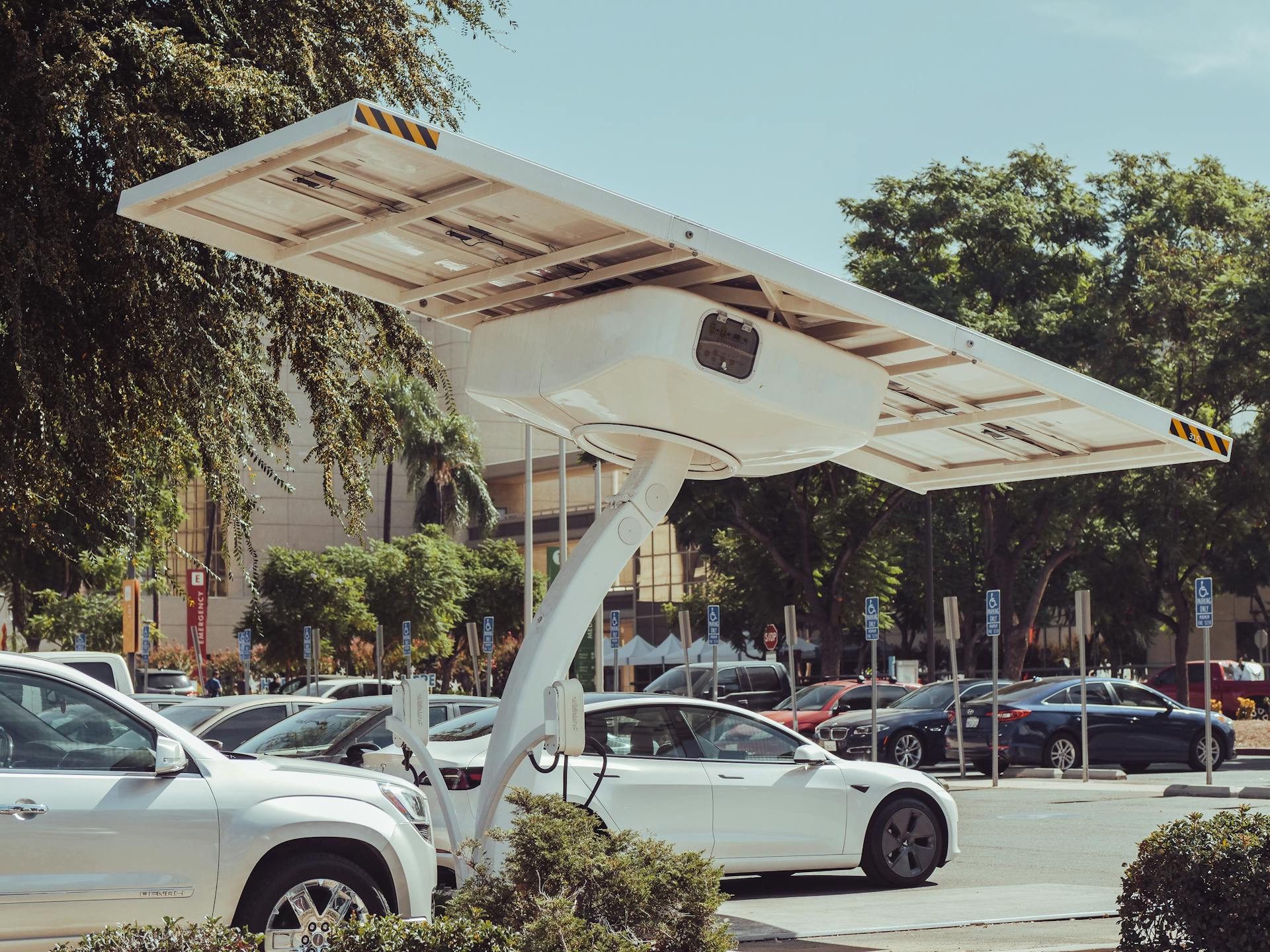
Cyprus motorists continue move away from petrol cars
Registrations of motor vehicles in Cyprus increased during the first five months of 2026, with hybrid and electric cars continuing to strengthen their position in the market, according to a report from the state statistical service (Cystat).
The figures showed that electrified vehicles accounted for the majority of new passenger car registrations, reflecting a broader shift away from conventional petrol and diesel engines.
According to Cystat, total motor vehicle registrations reached 23,743 units in January-May 2026, representing an increase of 13 per cent compared with 21,012 vehicles during the corresponding period of 2025.
In May 2026 alone, 5,173 vehicles were registered, up 6.0 per cent from the 4,879 units recorded in May 2025.
At the same time, passenger saloon car registrations rose by 7.7 per cent to 4,000 vehicles in May, compared with 3,715 vehicles a year earlier.
For the January-May period, passenger saloon cars increased by 12.5 per cent, reaching 18,259 units, compared with 16,224 units in the same period of 2025.
Of these, 6,112 vehicles, or 33.5 per cent, were new cars, while 12,147 vehicles, or 66.5 per cent, were used cars.
Meanwhile, rental car registrations declined by 14.2 per cent, falling from 2,197 vehicles to 1,884 vehicles.
The most significant trend was the continued rise of hybrid vehicles, whose share climbed to 51.3 per cent of passenger car registrations, compared with 42.9 per cent during the corresponding period last year.
This means that more than one in every two passenger cars registered in Cyprus this year has been a hybrid model.
The share of fully electric cars also increased, reaching 5.0 per cent, up from 4.7 per cent in January-May 2025.
By contrast, the proportion of petrol-powered cars fell sharply to 35.4 per cent, down from 43.7 per cent a year earlier.
The share of diesel cars also declined, easing to 8.3 per cent from 8.8 per cent.
The developments mirror wider trends across Europe, where hybrid-electric vehicles have become the preferred choice among consumers, according to data released by the European Automobile Manufacturers’ Association (ACEA).
The ACEA recently reported that hybrid-electric cars accounted for 38.6 per cent of all new EU registrations during the first quarter of 2026, making them the largest segment in the bloc.
The association also found that battery-electric vehicles represented 19.4 per cent of the EU market, up from 15.2 per cent a year earlier.
In addition, plug-in hybrid registrations rose to 9.5 per cent of the market, compared with 7.6 per cent in the first quarter of 2025.
Combined, the market share of petrol and diesel vehicles in the European Union fell to 30.3 per cent, down from 38.2 per cent a year earlier.
Across the EU, 546,937 battery-electric cars were registered during the first quarter of 2026.
Italy recorded a 65.7 per cent increase in battery-electric registrations, while France posted growth of 50.4 per cent and Germany reported an increase of 41.3 per cent.
Belgium, however, experienced a 2.3 per cent decline, the association added.
Hybrid registrations across the EU reached 1,089,421 units, supported by growth of 25.8 per cent in Italy, 18.5 per cent in Spain, 7.4 per cent in Germany, and 3.1 per cent in France.
Plug-in hybrid registrations also continued to expand, driven by increases of 110.1 per cent in Italy, 74.2 per cent in Spain, and 19.3 per cent in Germany.
Meanwhile, registrations of petrol cars in the EU declined by 18.2 per cent, with France recording the steepest drop at 40.3 per cent.
Italy saw petrol registrations fall by 18.6 per cent, while Spain and Germany recorded decreases of 18.1 per cent and 16.1 per cent respectively.
The market share of petrol cars in the European Union consequently dropped to 22.6 per cent, from 28.7 per cent a year earlier.
Diesel registrations in the bloc also continued their downward trajectory, declining by 15.7 per cent and accounting for 7.7 per cent of total registrations.
Back in Cyprus, registrations of motor coaches and buses increased significantly to 102 vehicles, compared with 63 vehicles in January-May 2025.
Goods conveyance vehicles rose by 15.4 per cent to 2,854 units, from 2,474 units a year earlier.
Among these, light goods vehicles increased by 11.5 per cent to 2,253 units.
At the same time, registrations of road tractors climbed by 16.8 per cent to 111 units.
Elsewhere, heavy goods vehicles surged by 32.1 per cent to 358 units, the service added.
Rental goods vehicles recorded the strongest increase, rising by 51.7 per cent to 132 units.
In contrast, registrations of mopeds under 50cc dropped sharply to 55 vehicles, down from 101 vehicles during the same period of 2025.
At the same time, mechanised cycles above 50cc increased by 15.3 per cent to 2,149 units, compared with 1,864 units a year earlier.
The latest figures indicate that Cyprus is increasingly following the European transition towards electrified mobility, with hybrid vehicles now firmly established as the dominant powertrain choice among motorists.





Click here to change your cookie preferences