
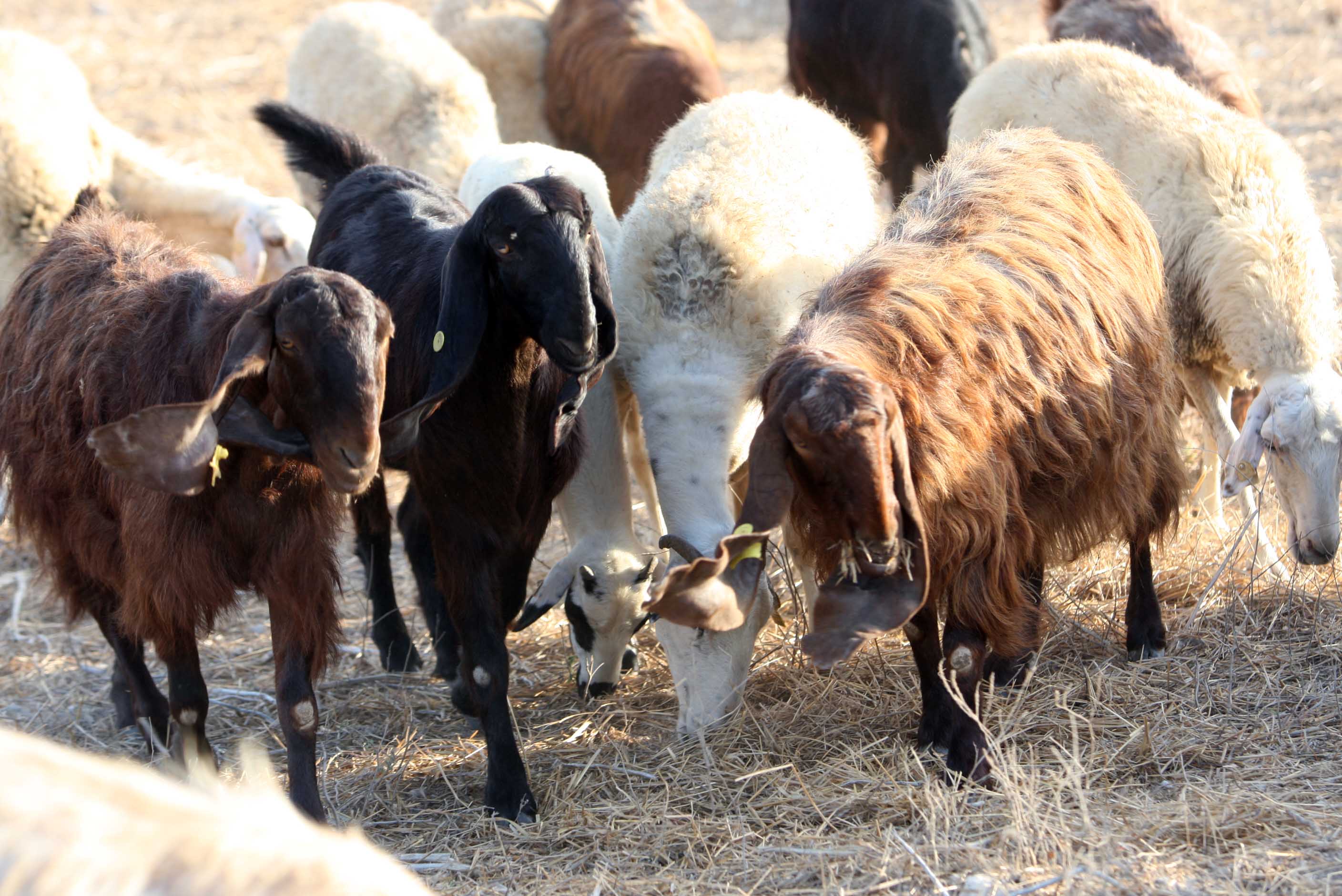
The agriculture ministry has confirmed that it has received a new request for additional financial support from the Union of Sheep and Goat Producers’ Groups and said the matter will be assessed by the competent authorities under the existing legal framework.
In a statement issued on Saturday, the agriculture ministry said it understood the difficulties faced by sheep and goat farmers as a result of restrictive measures introduced to prevent the spread of foot-and-mouth disease and remained in close contact with the sector.
The ministry said the government had recognised from the outset the importance of sheep and goat farming to both the primary sector and the wider Cypriot economy.
“For this reason, substantial support has already been provided to the sector through increased subsidies, while almost 50 per cent of the major investment programme, worth around €30 million, concerns investments in sheep and goat farming,” the statement said.
It added that compensation payments to livestock farmers affected by foot-and-mouth disease had already been approved and were being paid as part of measures adopted to support the sector.
Regarding the producers’ latest request for additional financial assistance, the ministry said it would be examined by the relevant services “on the basis of the existing institutional framework and taking into account the needs of the sector”.
Meanwhile, authorities are also considering possible relaxations of some of the restrictions currently in force due to foot-and-mouth disease.
Speaking to the Cyprus News Agency (CNA) on Saturday, president of the Cyprus Veterinary Association and member of the epidemiological team Dimitris Epaminondas said discussions had taken place on Friday with agricultural organisations regarding requests from livestock groups for the easing of certain measures, taking into account the current epidemiological situation.
He said the issues raised would be finalised next week, making it “most likely” that a new decree would be issued either during the coming week or, if this proved impossible, the following week.
He also said that nationwide surveillance sampling for foot-and-mouth disease had begun.
According to Epaminondas, the first test results from Limassol and Nicosia were negative, while results from the remaining districts are still pending after samples were sent to laboratories for analysis.
Asked about factors affecting the survival and transmission of the virus, Epaminondas said that the high temperatures and ultraviolet radiation typical of this time of year were not conducive to the virus’ survival, reducing the likelihood of transmission.
So far an astounding 80,000 animals have been culled, and it’s taken a heavy toil on both farmers and vets.





Click here to change your cookie preferences