
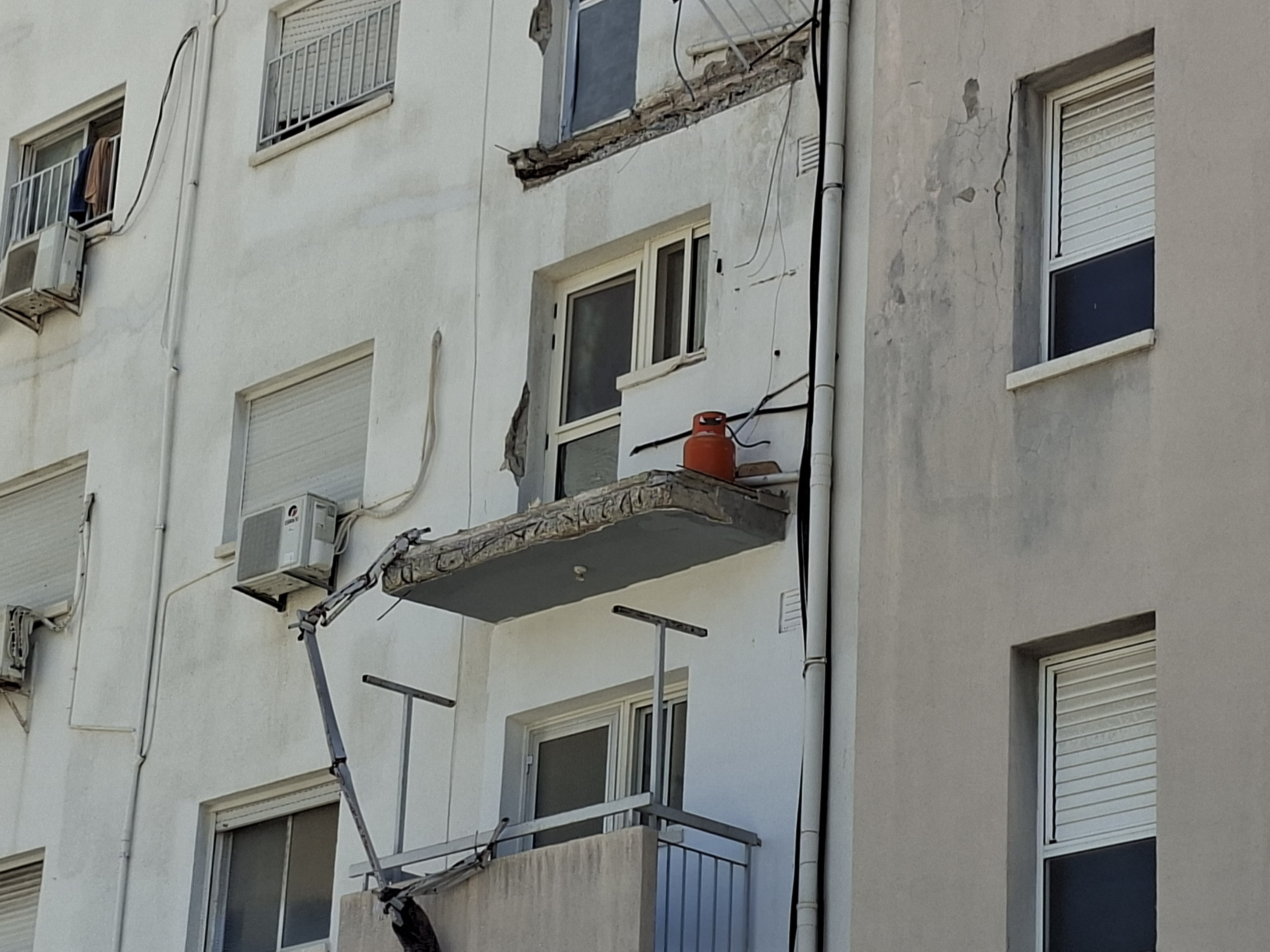
The apartment block in Limassol where two balconies collapsed and fell onto a parked car on the street below had not been classified as dangerous, but had been highlighted by the city’s municipality as “in need of maintenance”, Limassol district governor Yiannis Tsouloftas said on Tuesday.
“A letter had been sent stating that it had sustained damage and disintegration of its external walls, and that the balconies needed maintenance,” he told the Cyprus News Agency.
He added that the building’s owners had been “asked to appoint a civil engineer to address the issues identified”, but that it appears thus far that “this has not been done”.
When the balconies collapsed on Monday evening, he said, “from the very beginning, engineers from the Limassol district government, as well as I, personally, went to the site, while a contractor from the district government fenced the area off”.
He said that the district government had worked in collaboration with the civil defence to evacuate the building, while the civil defence provided temporary accommodation for the “around 20 people” who had no place to stay.
“Today, at first light, district government engineers were on site examining the static condition of the apartment building to decide whether its residents will return or whether it will remain empty until the danger is removed,” he said.
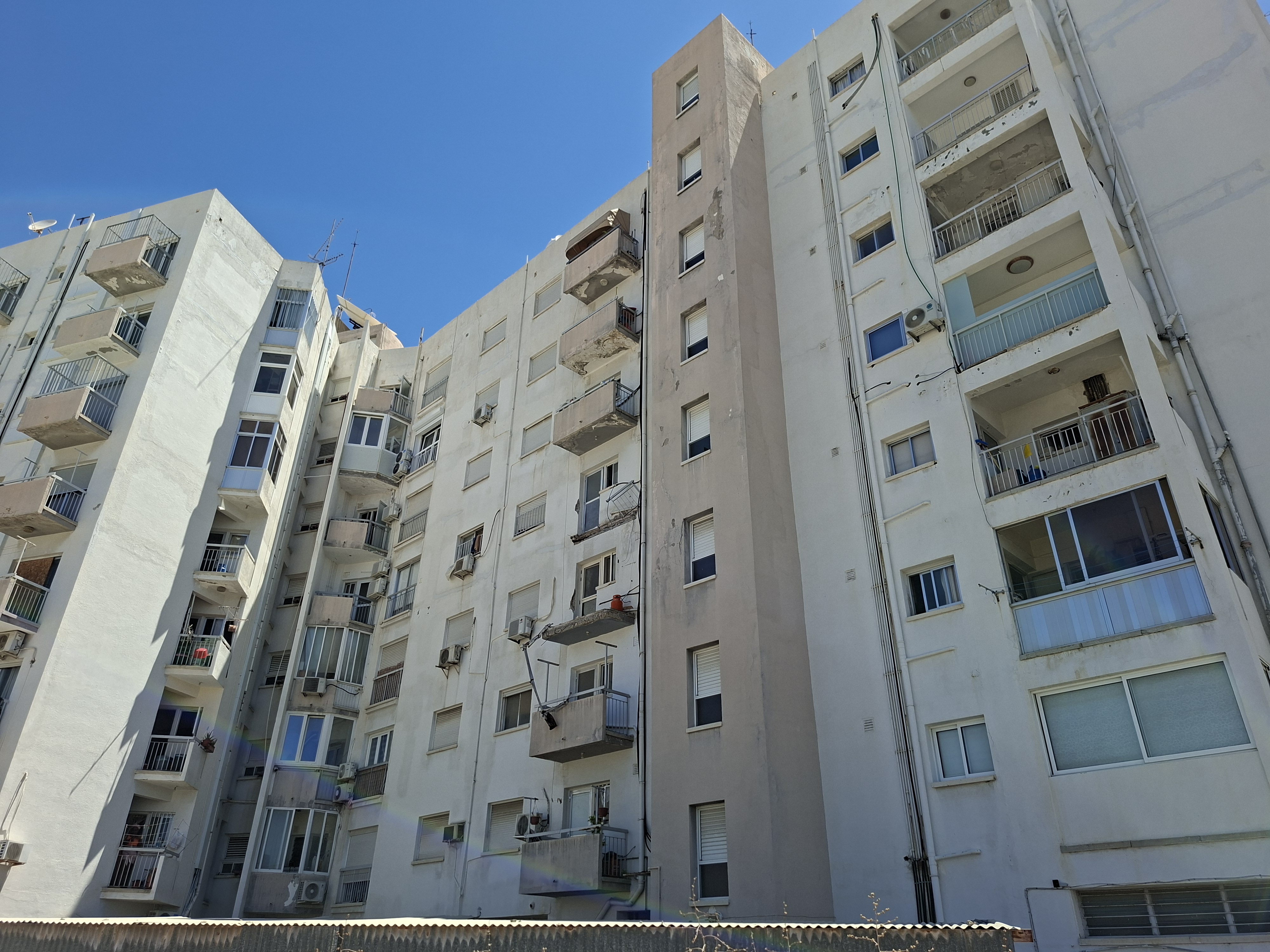
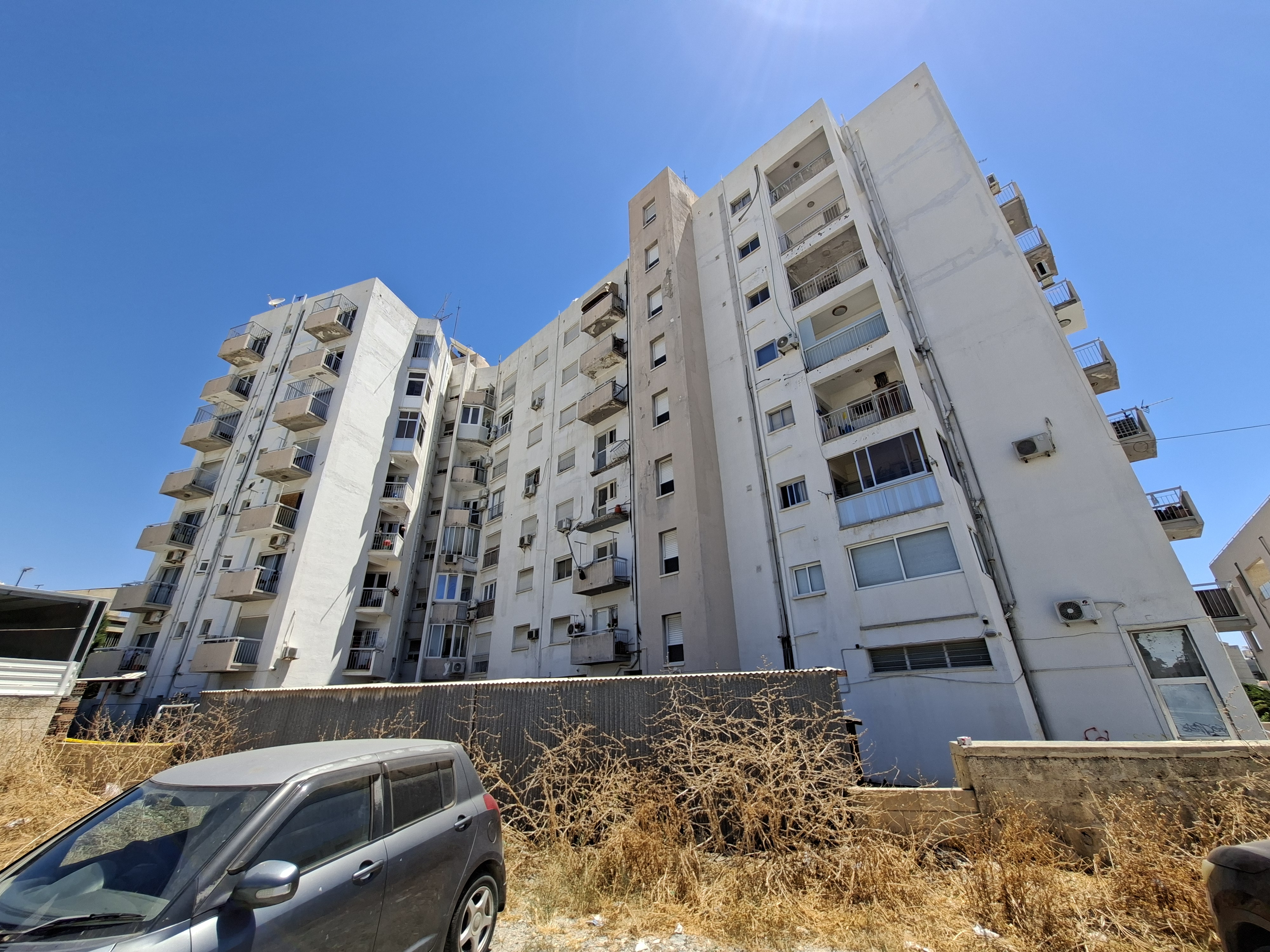
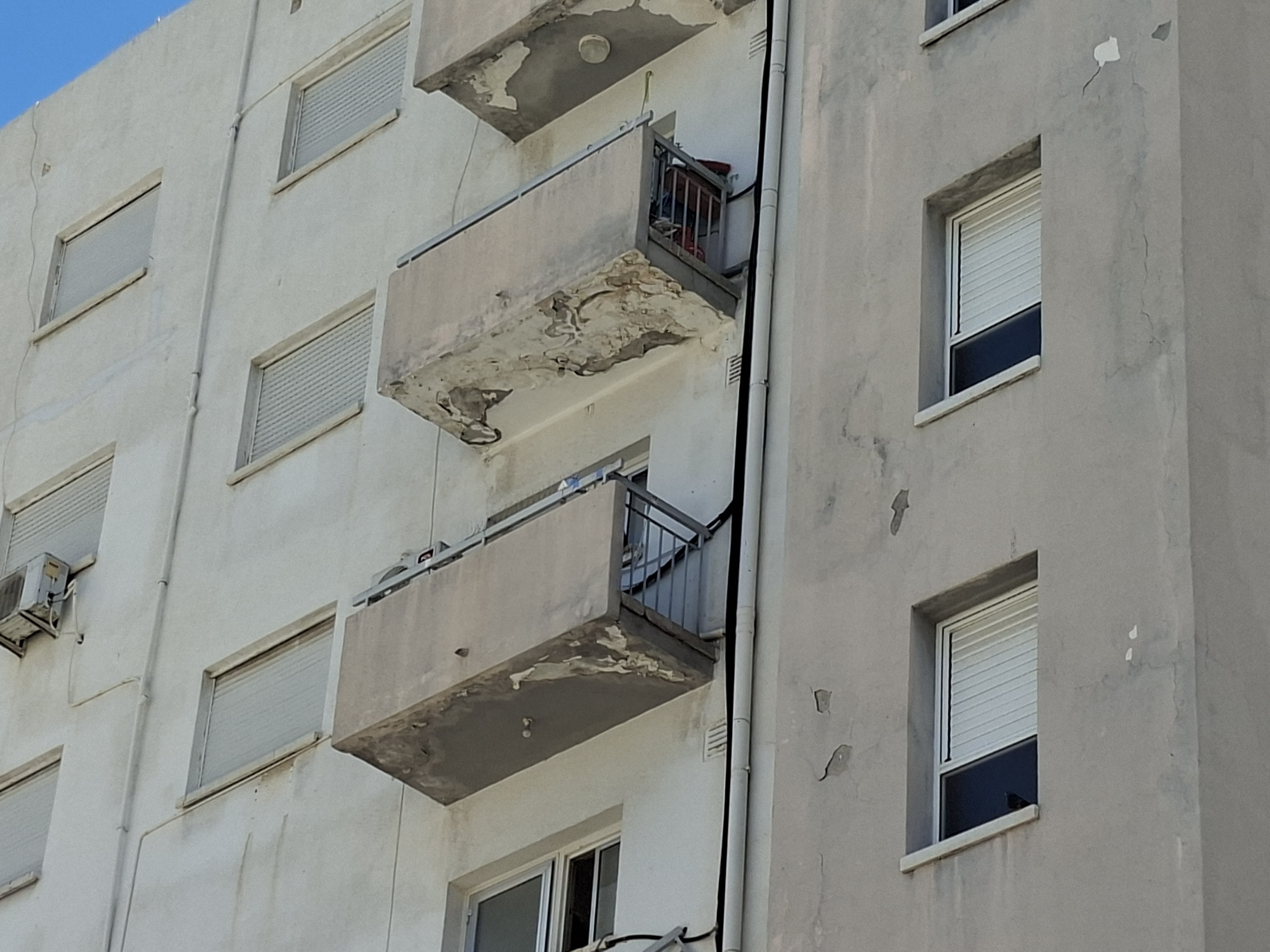
No injuries were reported as a result of Monday night’s incident, but it was the second notable building collapse to have occurred in Limassol in recent months, with the Seagate apartment complex in Yermasoyia having partially collapsed in April.
That collapse caused the deaths of two people, with government spokesman Konstantinos Letymbiotis saying at the time that “the full investigation of the causes and circumstances of the tragedy … [is] a necessary condition for the prevention of similar tragedies in the future”.
However, since then, the district government has filed an application for an evacuation order to be issued for the building on May 20, but none has yet been forthcoming, with the matter making its way through the courts.
As such, the building remains inhabited, despite its partial collapse over two months ago.
On this matter, Tsouloftas had warned that while “legal tools may exist”, they are “slow and ineffective”, and they “do not provide the organisation with the ability to offer an immediate solution to a problem involving a dangerous structure”.
He called for legislative amendments that would give district governments the authority to deal with unsafe buildings “quickly and effectively”.




Click here to change your cookie preferences