
How Maison Schiaparelli pioneered a new form of fashion currency
By Emanuela Prandelli
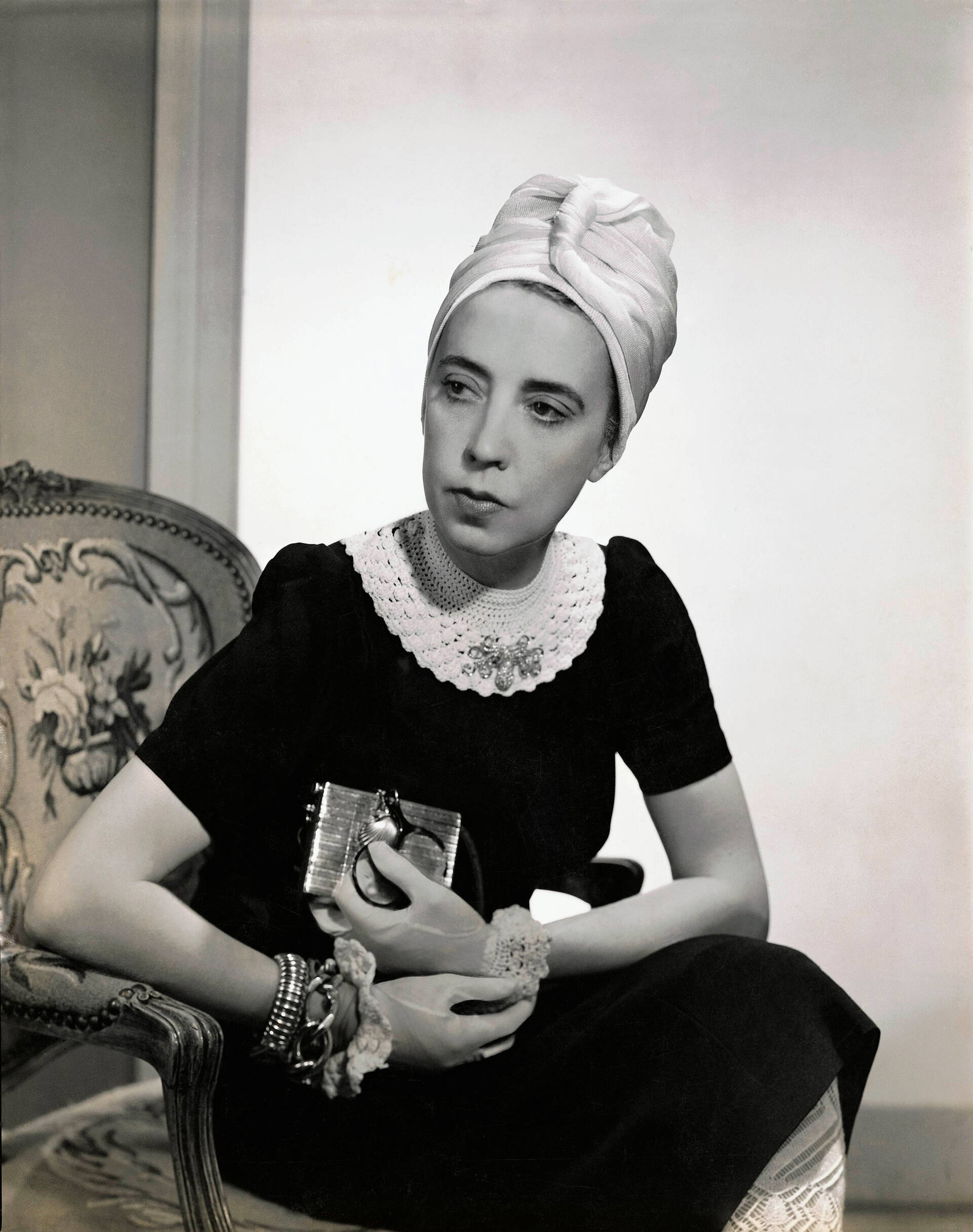
In a luxury market often blamed for flattening creativity, Maison Schiaparelli has long stood out for its defiant unconventionality. Where Coco Chanel’s creations exalted the functional elegance of the modern woman, Elsa Schiaparelli was interpreting her dreams, transforming her dresses into intellectual statements.
The story of how Elsa Schiaparelli did this is celebrated in Schiaparelli: Fashion Becomes Art, the current exhibition at the V&A in London (until November 8). It also shows her legacy is intact. In transforming clothing into something provocative and fantastical, fuelled with an unconventional viewpoint and rooted in craftmanship, current creative director Daniel Roseberry has stayed true to Schiaparelli’s philosophy.
Key to the brand’s success is how it has consistently deployed clever, clear messaging. From the outset, Schiaparelli’s messaging has been based on four central pillars: a strong connection to fine art; cultural relevance; recognisable iconography; and the promise of a heightened customer experience.
Elsa Schiaparelli pre-empted the kind of connection to the art world that many brands have tried to leverage ever since. When she arrived in Paris in 1922, she fell in with a distinguished avant-garde circle. Within a few years she opened her couture house and began collaborating on designs with artists. These included Cecil Beaton, Marcel Vertès, Jean Cocteau, Alexander Calder and Man Ray.
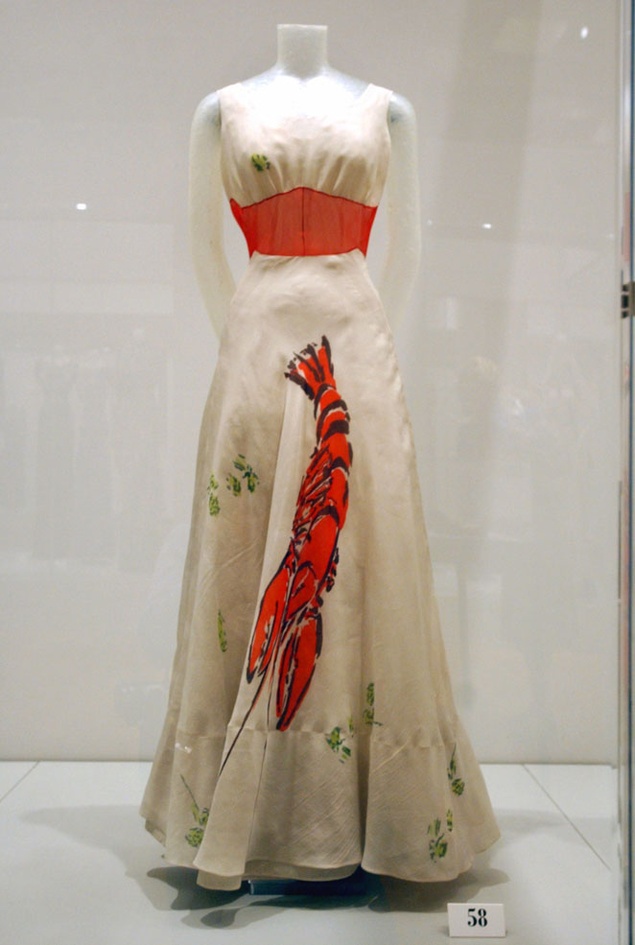
The work she did with Salvador Dalì in the 1930s is of particular note. It features several legendary pieces, including the Lobster Dress (1937) and the Skeleton Dress (1938). During this time, she also introduced her signature colour, shocking pink, to the fashion world.
The fashion consumer’s identity is no longer defined in relation to their ability to purchase particularly expensive items alone. It emerges, instead, from mastering sophisticated skills and accessing knowledge of what is cool, before it becomes too widespread.
This has led to the emergence of a new form of currency. Rather than status being solely tied to affluency, it is now connected to privileged access to information. The Schiaparelli brand pioneered a shift from a purely economic elite to a cultural elite.
Second, the brand cultivates cultural relevance. Schiaparelli was a sharp observer of her times. She gave imaginative life to objects while understanding how to reinterpret them to reflect prevailing cultural currents.
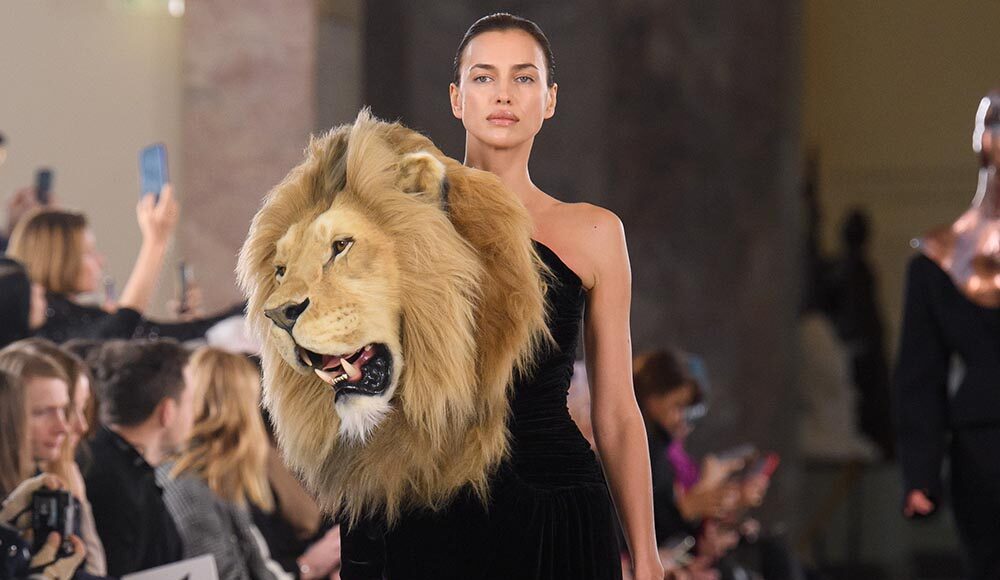
In the 1930s, by placing upside-down shoes on her models’ heads Schiaparelli sought to generate debate and prompt unconventional thinking. Similarly, the fashion house’s show at Paris Couture Week 2023 featured faux taxidermied tiger and lion heads incorporated into feminine dresses, in metaphorical irreverence.
This approach has made the brand very polarising in terms of public opinion. At the same time, it has freed it from being bound to temporary fashion trends and allowed it to be more versatile and confident, in embracing contemporary semantic codes.
Third, in place of a logo, the brand has nurtured very identifiable recurring stylistic elements. It deploys in an unconventional way what marketing scholars have termed “subtle signalling”. Here too, however, it has done so in a very loud, maximalist way. Schiaparelli is anything but boring.
Subtle signalling is often related to what branding specialists term “quiet” or “discreet” luxury. In Schiaparelli’s world, nothing is quiet or discreet. Its boldness itself is the signifier.
Take the keyhole silhouette that appears on bag flaps and shoe toes. The anthropomorphic references that take inspiration from Salvador Dali’s alphabet, transforming eyes and noses into buttons. The tape measure that runs along shirt collars … These are just a few of the brand’s recognisable motifs. They comprise the kind of trademark that remains fundamental in the luxury world: that distinguishes people in the know, those who have the cultural capital to be able to confidently recognise a Schiaparelli piece, from those who do not.
Fourth, in a luxury market where people increasingly value unique experiences as well as exclusive products, Maison Schiaparelli has paired very selective distribution with a distinctive customer experience. This starts when you ring the bell at the Maison’s iconic atelier in Paris, on Place Vendome. You are given an historical tour of the house, before even getting to talk about the clothes.
As research shows, an environment combines the domestic with fashion retail imperatives accentuates exclusivity. It evokes in the customer a feeling of being grounded in heritage and tradition.
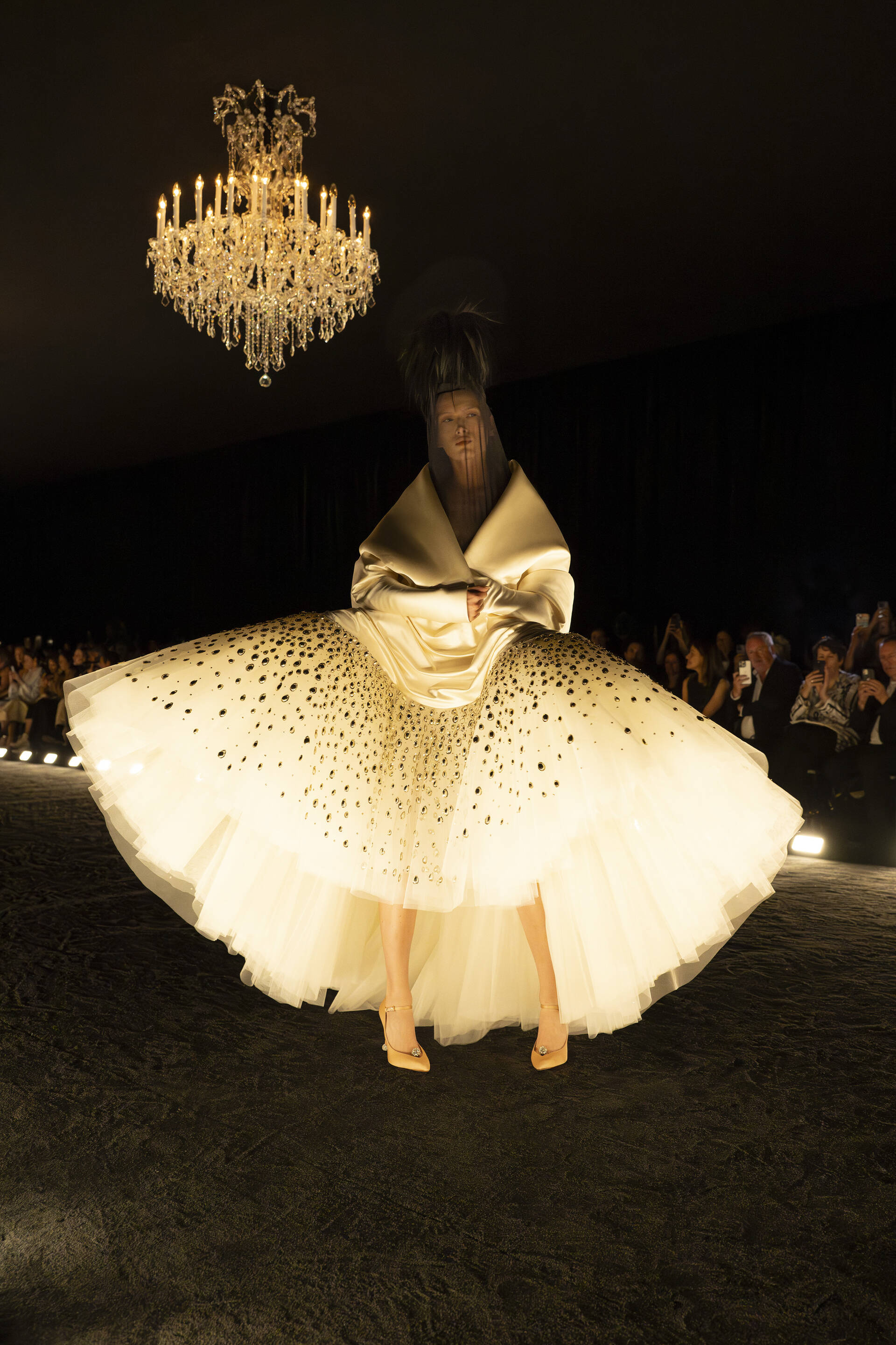
Brand desirability is the main challenge for many players in the fashion world. Schiaparelli has cultivated an atelier environment and a theatrical atmosphere that enhance what makes buying and wearing the clothes so desirable. That haute-couture spirit runs through the brand’s ready-to-wear collections and it shapes its commercial strategies too.
This is the fourth pillar of the brand’s success. Creation is rooted in craftmanship and collaboration with textile artisans and embroiderers. From Schiaparelli’s handcrafted Lobster Dress to Roseberry’s most recent sculptural collections, each piece is a tribute to sartorial skill and attention to details, not to mention cutting-edge material technology.
The CEO of Tod’s Group, Diego Della Valle, who bought the brand in 2007, insists on the importance, in the era of AI, of what he terms “craft intelligence” or “artisanal intelligence”. Elsa Schiaparelli, that woman of paradoxes, would surely agree.
Emanuela Prandelli is Associate Professor of Fashion & Luxury Management, Department of Management & Technology, Bocconi University. This article is republished from The Conversation under a Creative Commons licence





Click here to change your cookie preferences