
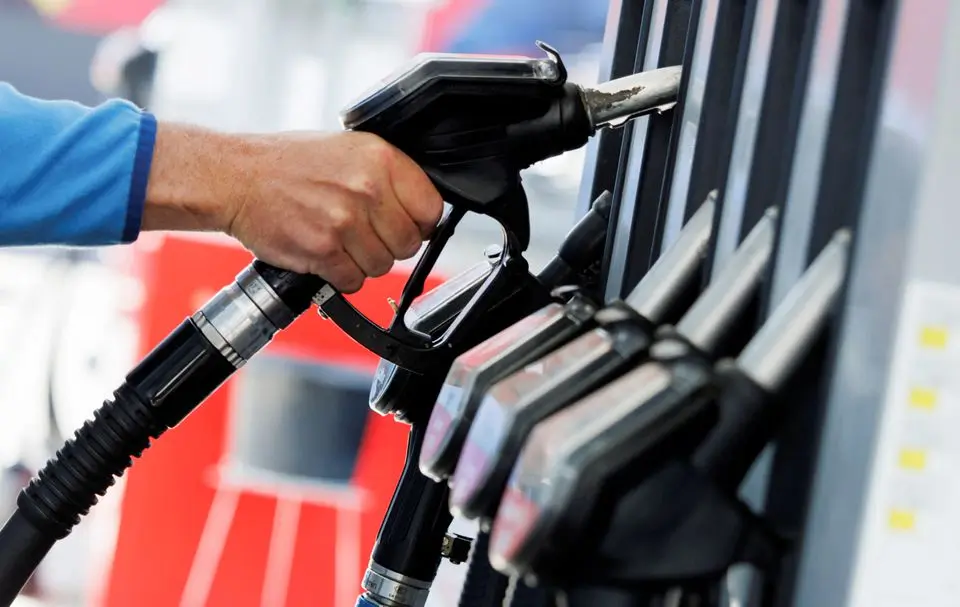
Fuel prices in Cyprus have fallen steadily in recent weeks but remain above the levels seen before tensions escalated between Israel and Iran, while uncertainty over developments in the region means it is impossible to predict how prices will move in the coming weeks, officials said on Thursday.
Director of the Consumer Protection Service at the energy ministry, Constantinos Karayiorkis, said the recent downward trend had been significant but warned that the situation remained highly unpredictable because of instability in the Middle East.
“We cannot make reliable predictions about the future course of fuel prices,” he said, pointing to the risk that renewed conflict around the Strait of Hormuz could quickly reverse recent declines.
Karayiorkis said fuel prices in Cyprus had not yet returned to their pre-conflict levels and that more time might be needed before they do so.
“We hope calm will prevail so prices can return to the relatively low levels seen before the conflict,” he said, urging the public not to fuel unnecessary fears over possible price increases.
According to Consumer Protection Service data, between June 2 and July 9 the average price of unleaded 95 petrol fell by 14.4 cents per litre, while diesel prices dropped by 34.9 cents per litre.
On July 9, the nationwide average price of unleaded 95 stood at €1.467 per litre, with prices ranging from €1.389 to €1.569. Diesel averaged €1.570 per litre, with the cheapest price at €1.484 and the highest at €1.767.
Karayiorkis explained that there is an inherent delay between changes in international oil markets and retail prices in Cyprus because imported fuel typically takes several days to reach the island.
“The fuel currently being sold in Cyprus was purchased around ten days ago,” he said, adding that a short-term rise in crude oil prices would not immediately be reflected at petrol stations.
He said the service closely monitors refinery prices, which have remained relatively low in recent weeks and have supported the decline in retail fuel prices.
Meanwhile, Cyprus Petrol Station Owners’ Association chairman Savvas Prokopiou said he had expected prices to fall slightly further before recent geopolitical developments halted the downward trend.
He noted that current prices still reflect the government’s 8.3-cent fuel subsidy and said he did not expect any further reductions for the time being.
“We are now seeing prices stabilise,” Prokopiou said.
However, he warned that renewed tensions around the Strait of Hormuz could eventually lead to higher prices.
“With this situation developing again, at some point price increases will certainly begin,” he said.



Click here to change your cookie preferences