
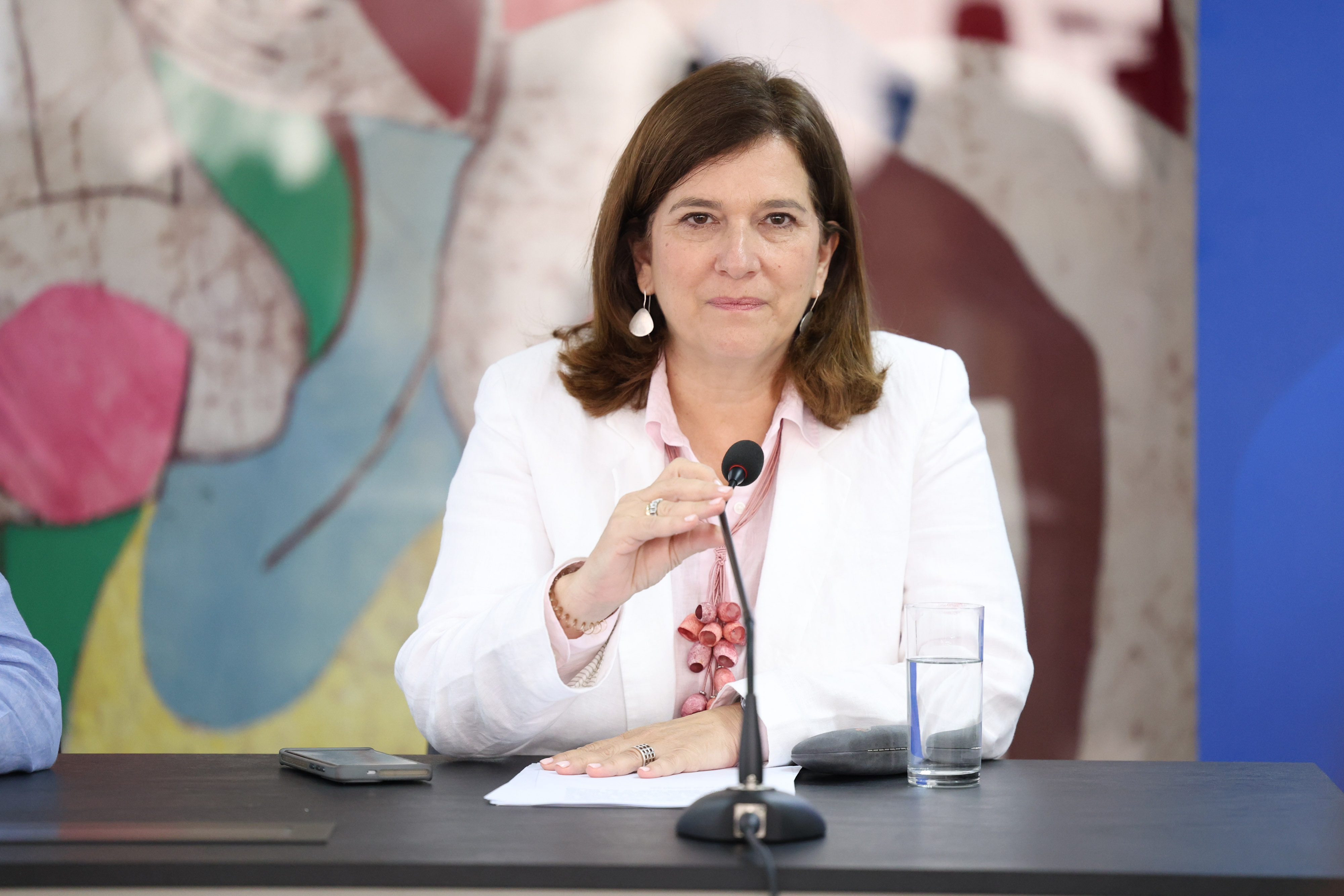
The international promotion of Cypriot artists was the greatest achievement of the cultural programme organised during Cyprus’ EU Council presidency, deputy culture minister Lina Kassianidou said on Tuesday.
“This was the greatest gain from the presidency: we were able to spread our wings and send artists, musicians and choreographers to many countries around the world to present their work,” she said.
Kassianidou said this had led to “tangible results” in terms of the international promotion of cultural heritage and contemporary art, as well as European policy.
During the presidency, Cyprus showcased its cultural heritage and contemporary creative production through 18 concerts and musical performances, as well as an additional 18 art and archaeological exhibitions, seven dance performances and nine theatre, poetry and cinema events in 30 countries, with the participation of over 500 artists in several countries including Belgium, Denmark, France and Germany.
She expressed the hope that showcasing the programmes would have an impact, and that more people would become acquainted with the work of Cypriot creators, potentially leading to new invitations and collaborations in the future.
As one of the most critical issues handled by the deputy ministry, she highlighted the legislative work for AgoraEU, the new financial programme to support culture, media and civil society for the period from 2028 to 2034.
Asked how the deputy ministry was planning to utilise the new programme, Kassianidou said that AgoraEU would serve as a continuation and expansion of the existing Creative Europe programme and aimed to increase the participation of Cypriot organisations.
She then went on to list further achievements of the presidency including the joint declaration Europe for Culture – Culture for Europe, which had been signed in Brussels by the President Nikos Christodoulides, European Parliament President Roberta Metsola and European Commission President Ursula von der Leyen.
Kassianidou also referred to the promotion of the new work programme for Culture 2027 to 2030, which sets out the priorities of European cooperation in the field of culture, as well as the work on the protection, digitisation and better access of citizens to European archives.
Finally, the deputy minister pointed to the informal meeting of culture ministers held in Nicosia on June 2, which focused on the protection of cultural rights in the face of the challenges of artificial intelligence, as well as the illicit trafficking of cultural goods.
Kassianidou said that the ministers had discussed ways in which public policies could enhance human creativity without undermining artistic freedom, the authorship of works, transparency, or the fair remuneration of creators.





Click here to change your cookie preferences