
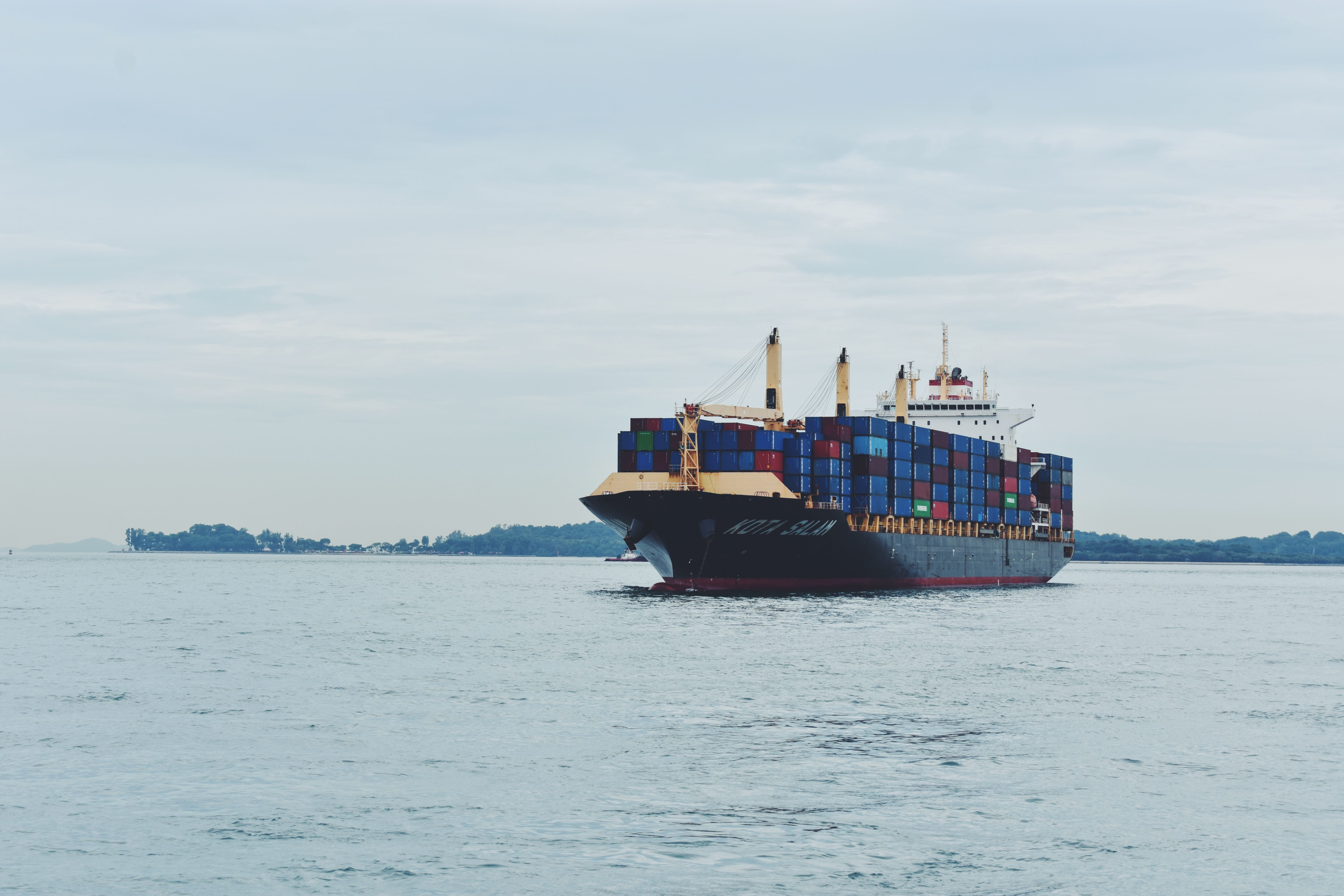
China is preparing to turn a one-off voyage through the Arctic into a scheduled seasonal container service, testing whether the Northern Sea Route can offer exporters a faster link to Europe without coming close to replacing the Suez Canal.
Chinese-controlled Sea Legend Shipping plans eight roughly weekly sailings between mid-August and October, using seven mainly feeder-sized vessels with capacities ranging from about 1,500 to 4,900 TEU. The company is targeting transit times of 20 to 22 days between China and northern Europe, according to an Intermodal analysis.
Sea Legend’s published schedule shows the first sailing leaving Ningbo-Zhoushan in mid-August, followed by weekly departures until early October. Cargo will be collected from Dalian, Qingdao, Shanghai, Taicang, Fuzhou and Nansha before connecting at Ningbo, while European coverage will extend beyond Felixstowe to ports including Rotterdam, Antwerp, Hamburg, Wilhelmshaven, Gothenburg, Gdynia, Riga and Tallinn.
The programme will deploy the Dubai Tower, Riyadh Mukaab, Athens Odeon, Istanbul Bridge, Tiger Maanshan, Tiger Bintulu and Tiger Lianyungang, with the Dubai Tower expected to make two voyages. The final sailing is scheduled to reach Felixstowe in late October.
The service follows the Istanbul Bridge’s trial passage last year. The 4,890-TEU vessel completed the voyage from Ningbo to Felixstowe in about 20 days, despite arriving two days later than initially planned because of a storm off Norway. It carried about 4,000 containers, including electric vehicles and solar panels, and went on to call at ports in Germany, Poland and the Netherlands, Reuters reported.
Intermodal senior analyst Nikos Tagoulis described the new schedule as the first serious attempt to establish a regular seasonal container service through the Arctic.
“The main advantage of the route is the significant reduction in transit time. For some trips between Northeast Asia and Northern Europe, the duration can be reduced by 30 per cent to 40 per cent compared to the passage through the Suez Canal,” he pointed out.
The savings are not limited to fuel. Faster delivery reduces the time that money remains tied up in cargo, making the route particularly attractive for expensive, time-sensitive products.
“This particular route is particularly attractive for cargo where delivery time is more important than transportation costs, such as electric vehicles, batteries and photovoltaic equipment, as the time that funds remain tied up during transport is reduced,” Tagoulis explained.
Traffic through the corridor is already rising, although it remains tiny beside established global routes. Final figures from the High North Logistics centre show 103 transit voyages in 2025, up 6.2 per cent from 2024, with transit cargo reaching an estimated 3.2 million tonnes. Container ships completed 15 passages, compared with 11 a year earlier, while tankers remained the largest category with 34 voyages.
Russia continues to use the route for LNG, crude oil, coal and other commodities, supported by its icebreaker fleet and investments in ports and Arctic infrastructure. China, meanwhile, sees the corridor as part of its wider Polar Silk Road strategy and a way of reducing reliance on the Strait of Malacca. South Korea is also building experience, with the government backing a trial voyage between Busan and Rotterdam.
However, the route remains seasonal and highly unpredictable. The High North Logistics centre found that open-water conditions during the 2025 season lasted no more than two weeks, while ice persisted across the East Siberian Sea for much of the navigation period. Ships also face limited deepwater ports, bunkering facilities, safe havens and emergency-response capacity across large stretches of the route.
Vessels operating in Arctic waters must comply with the International Maritime Organisation’s Polar Code, which requires a Polar Ship Certificate setting out each vessel’s design, operating limits and ice capabilities. Operations may also require Russian pilotage or icebreaker support, exposing shipping companies to additional costs and sanctions checks involving Russian counterparties.
Cyprus already has a direct connection to Arctic shipping. A Bellona report identified five Cyprus-flagged Arc7 LNG carriers operated by Greece-based Dynagas among the specialised ships serving Russia’s Yamal LNG project. Their role has now entered EU sanctions negotiations, with diplomats considering a proposed 12-month exemption allowing European operators to continue carrying Russian LNG to third countries, subject to volumes being capped at 2025 levels. The proposal had not yet been approved when Reuters reported it on Thursday.
Environmental concerns are equally difficult to ignore. A shorter journey can reduce fuel consumption and voyage-level carbon emissions, but greater Arctic traffic brings black-carbon pollution, disruption to marine life and a higher accident risk in an ecosystem where any rescue or clean-up operation would be exceptionally difficult.
For now, Intermodal considers Sea Legend’s venture a commercial test rather than an alternative to Suez. Its importance will depend on whether eight consecutive sailings can attract enough cargo, maintain their schedules and operate safely through changing ice and weather conditions. If they can, the Arctic may begin to support a small but valuable seasonal market for high-value cargo, ice-capable vessels and specialised maritime services.





Click here to change your cookie preferences