
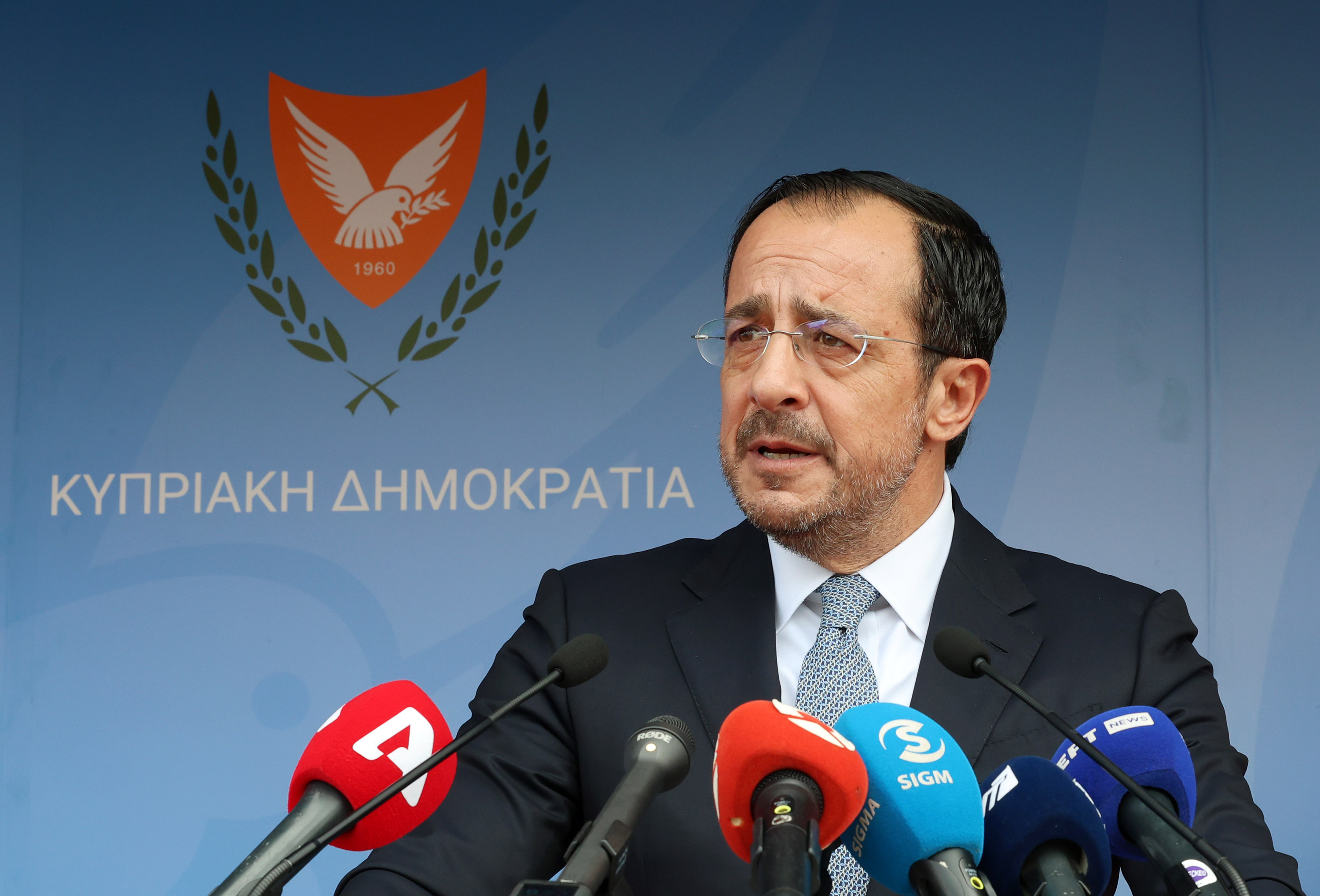
President Nikos Christodoulides on Thursday insisted that the “window of opportunity” for a solution to the Cyprus problem remains open, saying he was prepared to make concessions in pursuit of reunification but would not seek “artificial progress” simply for the sake of restarting negotiations.
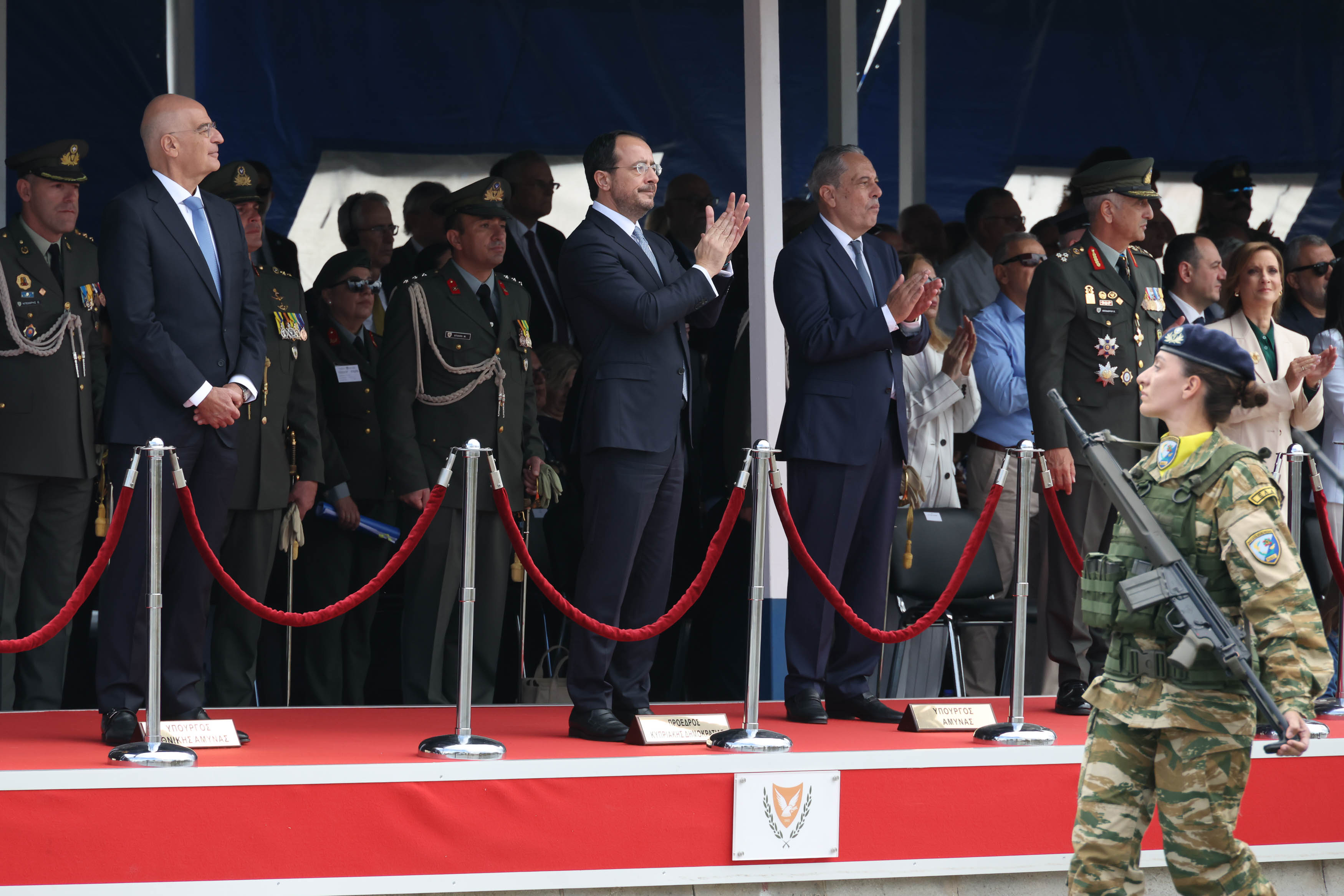
In a televised address marking the 66th anniversary of the Republic of Cyprus, Christodoulides said ending the occupation and reunifying the island remained his “first priority and greatest concern”, despite acknowledging that efforts to break the deadlock had not progressed as far as he had hoped.
“We are unfortunately not at the point where we would like to be, but this does not discourage us and certainly will not lead us to inaction,” he said, arguing that such an approach would only benefit those seeking to perpetuate the status quo.
He pointed to Turkish President Recep Tayyip Erdogan’s calls for a two-state solution at the UN general assembly as evidence of who was responsible for the lack of substantive progress.
Despite the difficulties, Christodoulides said he remained committed to creating the conditions necessary for negotiations to resume.
He cited the UN’s completion of its work recording past convergences, its reaffirmation of the agreed framework for a solution, outgoing UN Secretary-General Antonio Guterres’ willingness to continue his efforts, the Security Council’s position on the form of a settlement and support from the European Union and Cyprus’ other strategic partners as all being grounds for continued optimism.
“As long as the effort continues, the window of opportunity remains open,” he said.
Christodoulides said reunification remained the sole objective, through a settlement which would transform the Republic into a modern state exercising sovereignty over its entire territory, without occupying troops or guarantor powers retaining rights of intervention.
He said he remained a realist and was aware of the limits of the Greek Cypriot side’s position.
“I am ready for concessions which serve the objective of liberation and reunification, but under no circumstances will I slide into actions for the sake of artificial progress,” he said.
He pledged to continue working with all political forces and to exploit “even the last glimmer of hope” for a settlement.
Christodoulides also linked the government’s domestic, economic, defence and foreign policies to its broader strategy of strengthening the Republic and improving its position in efforts to resolve the Cyprus problem.
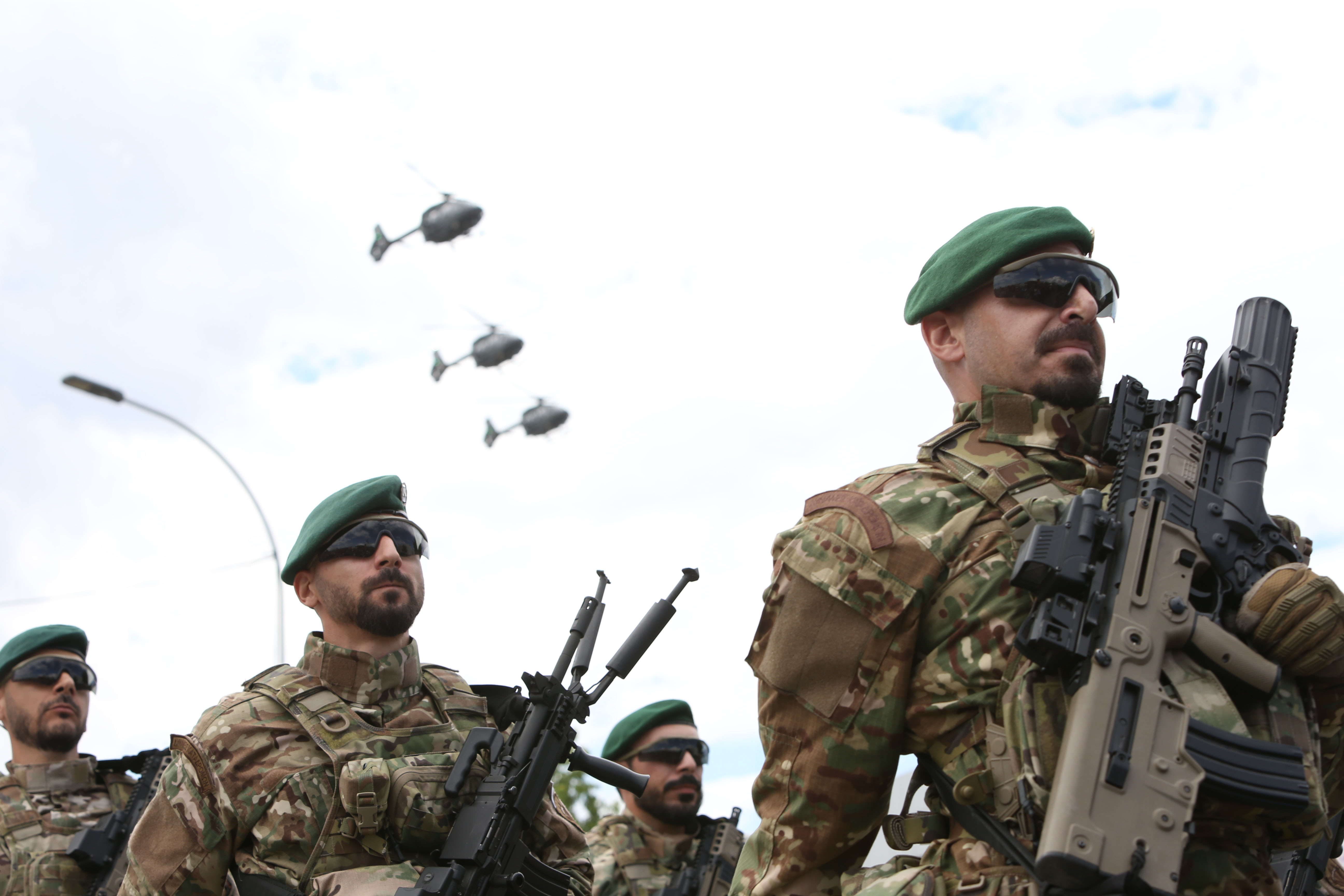
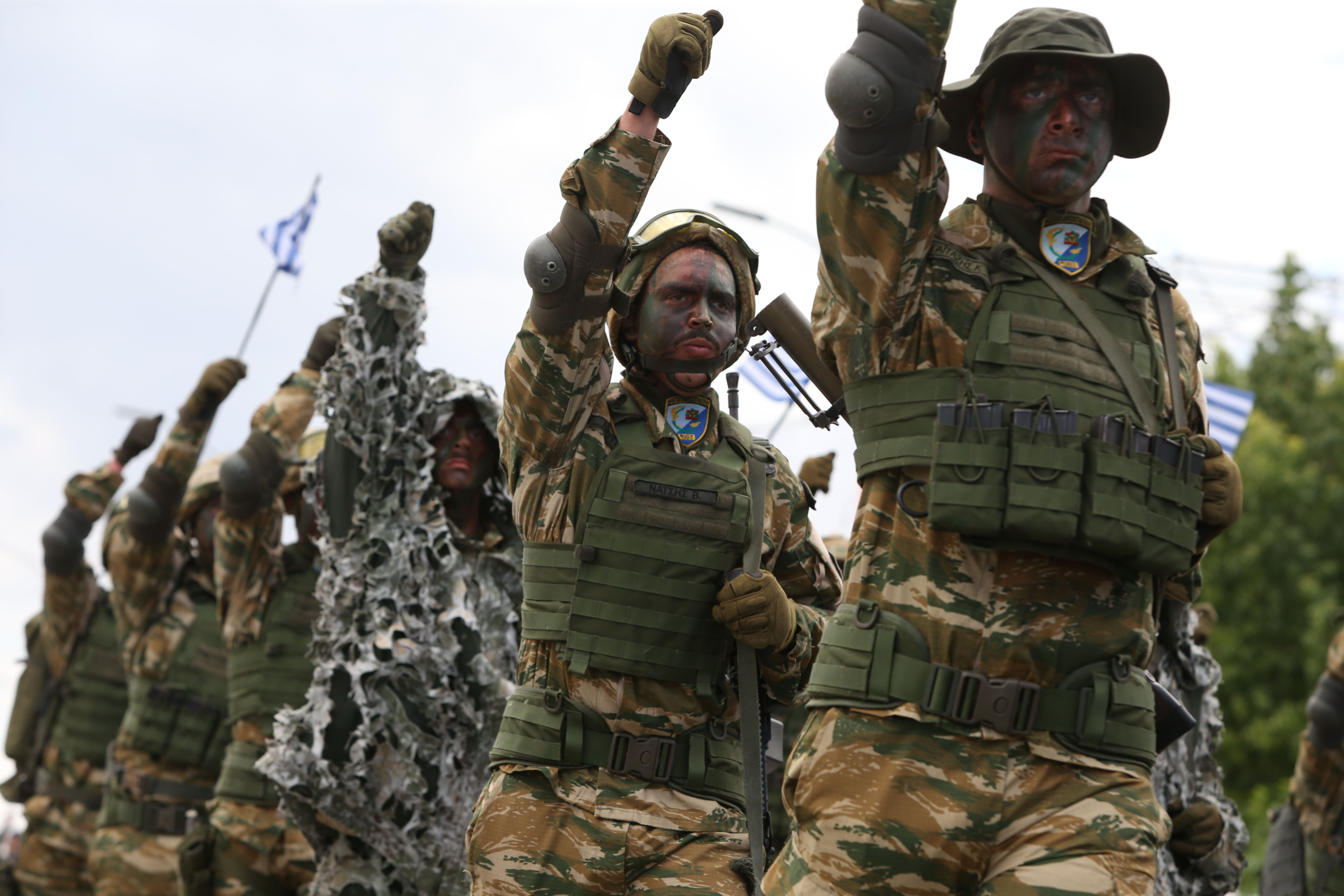
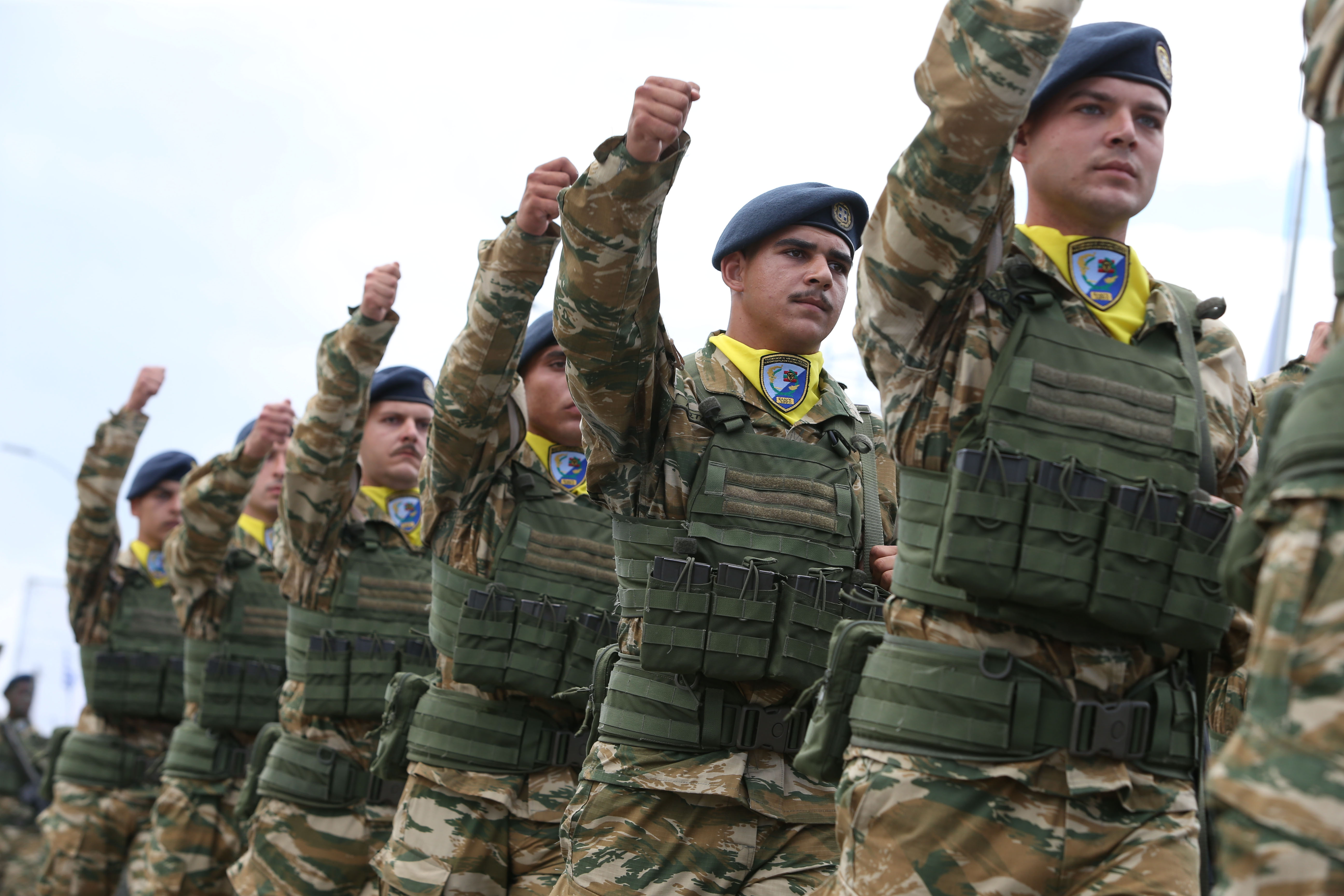
Strengthening the National Guard and upgrading Cyprus’ deterrent capability remained a “non-negotiable priority”, he said, stressing that this was not directed against any other country.
“The Republic of Cyprus is not turning against anyone, but through upgrading its deterrent capability it is exercising its right to defence against the existing dangers surrounding it,” he said.
On foreign policy, Christodoulides said Cyprus was seeking to turn its geographical position in an unstable region into a “strategic advantage”, describing the country as a hub for stability, civilian evacuations, humanitarian aid and regional cooperation.
He also pointed to what he described as Cyprus’ strong economic performance, including economic growth, employment and a reduction in public debt.
However, he acknowledged the pressure faced by households and workers from high inflation, rising prices caused by the energy crisis as well as housing costs.

He said the state’s financial position had allowed the government to introduce measures targeting vulnerable groups, the middle class, households and businesses, while pursuing policies intended to increase disposable income.
These included tax and pension reforms, expanding eligibility for child benefit, subsidies for children’s tuition and meals, support for elderly care and employment and vocational programmes for adults with disabilities.
Turning to the anniversary itself, he paid tribute to those who took part in the 1955-59 Eoka struggle and to those who subsequently defended the Republic’s constitutional order, independence, sovereignty and territorial integrity.
He said Cyprus had rebuilt its state, economy and society following the events of 1974 and had gone on to join the European Union in 2004, developing an international role greater than its geographical, demographic and economic size might suggest.
Nevertheless, he said the continuing occupation of 37 per cent of the Republic’s territory remained a threat to the country and restricted its future prospects.
Christodoulides pledged that Cyprus would “never compromise with the faits accomplis of illegality” and would continue its efforts until its people could move freely throughout the Republic.
He said his vision was of a common homeland for Greek Cypriots, Turkish Cypriots, Maronites, Armenians and Latins, without discrimination or exclusion.
“This is the future we envision for our people,” he said. “This is the future we owe it to our children to deliver.”





Click here to change your cookie preferences