
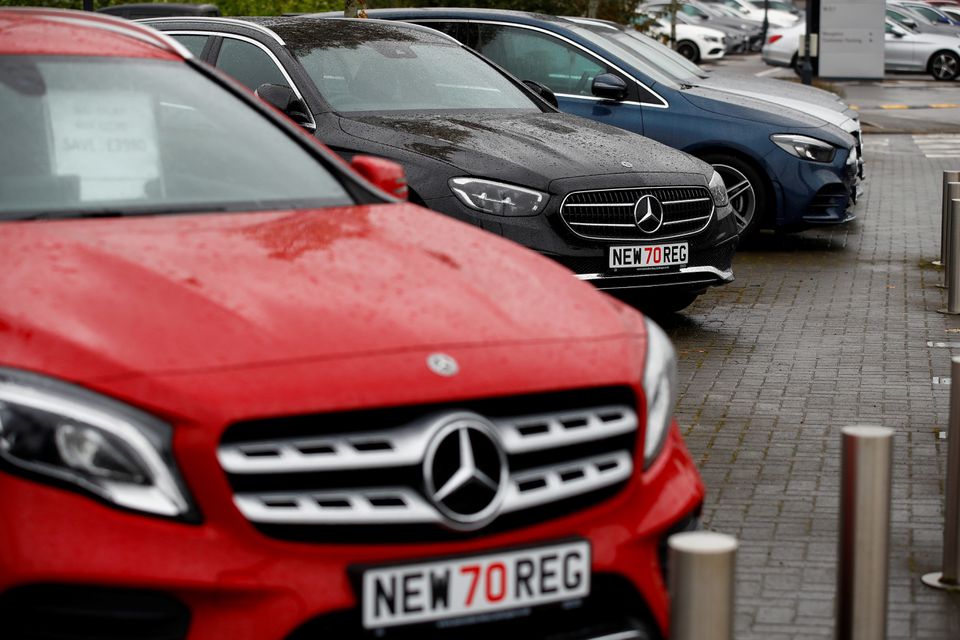
British new car registrations rose nearly 12 per cent in July, marking their best performance since 2019 as battery electric vehicle (BEV) sales reached another record, industry data showed on Wednesday.
EV sales have been supported by higher fuel prices following the Iran war, a wider choice of lower-cost models, government grants and manufacturer discounts.
Growth, however, remained below the pace needed to meet the government’s targets on the path to net zero.
The Society of Motor Manufacturers and Traders (SMMT) said 156,571 units were sold in the month, up 11.7 per cent from last year with BEV market share reaching 27.5 per cent.
While automakers have been pushing to meet government targets for EV sales, heavy discounts to offset slow demand and avoid compliance costs have pressured the manufacturers.
“July’s record EV performance is a great achievement, reflecting industry’s huge investment in zero emission mobility. But that progress cannot be sustained if manufacturers continue haemorrhaging billions in EV discounts, distorting demand to avoid even steeper penalties,” SMMT CEO Mike Hawes said in a statement.
The body uplifted its BEV market share forecast for 2026 to 27.4 per cent of the total cars sold, up from the 26.8 per cent it had guided to in April, but still behind the 33 per cent mandate target.
BEVs market share is now expected to hit 32.1 per cent in 2027, trailing mandate target of 38 per cent.
Data from New Automotive released on Tuesday, showed BEV market share had reached 27.4 per cent in July. The two bodies use different data sources and calculation methods.




Click here to change your cookie preferences