
The government announced on Monday that €95 million has been approved for major upgrades of the national electricity grid, with the associated targeted actions expected to expand the grid’s capacity and allow for greater penetration of renewables into the energy mix.
The €95 million investment is co-financed by the European Union to the tune of 70 per cent. The funds will come via the Just Transition Fund, which in Cyprus is integrated into the Thalia 2021-2027 Cohesion Policy Programme. It finances key green conversion initiatives, upgrades to the national electricity grid, public transport electrification, and a new Green Technical School in Nicosia to support a ‘fair’ economic transition.
As such, the statement read, the cost of the investment will not be passed on to consumers via electricity bills.
The various actions are slated to be completed by December 2029. They concern specific upgrades to existing infrastructures and facilities, as well as the installation of new, advanced systems that will enhance grid flexibility.
“These interventions constitute an important step, creating the necessary preconditions for the gradual evolution of the electrical grid and the further utilisation of renewables,” the finance ministry said.
But, it added, “they do not on their own make for a comprehensive solution to the challenges of energy transition”.
Nor will implementing these actions automatically drive down electricity prices for consumers.
Describing the upgrades, the government said these chiefly relate to modernising existing transmission substations as well as building new primary substations in high-demand areas.
Specifically, the transmission substations at Strovolos, Orounta, Akoursos, Papacostas, Ipsonas and Mari will be upgraded, as will the primary substation at Lanitio.
In addition, a new primary transmission substation will be created at the new port of Limassol.
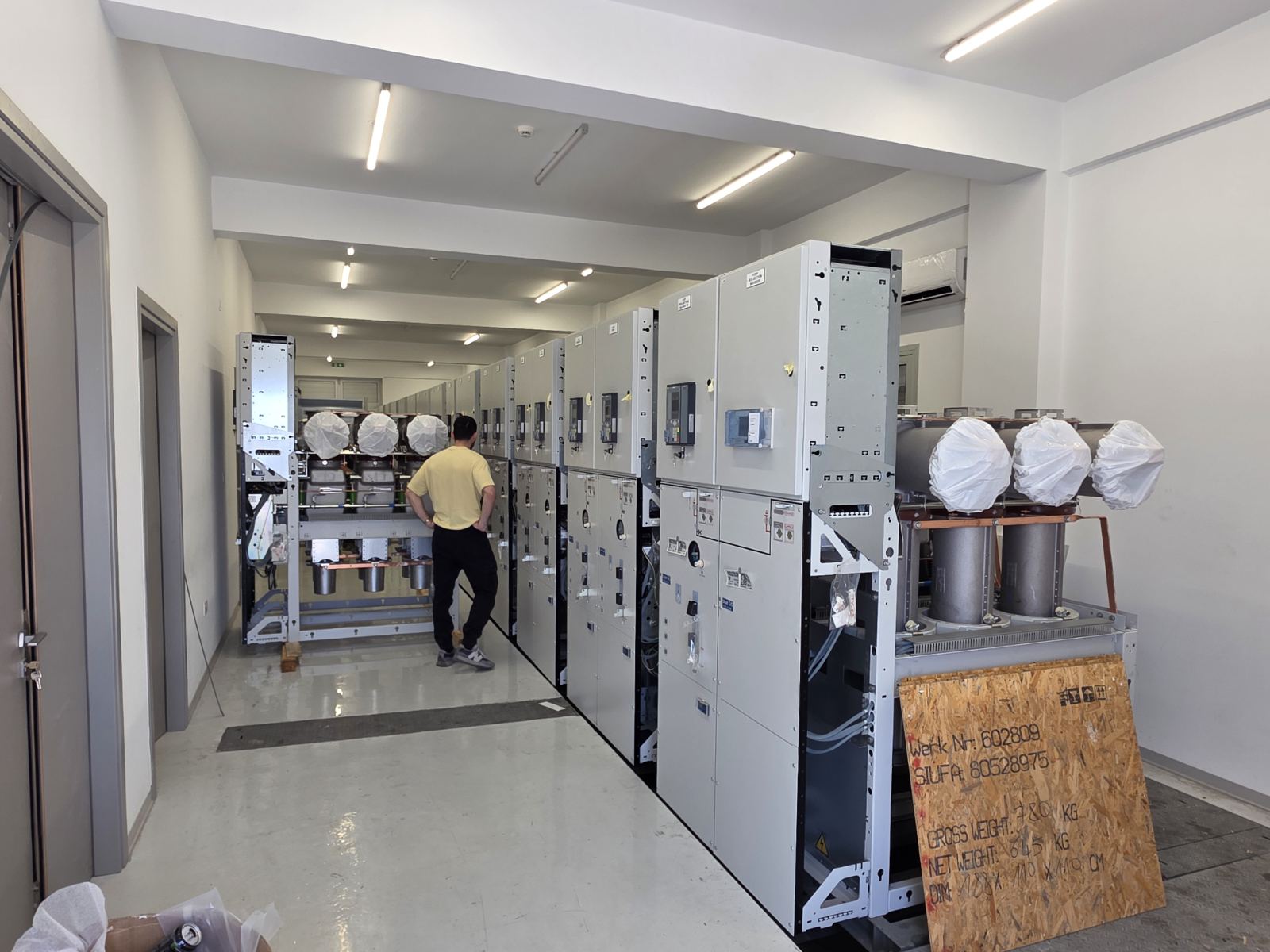
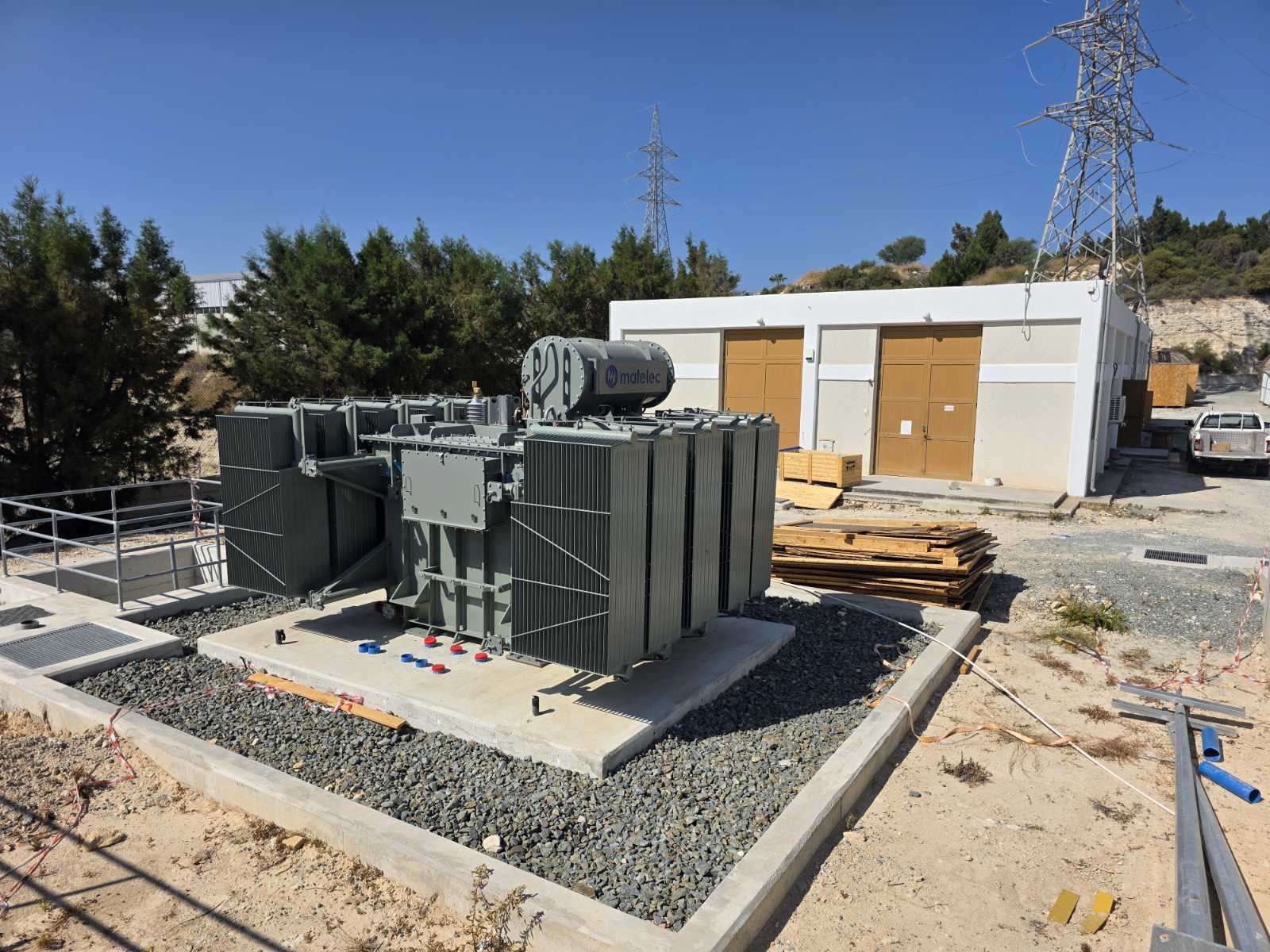
The works additionally concern the installation of new transformers, high and medium-voltage panels, and advanced protection and remote-controlled systems.
“These are expected to increase the transmission grid’s capacity, limit bottlenecks and enhance the reliability and security of power supply.”
Another facet is the automation of the medium-voltage transmission grid via the installation of Scada/Adms systems.
Scada (Supervisory Control and Data Acquisition) handles real-time, device-level data collection and remote command. Adms (Advanced Distribution Management System) expands this by merging Scada with outage management and grid analysis into a single, cohesive software platform to automate and optimise power distribution.
Additionally, the actions include installing a fibre-optic grid for the transmission system, allowing for the transmission of large data volumes. This will include data sent from smart metres to distribution substations.
Altogether, the upgrades will improve grid management and contribute to reducing the risk of breakdowns and outages.
“At the same time, expanding capacity will create the conditions for further integration of renewableas and energy storage systems, gradually mitigating…the current curtailments to green energy production.”





Click here to change your cookie preferences