
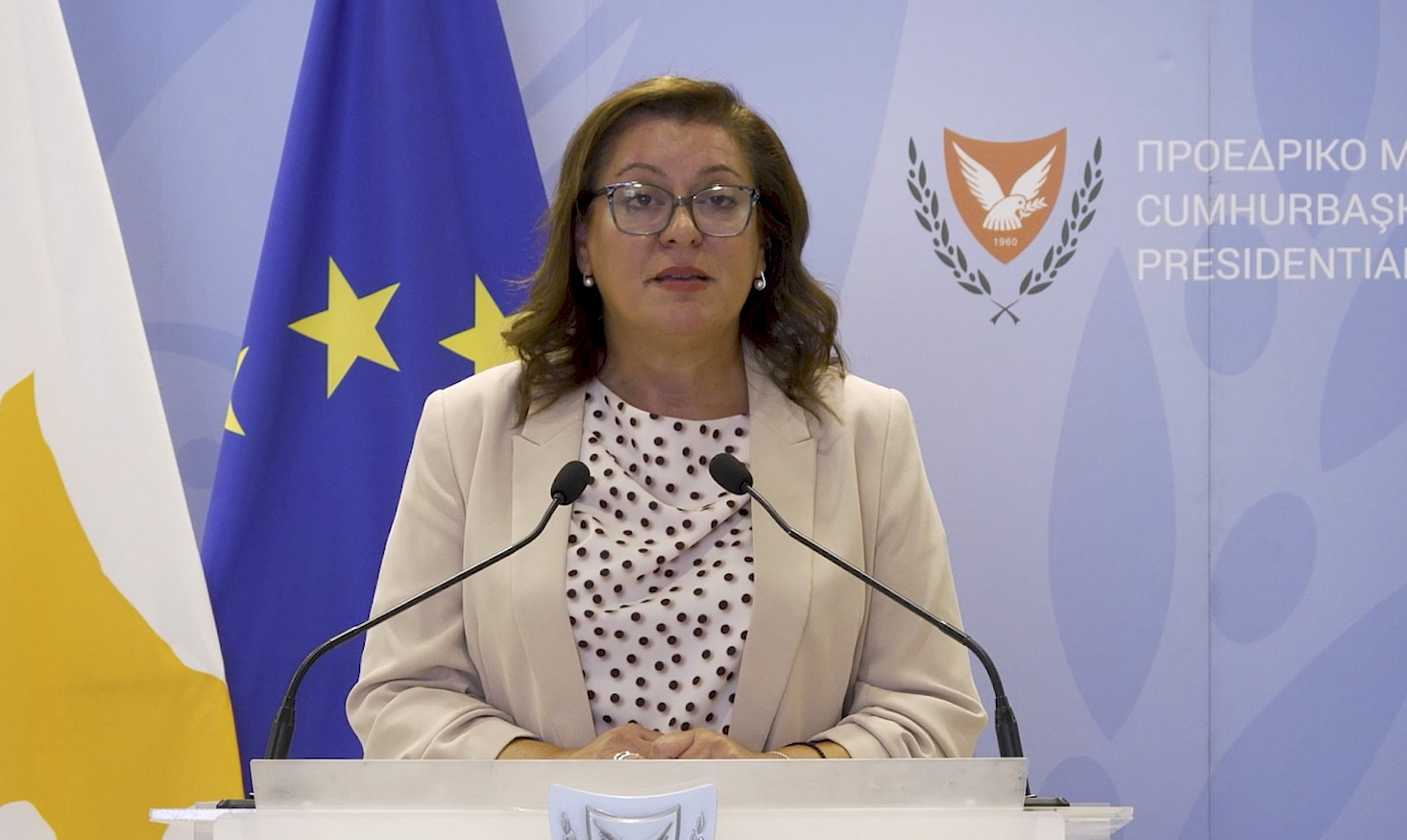
The number of all-day schools has risen to 381, up from 220 in 2023, Education Minister Athena Michaelidou announced on Tuesday, following a decision by cabinet to expand the scheme ahead of the new school year in September.
Speaking at the presidential palace after the cabinet meeting, Michaelidou said the increase came with a corresponding rise in funding, with the budget for the programme now standing at around €6 million.
Michaelidou said the government’s approach went beyond expanding the number of schools taking part.
“Our action is not merely just numerical increase, but rather substantial improvement, since we have made great effort towards improving the working conditions of our teachers,” she said.
Teachers working in the programme now hold contracts issued through the educational service committee, with structured schedules in place.
School headmasters will now oversee both morning and afternoon lessons, with ministerial inspectors also carrying out evaluations.
The expansion builds on a pilot scheme launched at the Ayios Dhometios gymnasium in Nicosia, which introduced an optional all-day programme for twenty first-year pupils.
That programme, run with support from both the EU and Unesco’s education sector, combined homework guidance in mathematics and Greek with creative activities including sport, art and theatre.
It formed part of the EU’s project for an ‘educational area’, which aims to address the proportion of fifteen-year-olds classed as low achievers in reading, mathematics and science to below fifteen per cent by 2030, alongside a target of fewer than nine per cent leaving school early.
The European Commission has previously said all-day schooling helps keep children safe and supports parents, particularly single mothers, in remaining in the workforce by reducing the burden of after-school care.



Click here to change your cookie preferences