
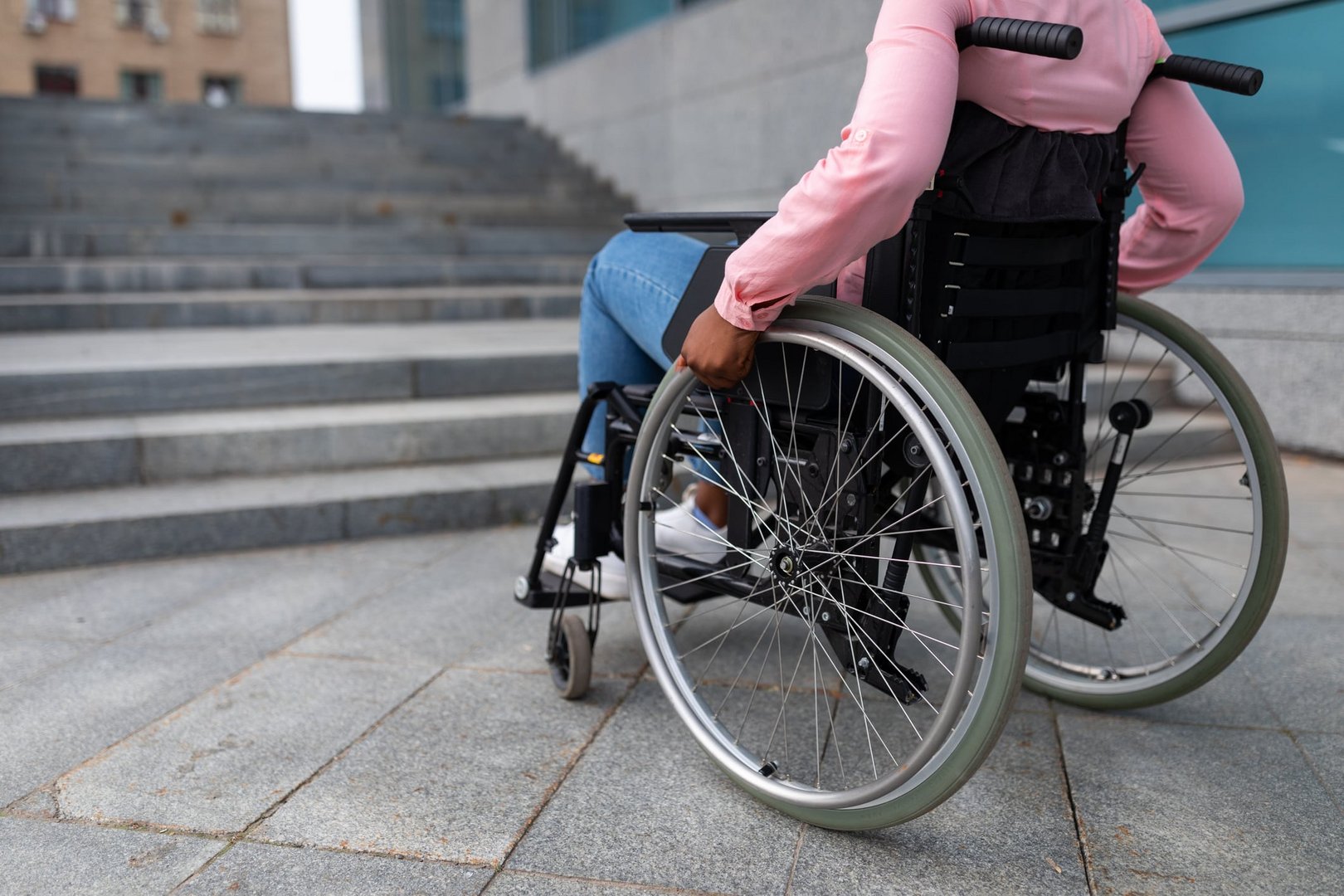
Government spokesman Konstantinos Letymbiotis on Thursday announced that an extra €106 million had been allocated to increase state benefits for disabled people between this year and 2028.
“Simply put, more support, without new applications, without bureaucracy and without new hassle,” he said of the new benefits.
The first change is that benefits offered to families with disabled children aged under 18 years old will rise from €848 to €935 per month, while benefits for disabled people aged 18 years old and over will rise from €368 to €405 per month.
Additionally, the allowance for blind people and people with severe mobility disabilities will increase by 10 per cent, while the mobility allowance had been increased by 33 per cent in July.
“These increases will be paid automatically. Existing beneficiaries do not need to submit a new application, fill out forms, or follow any new procedure,” he said.
He also stressed that the increases announced on Thursday would apply retroactively from the beginning of the year, with the amounts for this year to be paid within the final three months of it.
Additionally, he announced that “the change is not limited to amounts”.
“Until now, in many cases, the support of a person with a disability was linked to their family’s income. The new policy begins the decoupling of disability benefits from income criteria for people with severe disabilities,” he said.
On this front, he said that “the logic is clear”, and that “disability itself creates additional needs and costs, regardless of family income”.
He then made reference to the government’s already announced plans to reform the education system for disabled people, with the it having been announced earlier this month that a personalised plan will be curated for each graduate of special education before they leave the system at the age of 22.
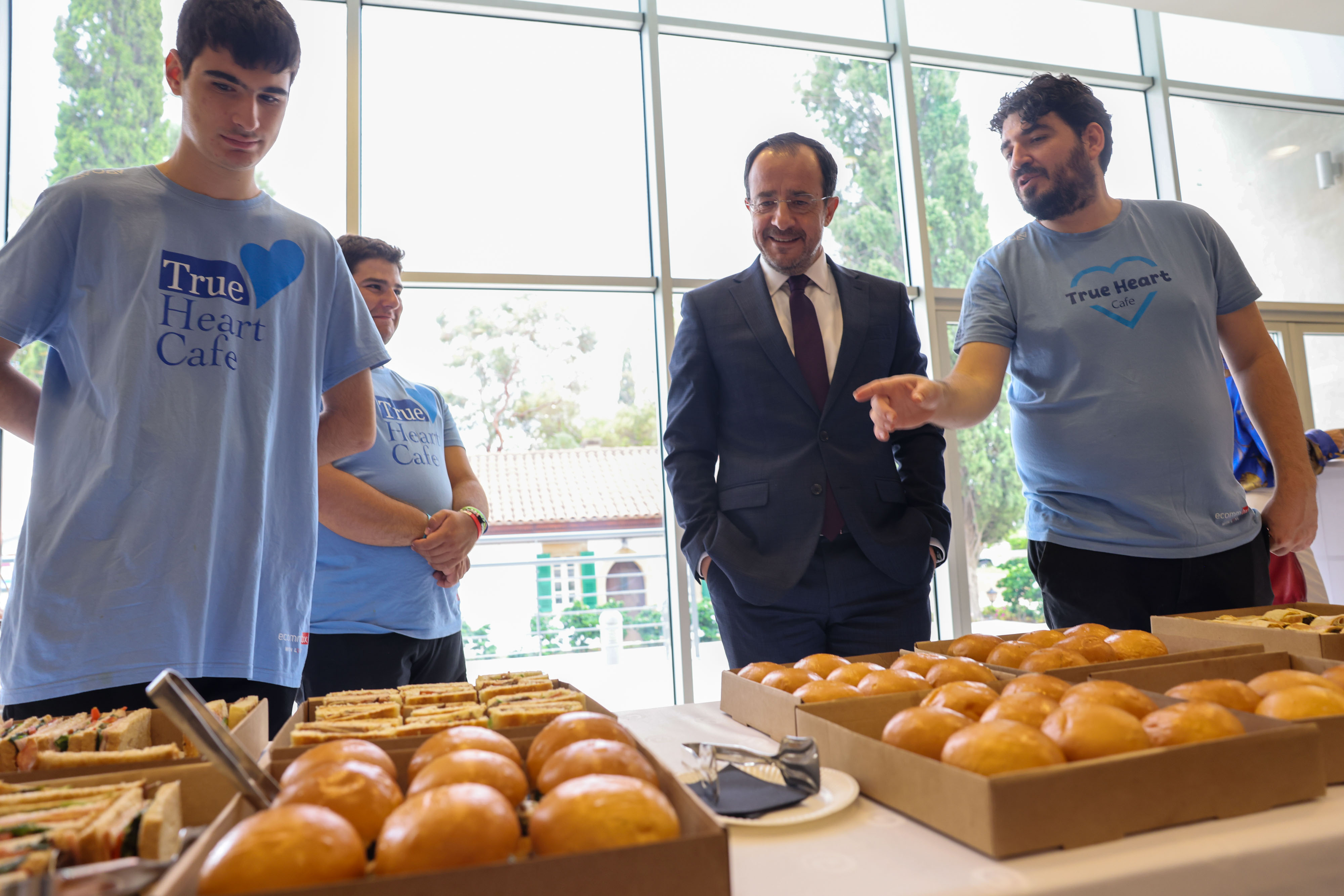
These plans will be complemented by an increase in the subsidies offered to “social enterprises” from €10,000 to €25,000 when they hire people for “special purposes” – a term which typically denotes temporary hires.
The government said that this subsidy will be offered until 2030, while investments in social enterprises will not be taxed up to a value of €150,000.
At present, it said, around 460 people partake in employment programmes with government support.
In addition, the government said that post-secondary education programmes will be offered to people with special needs aged over 22, while personal professional helpers and vocational teachers will also be provided.
As such, school leavers with disabilities who wish to stay in education past the age of 22 years old will be offered a place in a new “inclusion and professional empowerment” programme at post-secondary vocational education and training institutes across the island.
The government also promised that day centres will be opened in the near future, subsidised by €4m worth of government funding.
Additionally, the centres will offer 30 education programmes for adults with disabilities, while the government will offer €300 worth of grants to each day centre attendee for transport to and from the centre.




Click here to change your cookie preferences