
However, questions remain over the quality of Lebanon’s domestic grid
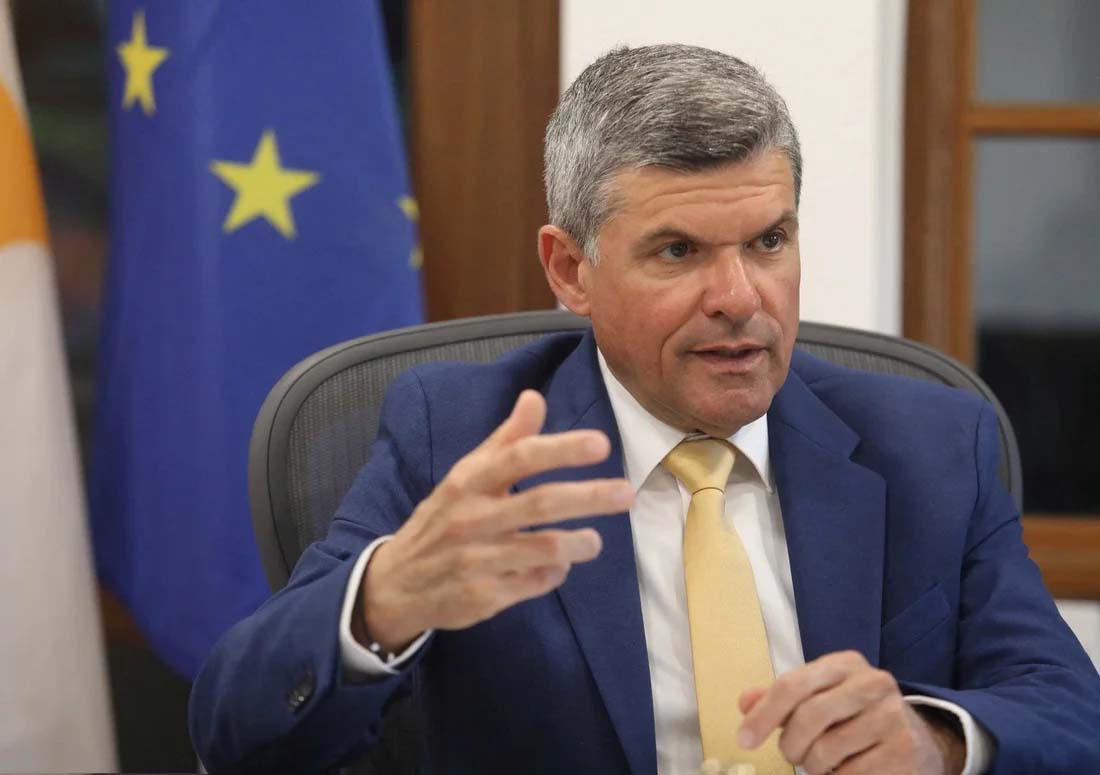
A planned undersea electrical interconnection cable linking Cyprus and Lebanon would allow the island to send energy there that it generates through renewable sources, which at present goes to waste, former energy minister George Papanastasiou said on Wednesday, with official talks on the project now having begun.
He explained to the Cyprus Mail that the island’s current renewable energy infrastructure can at the peak of its production generate much more than what can be consumed, which at the moment leads to that infrastructure, typically solar farms, being temporarily cut off from the grid to avoid overload.
As such, he said, the undersea cable would offer Cyprus “an outlet to push green energy to Lebanon”, though he did stress that such a cable would not allow the island to sidestep the issue of the lack of energy storage facilities.
“You would still need the storage facilities. Otherwise, you would be sending unstable and unreliable energy. The batteries which they plan to install would still need to be installed, even with the cable,” he said.
Those storage facilities were to be built to allow the energy generated at peak production times to then be used outside of those hours, with Cyprus at present relying more heavily on fossil fuels during the night and during inclement weather, though it appears that now, they will also be used to send electricity to Lebanon.
For Lebanon, the benefits of the cable appear more obvious, with Papanastasiou saying that it will offer the country “security of supply” and a “stable supply” of electricity, provided that Cyprus’ own grid and energy supply remains stable.
However, he said, problems may still present themselves on the Lebanese side.
“There is no national grid of which to speak in Lebanon. Many compounds exist as standalone electricity islands with their own generators. There may be a grid of sorts, but it is in a state of destruction,” he said.
Cable will be easier to design than that of Great Sea Interconnector
Nonetheless, he said that the task at hand for those involved in the talk will be to “sit down and conduct a study” regarding the feasibility of such a project.
“Given that Lebanon is currently under the observation of the World Bank, it was decided that they would be asked to fund the study.”
Any agreement of substance, he said, would require the consent of the two regulators, with Cyprus being represented by the Cyprus energy regulatory authority (Cera), and Lebanon having founded its own equivalent, named the Lebanon electricity regulatory authority, in September last year.
He said that these agreements will see the project “landed” in a three-step process, the first of which will be a cost-benefit analysis.
Should that analysis conclude that the project is viable for both countries, the two regulators will then sign a “cross-border cost allocation” agreement, in which it will be determined the proportion of the project’s cost each country will pay.
The third step, he said, is the “design”, which, in this instance, is “easier than the Great Sea Interconnector”, the planned linking of the electricity grids of Cyprus, Greece, and Israel, as the cable will cover a much shorter distance.
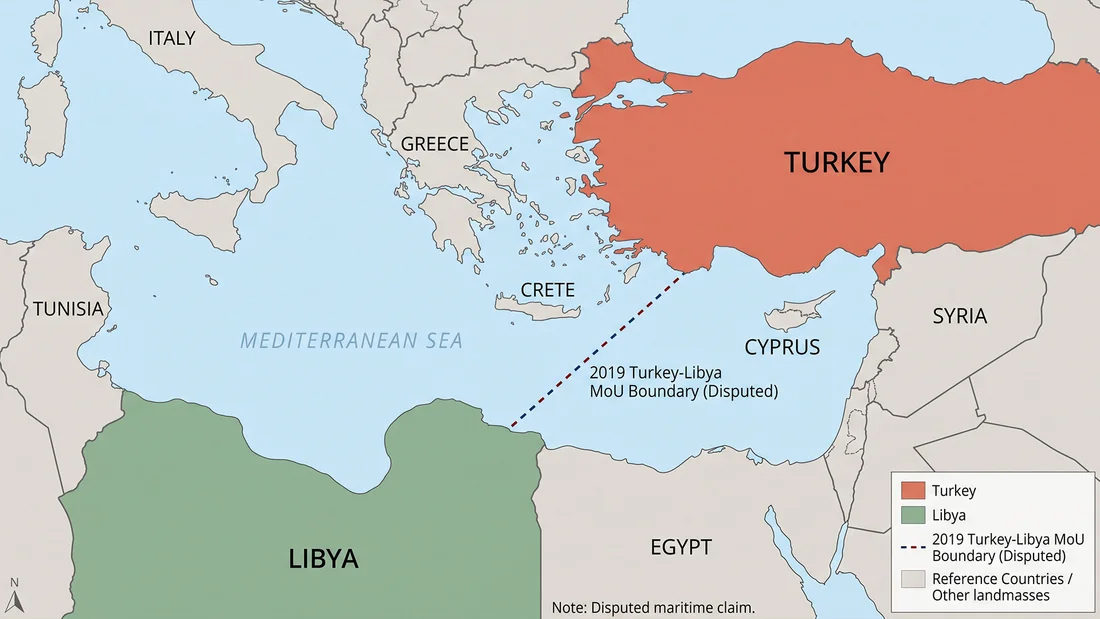
He said that the project will also entail a “geopolitical element, related to Turkey”, and that on this front, “we expect that there will be a reaction from Turkey” to the project, though he did say that he believed that any potential Turkish objection “would not be based on any kind of international law”.
Tensions may be raised over undersea cables
Wednesday’s talks come after the governments of Cyprus and Lebanon, as well as the World Bank, had agreed in July to prepare a preliminary feasibility study regarding the possibility of the creation of an undersea cable linking the two countries.
Lebanon, like Cyprus, is isolated from neighbouring grids, though Lebanon signed a deal with Syria on July 2 with the aim of creating an electricity interconnection between the two countries, and two plans to connect Cyprus’ grid with its neighbours have already been put forward, though only one of those has been endorsed by the Republic of Cyprus.
The plan endorsed by the Republic of Cyprus is named the Great Sea Interconnector, with it expected that a navtex, a message used to transmit information to seaborne vessels, will be issued in the coming weeks to warn sailors of plans to conduct seabed surveys for the laying of cables between Cyprus and Crete.
That navtex is expected to refer to waters which are disputed between Turkey and Greece, with Greek Foreign Minister Giorgos Gerapetritis having indicated that Greece would be prepared to send warships into the disputed waters should tensions escalate over the matter.
The other planned interconnection project, touted by Turkey and the Turkish Cypriot authorities, foresaw that an undersea cable would be built to link the island’s energy grid with that of Turkey.
However, the European network of transmission system operators for electricity (Entso-E) has not included plans for a cable linking Turkey and Cyprus in its ten-year development plan, and said that the Great Sea Interconnector “is the only interconnector project connecting the Republic of Cyprus” in its plans.




Click here to change your cookie preferences