
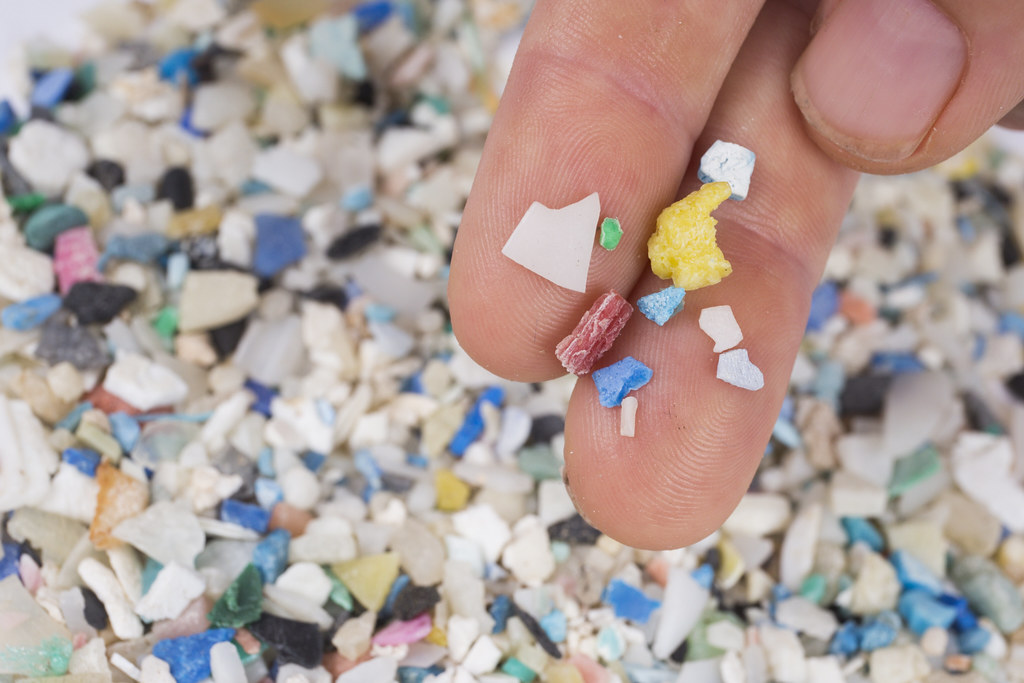
Microplastics have been detected for the first time in the urine of primary school children in Cyprus, according to a study published on Wednesday.
In a jointly released statement, researchers from Italy’s University of Catania, the Cyprus Institute and the technological university (Tepak), said polyethylene and polypropylene were the types most frequently found in the samples.
It added that the finding suggests children may be exposed to the particles in ways that allow them to enter and circulate within the body.
Researchers used advanced laboratory methods to detect the small plastic particles and identify their type.
The study also found variation in the amount of microplastics detected between individual children, though the institute cautioned against reading too much into this.
Given the limited number of children involved and the largely descriptive nature of the analysis, it said, the differences “should not be taken as evidence of clear differences between groups”.
“The findings are preliminary and should be interpreted with caution,” the institute said, as to confirm whether microplastics are systematically present in children’s urine would require larger studies.
The research forms part of a growing body of international work examining human exposure to microplastics, which have previously been detected in blood, placental tissue and breast milk in studies conducted elsewhere.
Polyethylene and polypropylene, the two types identified in the Cyprus samples, are among the most widely produced plastics globally, used in packaging and containers.





Click here to change your cookie preferences