
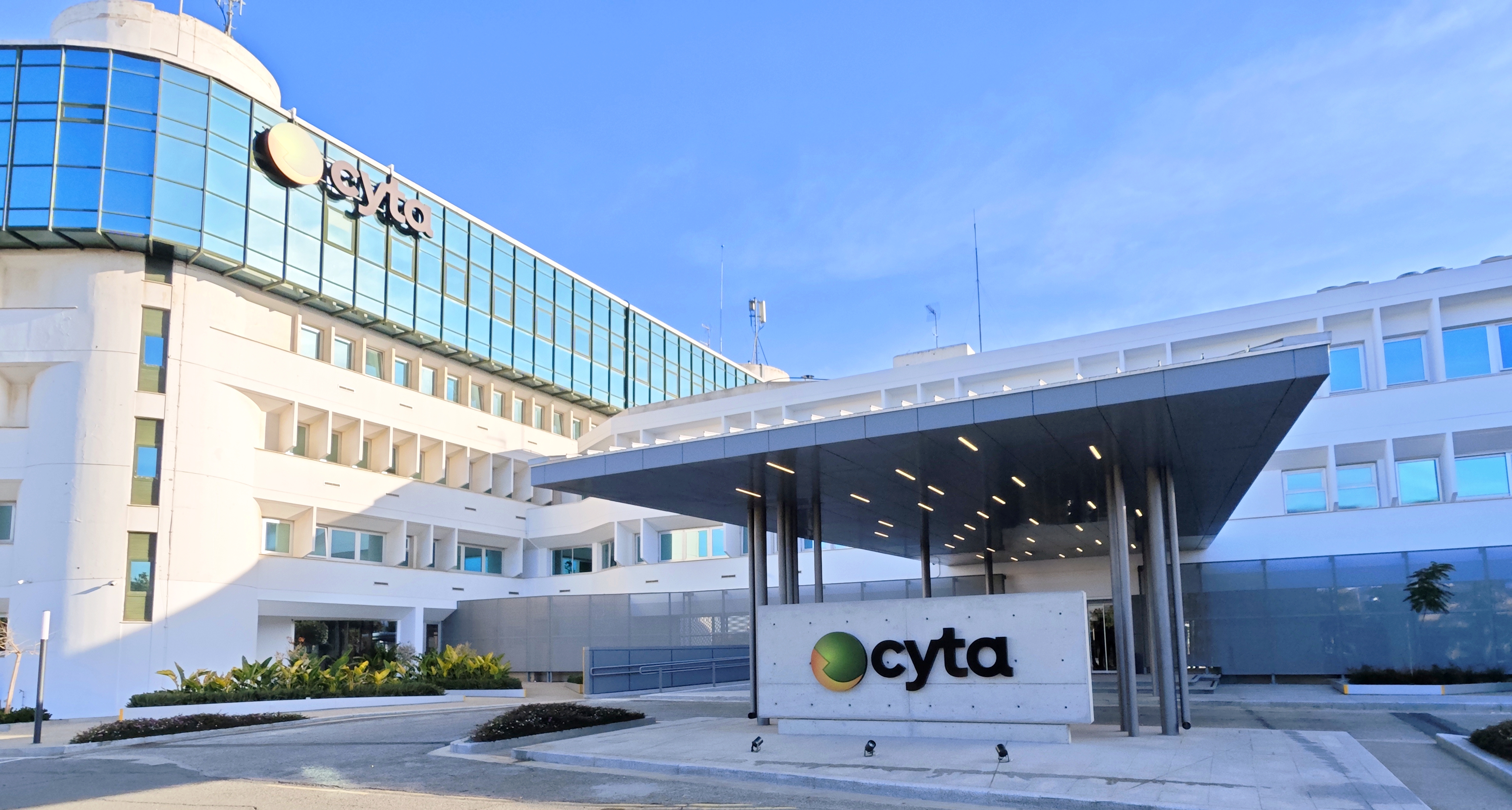
The removal of Loizos Economides from the board of directors of Cyta came under renewed criticism on Friday, with the Pase-Cyta union accusing the government of failing to explain the reason for his replacement.
In a statement, the union said Economides’ resignation “flatters neither the institutions nor the president”, particularly because the reason for the decision had not been announced.
Pase-Cyta said the departure represented a serious blow to the “perception of meritocracy, institutional consistency and the substantial utilisation of people who know the organisation firsthand”.
It also criticised the intervention of the Cyta employees’ union Aset, describing it as “misguided, legally unfounded, irregular and politically unacceptable”.
Economides’ appointment had been challenged after Aset raised concerns over a possible conflict of interest, whereupon the government subsequently announced that he would be replaced.
Economides is a retired senior Cyta executive whose wife remains employed by the organisation.
Aset also raised his involvement in the management committee of the staff pension and benefits fund and his previous role as vice president of the staff union.
Pase-Cyta rejected the suggestion that his appointment was made as a representative of the union, saying it was made “in his personal capacity”.
The union described Economides as “a worthy, experienced and qualified person” with more than 30 years of service at Cyta and argued that his experience gave him detailed knowledge of the organisation.
The dispute follows criticism of the process used to appoint boards of semi-government organisations.
Akel has alleged that certain individuals were appointed without first applying through the advisory council, arguing that this would undermine the body’s role in the selection process.
The government appointed around 85 board members for 11 semi-state organisations and public bodies.
Akel had described the controversy surrounding Cyta as evidence of wider problems with the appointments system, saying semi-state organisations were “not a field for paying off political bills”.





Click here to change your cookie preferences