
A separate dispute emerges over Greek Cypriot efforts to discourage diplomats from meeting Turkish Cypriot representatives
The two sides have offered conflicting accounts of why a three-way meeting with UN Secretary-General Antonio Guterres did not take place in New York, as a separate row emerged over a Greek Cypriot request for foreign diplomats to refrain from meeting Turkish Cypriot representatives.
President Nikos Christodoulides said the Turkish Cypriot side had responded negatively to the prospect of a meeting to explore new ideas which he said had been positively received by Guterres, while Turkish Cypriot leader Tufan Erhurman disputed the Greek Cypriot side’s account of how the proposed meeting emerged and why it did not take place.
The dispute comes at the end of a week of intense diplomatic activity in New York, during which both sides held contacts with the UN and foreign diplomats.
Christodoulides met Guterres on Thursday and said afterwards that the UN chief was considering holding a three-way meeting with himself and Erhurman.
He said he had told Guterres he was prepared to extend his stay in New York if necessary for such a meeting to take place, but acknowledged that “there must be a response from the other side as well”.
The failure to hold a joint meeting also came after Christodoulides had arrived in New York publicly raising expectations of possible “significant developments” towards the resumption of talks.
Those expectations came despite the conditions set out by Guterres during his July visit to Cyprus having yet to produce agreement. The UN chief had said another 5+1 would be convened after “adequate preparation” on confidence-building measures, methodology and substance, making clear that he did not want another expanded meeting without results.
By the time the two leaders held their final meeting in Nicosia before New York, there was still no agreement on confidence-building measures or methodology, while there had been no progress on opening new crossing points.
Two versions of the proposed meeting
On Friday, reports citing Greek Cypriot government sources said Erhurman had not agreed to the proposed meeting.
Erhurman, however, gave a different account in comments to ANKA Review, cited by Politis.
He said there had been no scheduled three-way meeting which the Turkish Cypriot side had rejected, and recalled that before travelling to New York it was already known that neither a trilateral nor a 5+1 meeting was on the programme. Guterres has said as much before the UN General Assembly took place.
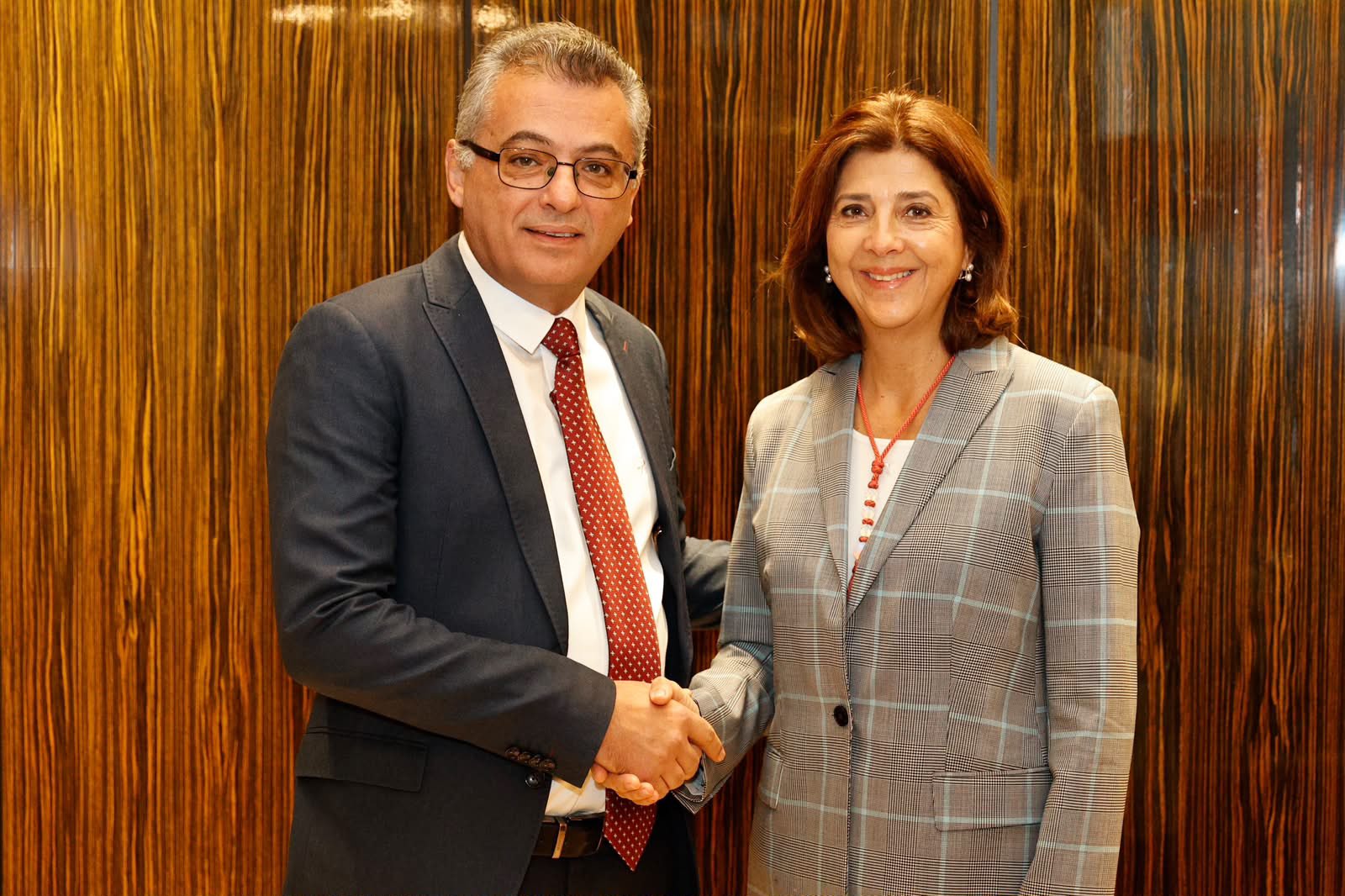
According to Erhurman, Christodoulides raised the possibility of a 2+1 meeting during his meeting with Guterres on Thursday, after which the proposal was conveyed to the Turkish Cypriot side by the UN Secretary-General’s personal envoy for Cyprus, Maria Angela Holguin.
Erhurman said he asked Holguin whether the Greek Cypriot side had given a commitment that substantive progress would be made and said he did not receive a positive response.
He also said he asked for Holguin’s assessment of the discussions and claimed her assessment was not positive either.
“They wanted it to appear that there was a reason and basis for the meeting and that we rejected it. We did not fall into the trap,” Erhurman told ANKA Review.
Erhurman says preparation must come first
He maintained that the Turkish Cypriot side was not opposed to either a three-way or a 5+1 meeting, but wanted sufficient preparation and progress beforehand to ensure that such meetings would have a prospect of producing results.
Before travelling to New York, Erhurman had called for the next enlarged meeting to be one “where success is guaranteed”, saying progress should first be achieved on confidence-building measures, methodology and substantive issues.
Christodoulides says ideas were positively received
Christodoulides, meanwhile, said on Friday that Guterres had assured him he would continue working until the last day of his term towards concrete progress and the resumption of negotiations.
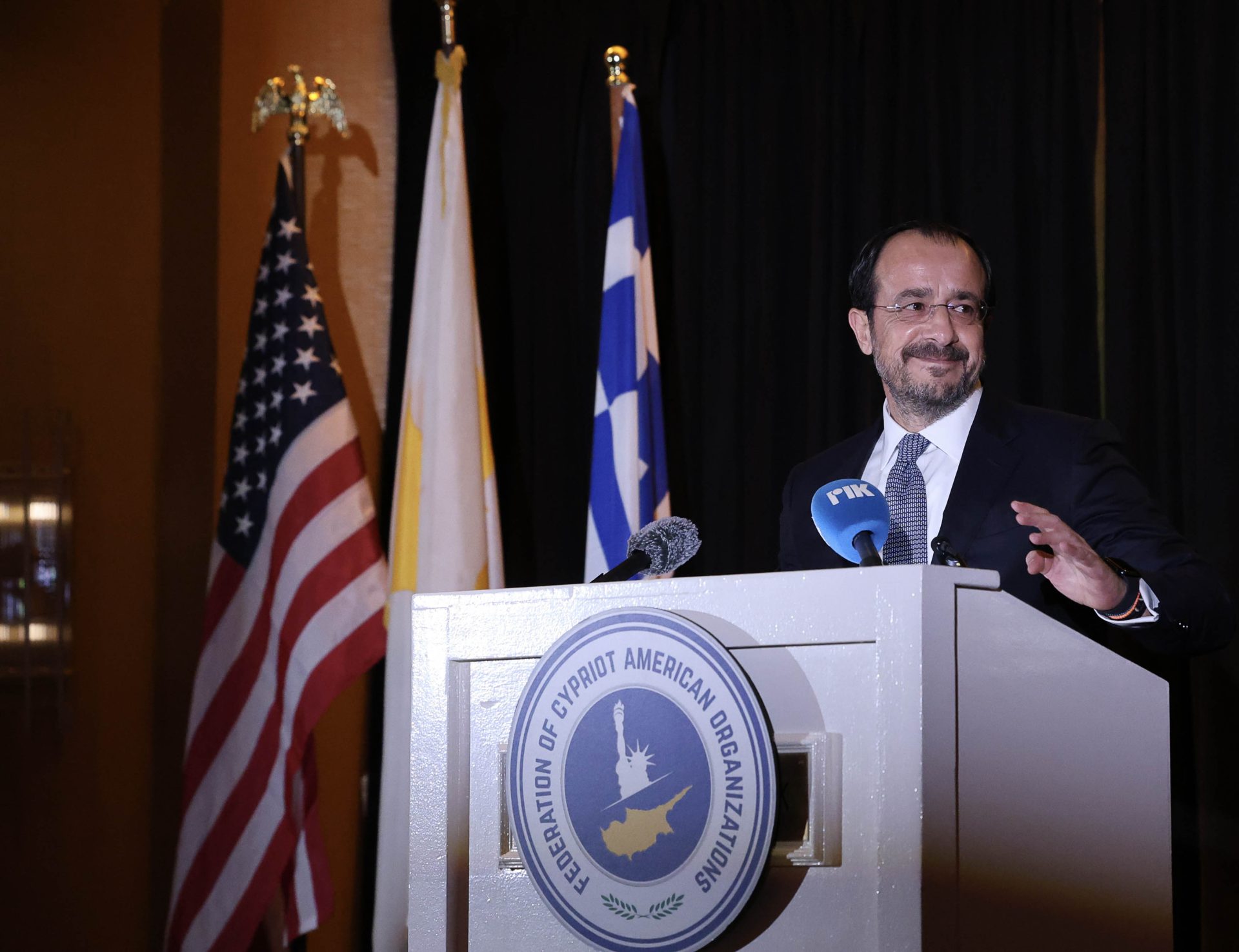
Speaking at an event organised by the Cypriot diaspora in New York, the president said he had presented Guterres with new ideas concerning the substance and methodology of negotiations and confidence-building measures.
“We came to New York, we had an excellent meeting with the UN secretary-general, we presented new ideas concerning the substance, the methodology, the confidence-building measures, ideas which demonstrated once again in practice our political will and which were positively received by the secretary-general and could pave the way for the resumption of negotiations,” he said.
“Unfortunately, the Turkish side responded negatively.”
Christodoulides said Guterres “told us that until the last day of his term he will continue working for concrete progress towards the resumption of talks, and we believe in him”.
He also pointed to his meeting with representatives of the five permanent members of the UN Security Council, saying he had received assurances that neither the agreed basis for a Cyprus settlement nor the negotiating acquis would disappear with the eventual change of UN secretary-general.
“My message to those who choose a negative approach, hoping for a departure from these with the end of the secretary-general’s term, is that under absolutely no circumstances will this happen,” he said.
A second diplomatic row
The disagreement over the proposed meeting unfolded alongside another diplomatic dispute in New York.
A letter sent by the Republic of Cyprus’ permanent mission to the UN asked permanent missions and observer missions to refrain from contacts or meetings with Turkish Cypriot representatives.
The letter invoked relevant UN Security Council resolutions and said the government had information that Turkish Cypriot representatives were taking advantage of the presence of high-level officials in New York to request meetings and promote what it described as “secessionist policies”.
“Under the light of the above, and based on information that representatives of the secessionist entity are abusing the presence of high-level officials in New York to disseminate their secessionist policies by requesting meetings, the Permanent Mission of Cyprus invites Permanent Missions and Permanent Observer Missions to refrain from any contact or meetings with these individuals in accordance with the relevant UN Security Council resolutions,” the letter said.
Turkish Cypriot newspaper Kibris on Saturday made the issue its front-page lead under the headline “Diplomatic scandal”, arguing that the move was an attempt by the Greek Cypriot side to restrict Erhurman’s international visibility and diplomatic contacts during UN General Assembly week while at the same time calling for the resumption of negotiations and dialogue.
Turkish Cypriot contacts continue
The request did not, however, prevent a series of contacts involving Erhurman’s special representative Mehmet Dana in New York.
According to a Turkish Cypriot written statement, Dana met UN Under-Secretary-General for Political and Peacebuilding Affairs Rosemary DiCarlo.
He also met Pakistan’s permanent representative to the UN, Asim Iftikhar Ahmad, Switzerland’s deputy permanent representative Oliver Hoehne, Russia’s deputy permanent representative Alexander Repkin and France’s deputy permanent representative Jay Dharmadhikari.
Dana additionally met Greek Cypriot negotiator Menelaos Menelaou and Holguin in New York.
“During these meetings, the latest developments on the Cyprus problem were discussed and views were exchanged,” the statement said.
The diplomatic contacts are particularly notable in light of the Republic’s letter asking UN missions to refrain from meetings with Turkish Cypriot representatives.
The letter is the latest point of friction over the Turkish Cypriot side’s international contacts and the Greek Cypriot side’s efforts to prevent steps which it considers could contribute to the recognition or upgrading of the north.
A similar dispute emerged in August when diplomatic sources told the Cyprus Mail that the foreign ministry had contacted embassies in Nicosia and discouraged diplomats from attending a briefing by Dana.
Trust remains the sticking point
Erhurman has repeatedly linked such moves to the question of trust between the two communities.
In his ANKA Review comments, he said confidence-building was not only a matter of introducing new measures but also of stopping actions which the Turkish Cypriot side considers damaging to trust.
He cited efforts concerning two festivals and an FC Barcelona youth football academy camp, contacts in the buffer zone and European Parliament resolutions among his examples.
The dispute comes as both sides continue to publicly support Guterres’ efforts, but remain divided over how and under what conditions the next stage of the process should proceed.
Guterres had said before this week’s meetings that much work remained to be done, while Erhurman has argued that an enlarged meeting should only take place after adequate preparation and progress.
Christodoulides, for his part, has maintained that the Greek Cypriot side is ready to respond positively to the UN chief’s efforts and that the ideas he presented in New York could help break the deadlock.
He said on Friday that reunification on the basis of the agreed framework, relevant UN Security Council resolutions, international law and EU principles remained the government’s main priority.
Erhurman is due to meet Guterres in New York on Saturday.




Click here to change your cookie preferences