
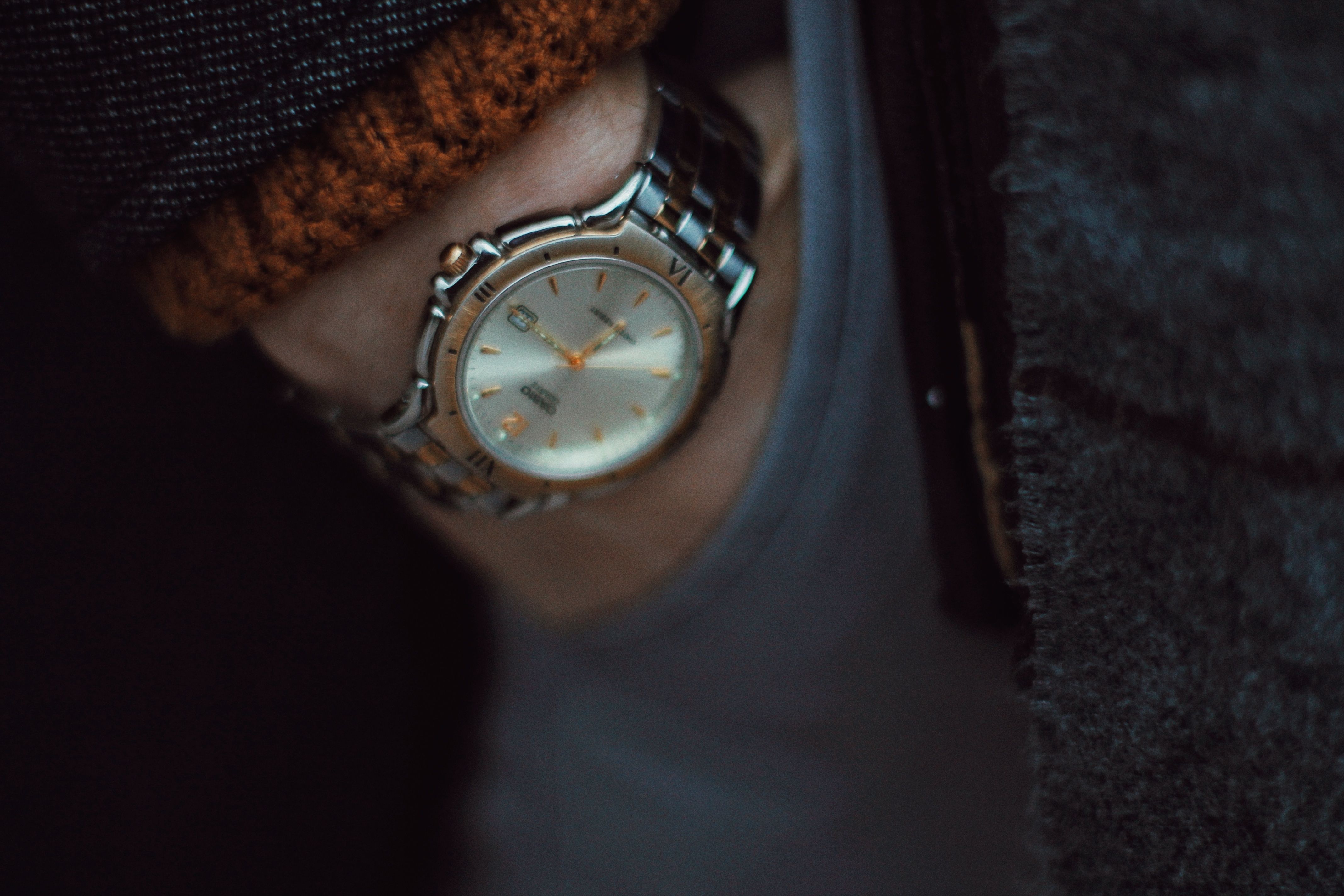
By mid-July, the island routine is set: beach before ten, shade until five, dinner outdoors until midnight. It’s a rhythm humans have perfected. Watches, on the other hand, tend to suffer through it — and most owners only notice the damage in September.
Watchmakers see the same casualties every autumn. Leather straps that entered June supple and handsome come back cracked, stiff and smelling like a gym bag, cooked by the combination of sweat, sea water and ultraviolet light. Steel bracelets fare better mechanically but collect a summer’s worth of hairline scratches from sand and pool tiles, and on a 40°C afternoon they cling to the wrist like a radiator. Even the watch head itself takes collateral damage: sunscreen and insect repellent work their way into gaskets and crowns, and dried salt crystals quietly abrade everything they touch.
None of this requires abandoning the watch in a hotel safe. It requires three small adjustments.
Swap the strap for the season
The single most effective change is also the cheapest. Collectors across the warmer parts of Europe have long treated straps the way they treat wardrobes — seasonal. The original leather or steel goes into the box in May, safe and scratch-free, and the watch spends the summer on FKM rubber: a technical-grade material that is entirely indifferent to salt, chlorine, sweat and sun, weighs a fraction of a bracelet, and rinses clean under a tap in ten seconds.
The modern versions bear little resemblance to the floppy silicone bands of old. Specialist maker Helvetus produces straps engineered for specific watch models — Rolex, Omega, Tudor and dozens more — so the fit against the case is seamless, and backs every rubber strap with a lifetime warranty. Owners of dressier pieces are equally well served: the fitted Helvetus Cartier straps give a Santos or Ballon Bleu a summer-ready character with a quick-release swap that takes seconds and needs no tools.
Rinse like a diver
The habit that separates careful owners from expensive repairs costs nothing: after every swim in the sea or a chlorinated pool, rinse the watch briefly under fresh water and pat it dry with a soft cloth. Salt left to dry is the enemy — it crystallises in the small gaps around the bezel and crown and grinds away at seals with every movement of the wrist.
While you’re at it, check that the crown is fully screwed down before the first swim of the day. A surprising number of “waterproof” watches flood through a crown left one turn loose.
Mind the chemistry
Sunscreen first, watch second — give the cream a few minutes to absorb before the strap goes on. The solvents in sun lotions and repellents degrade leather almost on contact and can dull polished cases over a season. The same logic applies to that end-of-day spritz of cologne: aim past the wrist, not at it.
The September payoff
Follow the three rules and the arithmetic is pleasing. The original bracelet emerges from its box in perfect condition — something resale buyers pay real money for — the movement’s seals survive another season, and the watch itself never missed a single sunset swim. A good timepiece is meant to be lived with, not locked away. It just needs the right kit for the climate, like the rest of us.
DISCLAIMER – “Views Expressed Disclaimer – The information provided in this content is intended for general informational purposes only and should not be considered financial, investment, legal, tax, or health advice, nor relied upon as a substitute for professional guidance tailored to your personal circumstances. The opinions expressed are solely those of the author and do not necessarily represent the views of any other individual, organization, agency, employer, or company, including NEO CYMED PUBLISHING LIMITED (operating under the name Cyprus-Mail).





Click here to change your cookie preferences