
A total of 760 people who went missing during the Turkish invasion of 1974 remain unidentified, Presidential Commissioner Marios Hartsiotis said on Wednesday, as he called for greater efforts to establish the fate of those still unaccounted for.
Speaking at an event organised by the Cyprus studies centre in Larnaca, Hartsiotis said 859 of the 1,619 people registered as missing had been identified.
“Determining the fate of the missing constitutes the highest humanitarian and national obligation,” he said, stressing that the issue does not expire with the passage of time.
Hartsiotis said efforts would focus on improving infrastructure, carrying out genetic testing and keeping relatives informed.
He also called for access to Turkish army archives, saying information held in Turkey could help identify burial sites and resolve cases that have remained open for more than five decades.
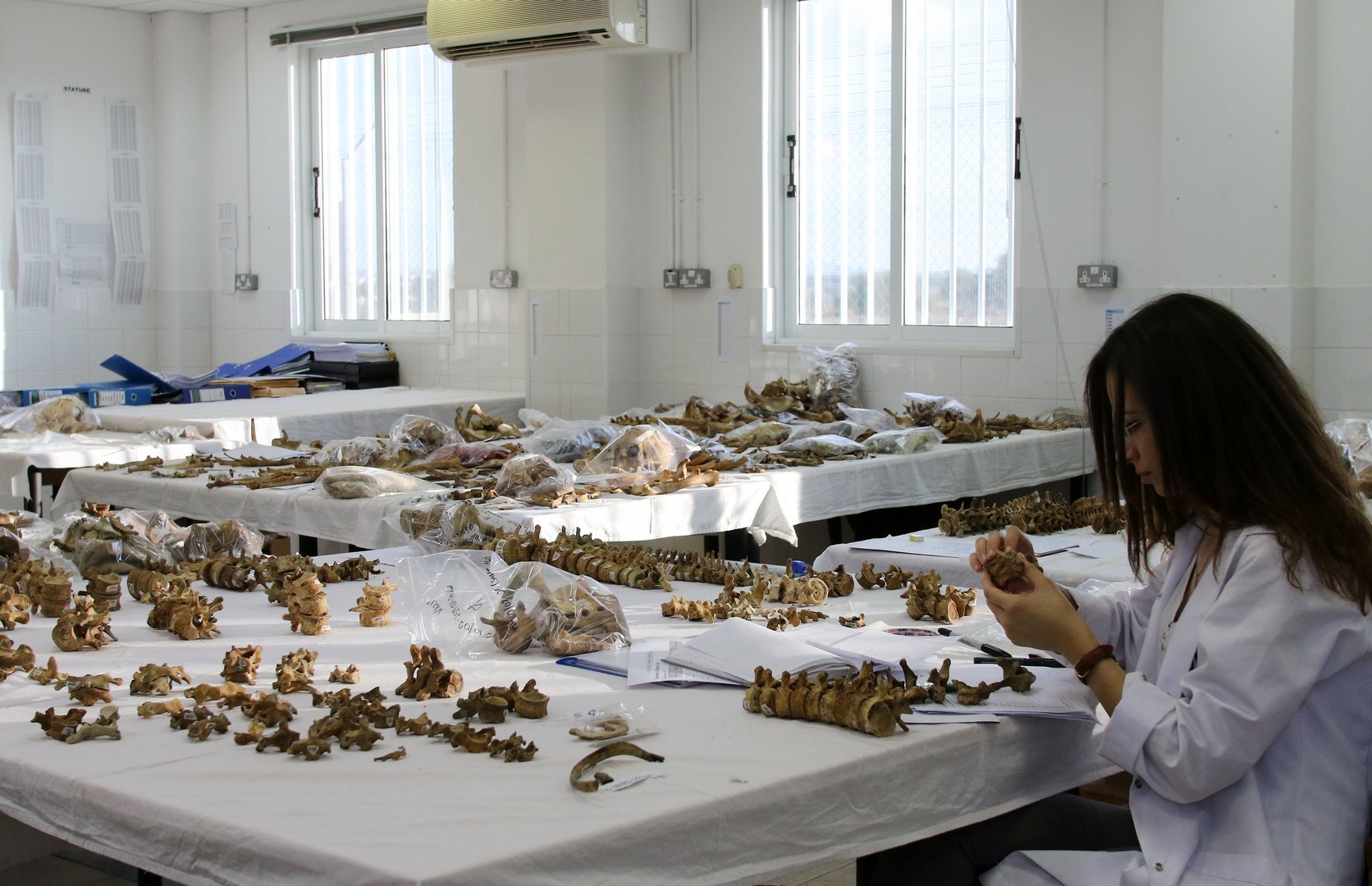
He said the cabinet had approved a building for a permanent state anthropological laboratory, while work was under way on an ossuary for the bones of identified and unidentified missing persons and fallen soldiers.
A €1 million allocation approved in April is being used for specialised genetic tests on the remains of Greek Cypriot and Greek fallen and missing persons from 1974 that had previously been treated with chemicals, making conventional identification difficult.
The testing began in June through the genetics institute, with a fifth batch of small skeletal samples from the Lakatamia military cemetery also being sent to the institute for examination.
Hartsiotis said the government was also working to improve communication with relatives through regular meetings and access to missing persons files.
He announced plans for an annual public presentation of work carried out on the issue, with the first covering activities during 2026 by his office, the committee on missing persons (CMP) and the genetics institute.
He said efforts were focused at present on obtaining information from Turkish military archives.
“Access to archives and data, as well as substantial cooperation from the occupying power, are required,” Hartsiotis said.
Greek Cypriot representative to the CMP, Leonidas Pantelides, said the committee was currently conducting excavations at seven sites, with another expected to open within days.
Excavations are under way at sites in Vatyli, Assia, Lapithos, Exo Metochi, Neo Chorio, Livadia and Yerolakkos.
Information at the sites concerns the possible burial of Greek Cypriots, while the Yerolakkos investigation concerns Turkish Cypriots.
Pantelidis said 120 sites had been included on the list of areas designated as military areas by the north for excavation.
Six of the first ten sites on the 2026 list have been excavated, with work on the seventh expected to begin within days.
Nikos Sergides, president of the relatives of unregistered prisoners of war and missing persons’ association (Kykem), said families were still waiting for answers 52 years after the events of 1974.
He criticised the pace of the CMP’s work and attributed some of the difficulties to restrictions imposed by the Turkish army.
Sergides said the issue remained primarily humanitarian, adding that “behind every missing person is a family” that had been waiting for decades for answers.





Click here to change your cookie preferences