
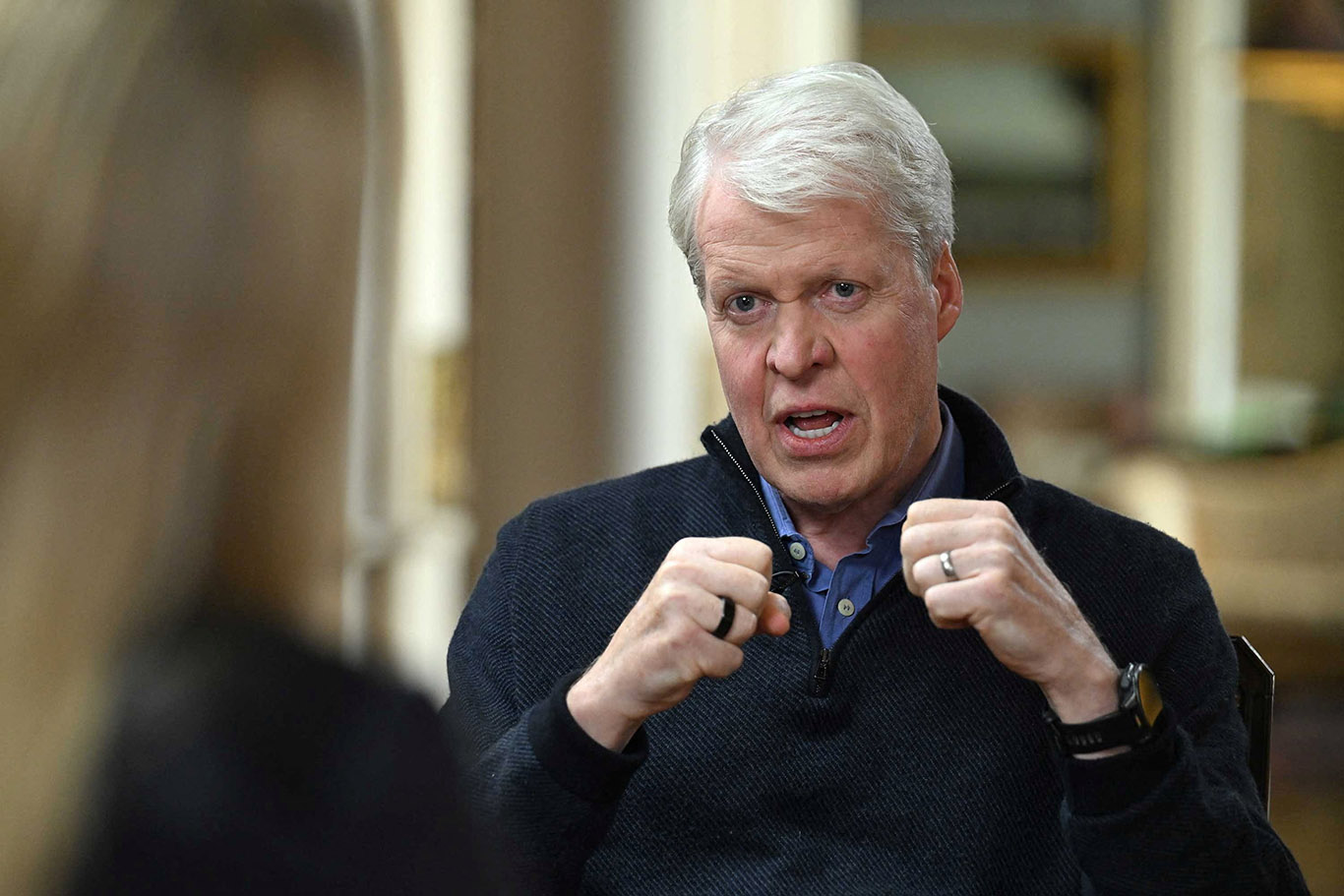
His book raises questions about chronology, memory and motive
Earl Spencer’s Swan Song: Diana, My Sister was published last Tuesday after it was trailed in an interview he gave the BBC last Sunday about defamatory allegations against King Charles in the book and a correction and apology he made to a former newspaper editor for a defamatory error about him.
The allegations against King Charles are as implausible as the error about the newspaper editor was careless. Earl Spencer’s most implausible allegation is that then Prince Charles was “giddily elated, like a lottery winner” when he telephoned Spencer on the day Diana died in a car crash in Paris on August 31, 1997.
He walked that back during the interview when he conceded that while he could not be sure, he thought it possible that the lightness of his tone was because Diana’s death had set Charles free to marry Camilla, now the queen by marriage.
It is implausible because on close analysis the telephone call during which Charles is alleged to have been elated as if he won the lottery took place after he told the boys William and Harry that their mother had died in a car crash, and before he flew out with Diana’s two sisters to Paris to repatriate her body. The idea that Charles could have felt even remotely as if he had just won the lottery at that time and in those circumstances is absurd.
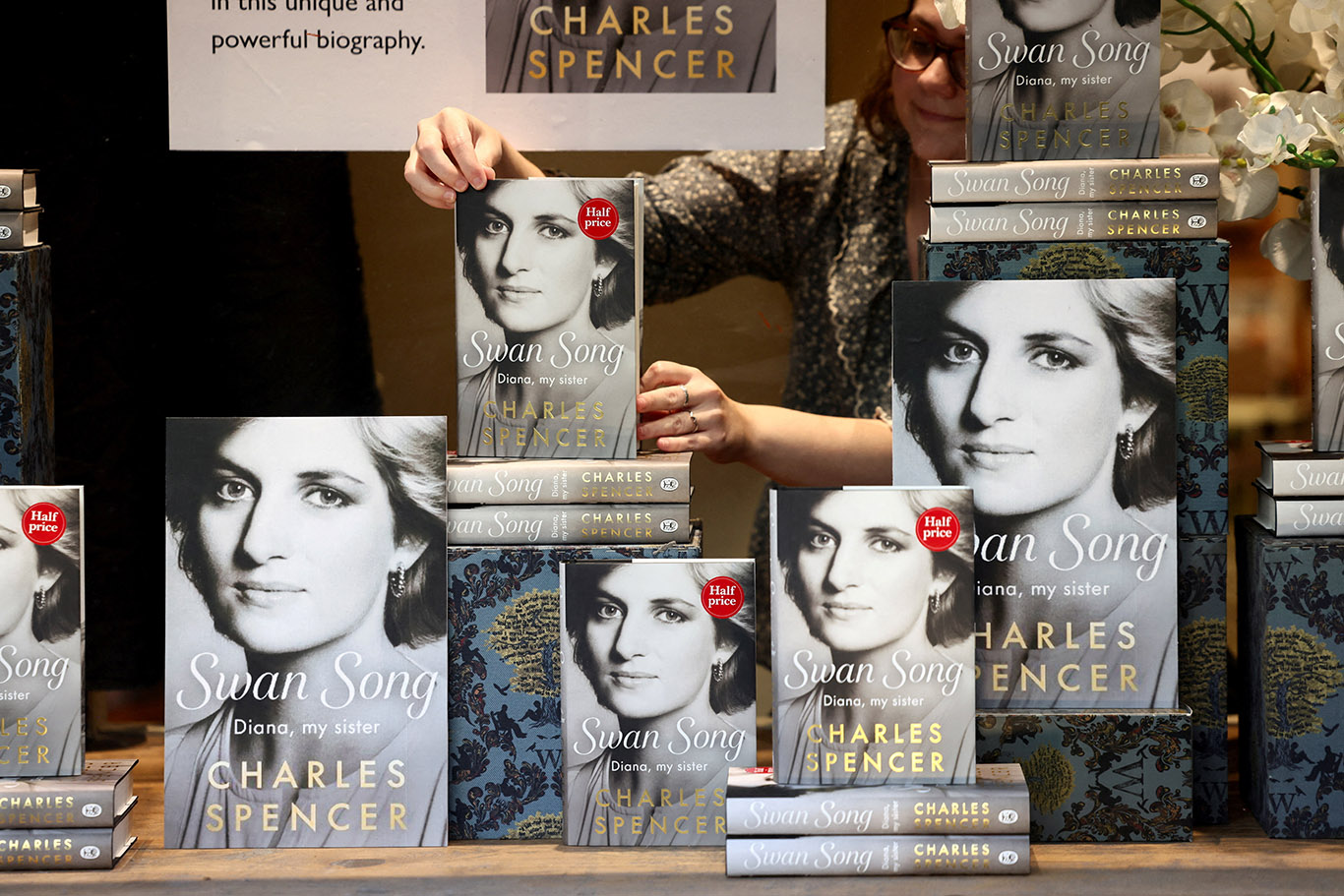
There was also another telephone call between Spencer and Prince Charles a few days later, this time about Diana’s funeral arrangements on September 6, 1997. Spencer had told the palace that he did not agree with the plan for princes William, aged 15, and Harry, 13, to walk behind their mother’s coffin and it seems Prince Charles telephoned Spencer to get him to change his mind.
Spencer claims that Charles was very angry about his refusal to agree to the plan and went on about the Spencer family’s inadequate sense of duty. And then “Charles went ballistic” and “ranted for a while” and said “we’ll forget her soon enough.” But why would Charles insist on such an unforgettable walk by the boys if he wanted Diana forgotten? It doesn’t stack up.
It is incredible that Spencer failed to mention Charles’ alleged callous reaction to Diana’s death for almost 30 years. In the Netflix film The Crown, series 6 episode 4 – the Aftermath – Charles is portrayed as devastated and tearful on hearing that Diana died. Yet Spencer did not correct the false – from his viewpoint – narrative given by the series to millions of viewers worldwide.
The portrayal of Charles as devastated was based on investigations by the filmmakers from a person who was present when he was informed that Diana had died who said that he “howled like an animal”.
Charles then had to tell William and Harry that their mother had died and navigate between a cold and aloof Queen and Prince Philip and his role as a dutiful crown prince who insisted on bringing Diana back as a royal – she was after all still the mother to the heir to the throne next after him.
In the end the boys did walk behind Diana’s coffin with Prince Philip, Prince Charles and Earl Spencer from Buckingham palace to Westminster Abbey. And although in his book Spare, Prince Harry confirms that Earl Spencer was indeed against their walk behind the coffin, he does not give credence to Spencer’s hint during the BBC interview that his allegations against Charles would not surprise William and Harry.
Traditionally the palace prefers to remain silent in the face of adverse publicity: “never complain, never explain,” has been thought the best policy. Not this time. “While we do not comment on books as a matter of principle, His Majesty is mindful that the pain of fraternal grief can cloud reason, affect judgment and colour memory in ways others do not recognise, even many years after such a loss,” the palace said in a statement immediately after the allegations became public.
The allegations against Charles are defamatory and actionable as false and damaging to his reputation, but King Charles is unlikely to sue. The UK monarch can sue but cannot be sued in his personal capacity. The difficulty with defamation, however, is that the king would have to give evidence and be cross examined and the attorney-general is bound to advise against starting a defamation action against Earl Spencer even if Charles were minded to sue him.
The only time a British monarch was involved in a libel case was when a journalist, Edward Mylius, was prosecuted in 1910-11 for criminal libel on the insistence of King George V. Mylius had repeated rumours in an article that the king was bigamously married to queen Mary and had three children by his other wife.
King George wanted legal action against him not only to clear his name but also to put the succession beyond question. So Mylius was prosecuted and convicted of criminal libel on the basis that his claim was untrue, which put an end to the long-standing rumours that were damaging the monarchy.
As the king apparently remembers the calls he made to Spencer and challenges the truth of his allegations, a simple tactful denial with a short royal version of events would have been better than the rather pompous circumlocutory statement put out by the palace that ignored the first rule of pleading – deny allegations you claim are untrue.




Click here to change your cookie preferences