
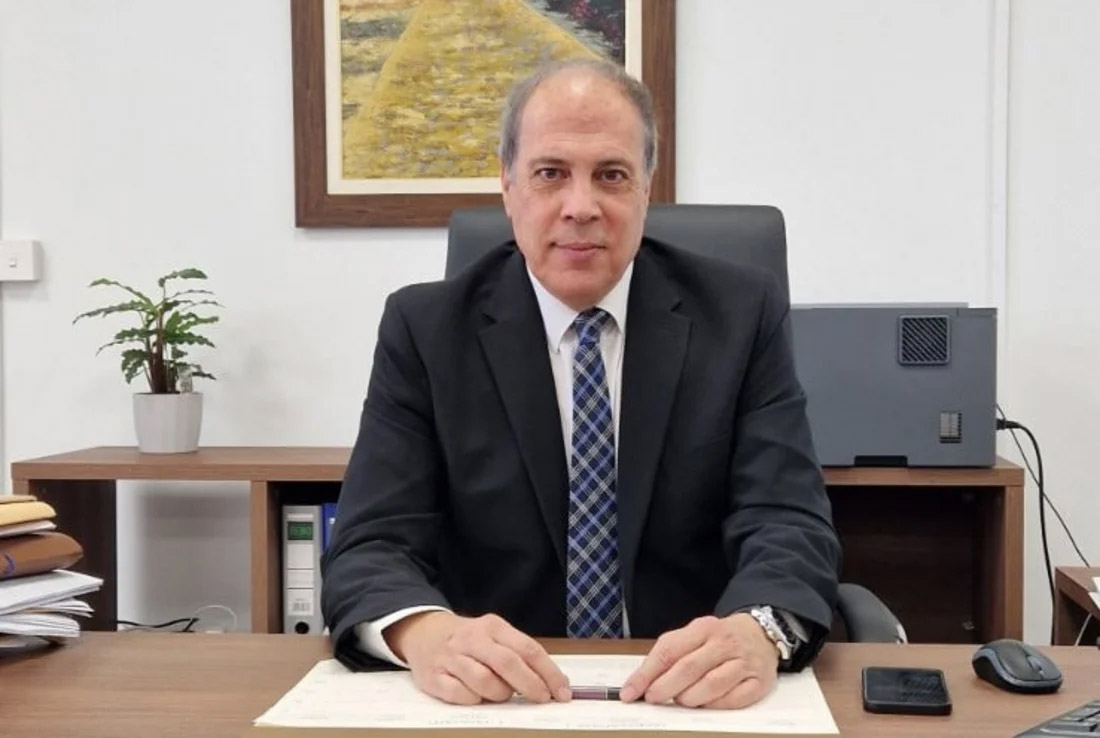
The anti-corruption authority has to date received some 900 complaints, and has examined about 70 per cent of them, its chairman said on Tuesday.
Harris Poyadjis was speaking at the Cyprus Forum, at an event themed on the rule of law and the independence of institutions.
Up until the end of August 2026, the anti-corruption authority had received 911 complaints, examining 645.
The complaints originate from institutions as well as private citizens.
Regarding the issue of whether criminal investigatory powers would be granted to the authority, Poyadjis said they recently received various suggestions from the justice ministry.
The discussion in earnest would start in October.
As it stands, the anti-corruption authority may summon witnesses, and any witness who fails to show up or answer questions will have committed a criminal offence.
However, the authority has no criminal investigatory powers as such. Instead, its findings are forwarded to the attorney-general’s office which then decides whether to instruct police to carry out a criminal probe.
The members of the anti-corruption authority are appointed by the president. The body was established in 2022 under the presidency of Nicos Anastasiades.
On the authority’s lack of prosecutorial powers, Poyadjis noted “a reluctance on the part of authorities to move to that stage”.
Such a change would require amending the constitution.
According to Poyadjis, the authority is meanwhile planning a series of actions – one of which will involve issuing a booklet summarising the laws on the books relating to corruption.
The booklet would be handed to senior state officials on their assuming office.





Click here to change your cookie preferences