
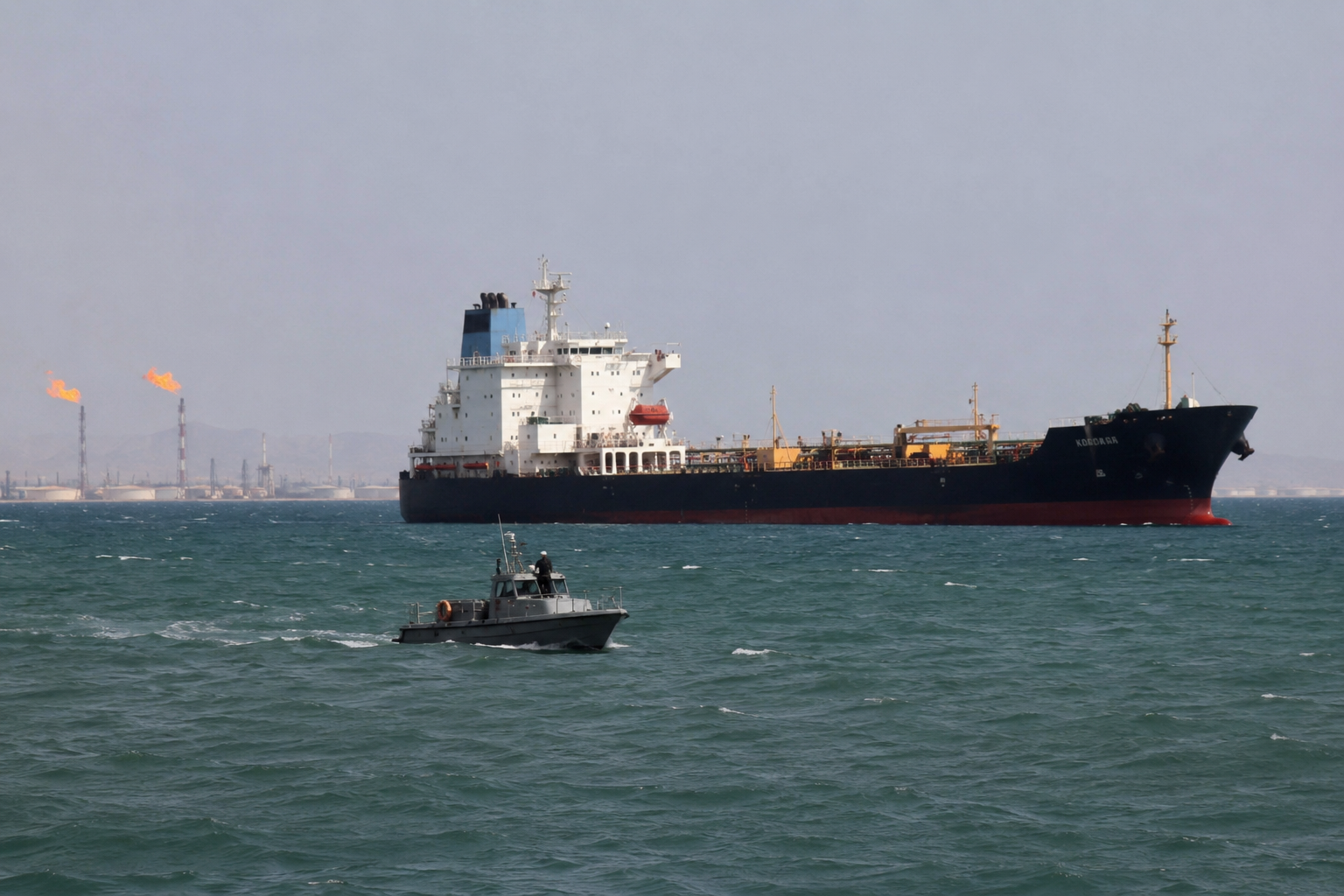
Freight rates for very large crude carriers (VLCCs) surged by more than 800 per cent over the past year, with the sharp rise now feeding directly into second-hand vessel values, according to an analysis by Xclusiv Shipbrokers.
The acceleration has been particularly pronounced since late July, with geopolitical disruption surrounding Iran and the Strait of Hormuz, reduced effective vessel availability and high earnings creating a particularly strong environment for VLCC values.
The freight market figures emphasise the scale of the shift.
According to the Baltic Exchange, the average VLCC market stood at around $198,000 per day in July, rising to $272,000 in August and then to nearly $449,000 per day during the first half of September.
By September 18, the relevant index had reached around $722,946 per day, compared with just $79,700 per day in mid-September 2025.
That represents an increase of 807.1 per cent within 12 months, significantly changing the economics for shipowners.
The shift has also been reflected in inflationary pressures internationally, with implications for energy-intensive industrial operations as well as the wider supply chain.
Developments in the Middle East have played a central role.
Heightened tensions around Iran and disruption to navigation through the Strait of Hormuz have increased war risk and reduced the number of vessels effectively available for commercial employment.
At the same time, changing routes, longer voyages and the need to source crude oil from alternative regions have increased demand in tonne-miles.
In practical terms, transporting the same quantity of oil now requires more sailing days, tying up more vessels and reducing the effective supply of VLCCs.
That tightening has, in turn, placed further upward pressure on freight rates.
The change is now also being reflected strongly in vessel prices.
According to Xclusiv, between July 10 and September 18, the value of a five-year-old VLCC increased from around $145 million to $172 million, a rise of about 18.6 per cent.
The increase was even stronger for older vessels.
Ten-year-old VLCCs rose in value from around $115m to $152m, representing an increase of more than 32 per cent.
The sharpest rise was recorded among 15-year-old vessels, where values jumped from $83.5m to $135m, an increase of almost 62 per cent in roughly two months.
Meanwhile, resale values for younger vessels increased from around $175m to $193m.
Xclusiv also reported that 103 VLCC sales were completed between the start of the year and September 14.
Activity was particularly strong at the beginning of 2026, with 38 transactions in January and 27 in February, before slowing sharply in the spring.
Interest then returned gradually during the summer, with 10 sales in August and another nine by mid-September.
However, the age profile of the vessels changing hands has become one of the most striking features of the market.
Of the 103 VLCCs sold, 43 were between 11 and 15 years old, while another 32 were between 16 and 20 years old.
Only five vessels were in the category of up to five years old.
The shift towards older tonnage became even more pronounced in September, when the average age of VLCCs changing ownership reached around 18 years, up from 13.6 years in August.
The explanation, according to Xclusiv, lies in the earnings that a VLCC can currently generate.
With daily freight rates at exceptionally high levels, even an older vessel can generate strong cash flows within a relatively short period.
As a result, owners have little incentive to sell unless buyers are prepared to pay a significant premium.
At the same time, long delivery times for newly built tankers are pushing buyers seeking immediate exposure to the market towards the existing fleet.
However, Xclusiv cautioned that the balance remains fragile.
A de-escalation of tensions around Iran and a restoration of normal navigation could lead to a correction in both freight rates and vessel values.
Conversely, as long as geopolitical disruption continues to restrict effective vessel supply and increase sailing distances, the VLCC market could remain at exceptionally high levels.





Click here to change your cookie preferences