
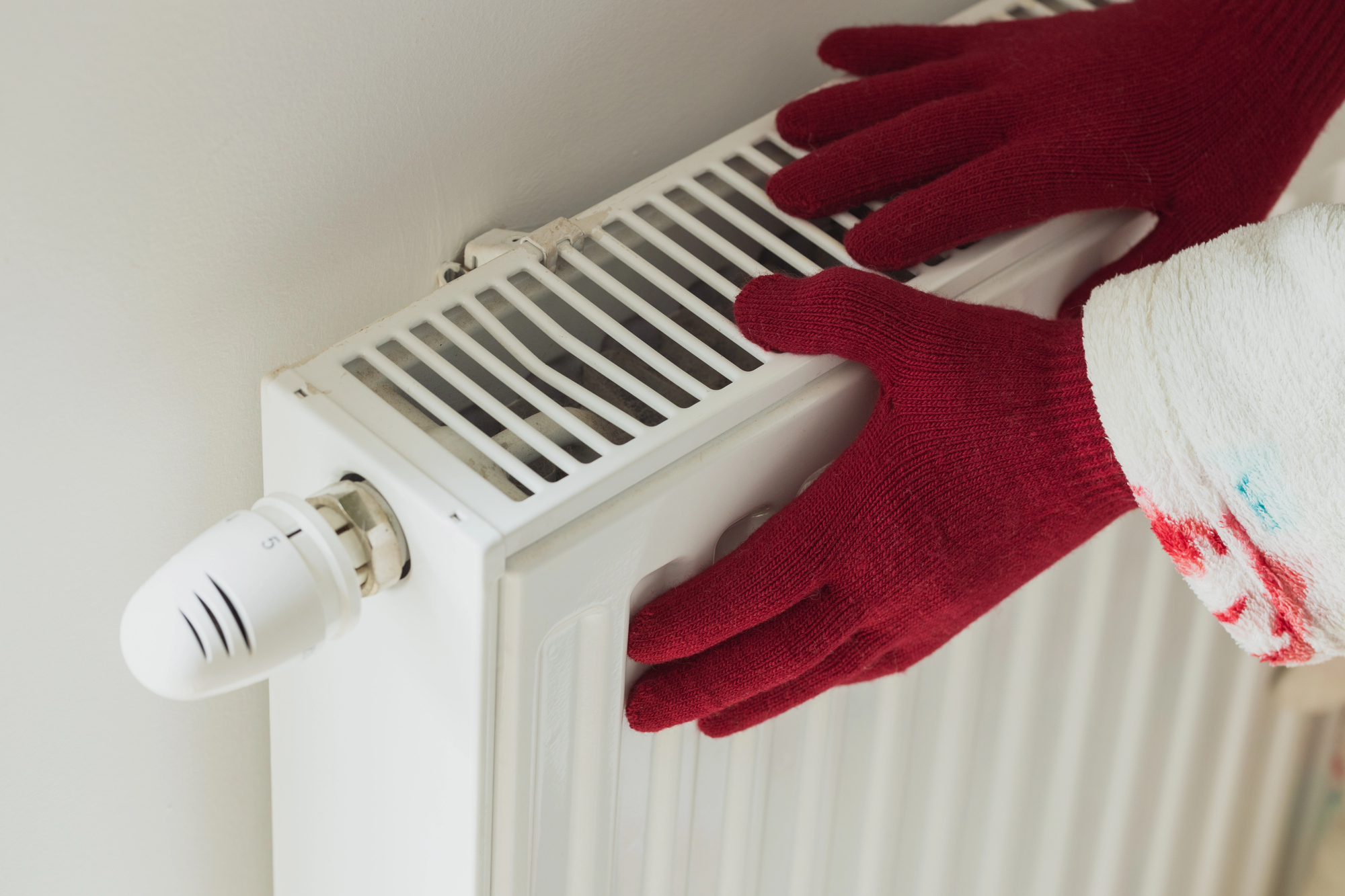
The tax on heating oil will be reduced by 5.3 cents per litre from November 1, as part of a €70 million package of measures approved by the cabinet on Wednesday to tackle the rising cost of living.
The package also includes an extension of electricity subsidies, zero VAT on a wider range of essential goods, reduced VAT on residential photovoltaic systems and additional financial assistance for vulnerable households and residents of mountainous areas.
Announcing seven measures following the cabinet meeting, Finance Minister Makis Keravnos said the excise duty on heating oil would fall from 7.4 cents to 2.1 cents per litre, the minimum level permitted by the European Commission.
The reduction will remain in place throughout the winter, from November 1 until April 30, 2027.
Two existing electricity subsidy schemes, which are due to expire shortly, will be extended throughout 2027.
These cover the special domestic electricity tariff for vulnerable consumers, known as Code 08, which was due to expire on Wednesday, and the low-voltage commercial electricity tariff, Code 10, which was due to expire at the end of 2026.
The government will also extend zero VAT on a range of essential products throughout 2027, including fresh fruit, vegetables, baby milk, baby nappies, adult incontinence products and feminine hygiene products.
Meanwhile, the existing zero VAT measure covering meat, fish and poultry, which was due to expire on Wednesday, will be renewed and expanded to include bread, milk, coffee, sugar and baby food.
The expanded measure will take effect on October 12 and remain in force until May 31, 2027.
Households installing photovoltaic systems will also benefit from a reduction in VAT from 19 per cent to 9 per cent.
Keravnos said the reduction would take effect immediately upon the publication of the relevant decree.
The cabinet also approved a one-off payment of €200 for eligible vulnerable citizens receiving public assistance.
The seventh measure concerns increased financial support for residents of mountainous areas, benefiting approximately 10,500 households and 24,000 eligible individuals.
Under the revised scheme, the allowance will be set at €175 for residents living at altitudes between 600 and 800 metres, €225 for those between 801 and 1,000 metres and €260 for those living above 1,000 metres.
The seven measures, combining extensions of existing schemes with new interventions, have a total estimated cost of €70 million.
Speaking after the cabinet approval of the measures, Keravnos said the government had already initiated discussions with the European Commission on further tax reductions and greater flexibility in public spending.
He said the latest measures, together with existing support schemes, brought the government’s total cost-of-living assistance to approximately €160 million.
Keravnos attributed the government’s ability to introduce additional support to its economic policy, which he said had generated budget surpluses and reduced public debt.
“These surpluses are transferred in this tangible way to society and our fellow citizens,” he said.
Keravnos said he had already requested a derogation from the European Commission to allow Cyprus to reduce the heating oil tax further.
“The procedure has begun, and I hope we will be able to obtain approval to reduce the excise duty even further,” he said.
The minister also revealed that discussions were underway with Brussels concerning what he described as the double application of VAT on Electricity Authority of Cyprus bills.
He said he had raised the issue with the relevant European Commissioner during the latest Ecofin meeting, seeking exemptions and additional relief for consumers.
The government is also seeking greater flexibility under the EU’s fiscal governance framework, which Keravnos argued places restrictions on countries that have reduced their public debt and maintained budget surpluses.
He acknowledged that the EU framework, introduced in July 2024, had positive elements, particularly in preventing uncontrolled public expenditure and avoiding a recurrence of previous financial crises.
However, he argued that it also created difficulties for countries such as Cyprus, whose public debt has fallen below 60 per cent of GDP.
According to Keravnos, Cyprus’ public debt currently stands at approximately 49 per cent of GDP and could decline to 45 per cent by the end of the year.
He noted that the government was submitting a budget based on general government surpluses for the fourth consecutive year.
Such surpluses, he said, provided the financial capacity to respond to crises, particularly during a period of repeated international instability.
Nevertheless, EU expenditure limits restricted how much additional assistance the government could provide.
Keravnos argued that the situation was particularly problematic because Cyprus was being asked to increase its net contribution to the EU budget as a result of its economic performance while simultaneously facing restrictions on increasing domestic expenditure.
He said he had discussed the matter extensively with the relevant European Commissioner and the director-general of the responsible European Commission department.
According to the minister, support from other EU finance ministers had created favourable conditions for further discussions, which Cyprus intended to pursue.
Turning to the government’s newly approved measures, Keravnos said electricity subsidies for vulnerable households and commercial consumers would be extended throughout 2027.
Approximately 23,300 vulnerable households will benefit from subsidies covering the full increase in electricity costs, while around 82,500 commercial consumers will receive support of up to 85 per cent, depending on consumption.
The government will also extend zero VAT on selected essential products throughout 2027 and expand a separate zero VAT scheme to include additional everyday goods from October 12 until May 31, 2027.
VAT on the purchase and installation of residential photovoltaic systems will fall from 19 per cent to 9 per cent, while 53,511 vulnerable beneficiaries will receive a one-off payment of €200.
Keravnos noted that existing measures included the reduction of VAT on residential electricity bills from 19 per cent to 5 per cent, at an estimated cost of €49 million.
Separately, he confirmed that the finance ministry had approved, from a financial perspective, a proposal to increase child benefit eligibility thresholds.
He said €136 million had been allocated for child benefit in the budget, with payments administered through the deputy ministry of social welfare.





Click here to change your cookie preferences