
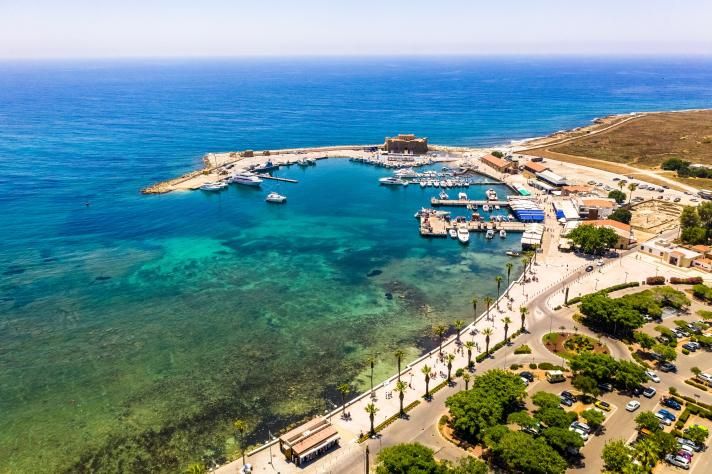
More flights won't guarantee more tourists as Cyprus eyes a difficult 2027
Cyprus tourism bookings for 2027 are running 8 to 12 per cent below comparable levels for this year, as rising energy costs, inflation and more expensive flights weigh on holiday demand, despite plans by major tour operators to increase airline capacity to the island.
The early slowdown has raised concerns among hoteliers, particularly over demand from Britain, Cyprus’ largest tourism market, although the government remains cautiously optimistic about next year’s prospects, according to a report by Politis on Wednesday.
The Cyprus Hoteliers Association (Pasyxe) has reported weaker advance reservations, with director-general Christos Angelides warning that the pressure on household budgets is beginning to affect holiday decisions.
Higher airfares are adding to the problem, leaving travellers facing increased costs at a time when inflation and energy bills continue to squeeze disposable incomes.
Nevertheless, planned airline capacity has not followed the decline in bookings. Flight schedules are broadly in line with this year’s levels, with some operators preparing to offer additional seats.
This difference has become one of the main uncertainties facing the industry. Although airlines appear willing to maintain or expand their services, the extent to which those seats will translate into additional visitors remains unclear.
The Cyprus Tourism Enterprises Association (Stek) has also expressed concern about the early booking figures, following discussions at the World Travel Market (WTM) exhibition in London.
Its president, Akis Vavlitis, told Politis that initial indications were not particularly encouraging, although he cautioned against drawing conclusions so early in the booking cycle.
He pointed to the wider pressures facing European tourism, particularly inflation, energy costs and the impact of more expensive air travel on consumer spending.
The association expects a clearer picture between late December and early January, when holiday reservations traditionally begin to provide a more reliable indication of demand for the following summer.
Tourism Deputy Minister Kostas Koumis, however, offered a more encouraging assessment after meeting major tour operators during the London exhibition.
Speaking to Politis, Koumis said most of the large operators contacted intended to increase the number of airline seats available to Cyprus in 2027, despite the difficult international environment.
His comments follow earlier announcements by major British tour operators of plans to expand capacity to the island next year.
Cyprus is currently connected to 18 British cities through six airlines, with a seventh carrier expected to enter the market, strengthening links with one of the country’s most important sources of tourism revenue.
Koumis has nevertheless acknowledged that 2027 is likely to be a difficult year for international tourism, particularly as higher ticket prices influence holiday choices.
The cost pressure is already evident in the aviation industry.
Figures from the International Air Transport Association (IATA) showed that European aviation fuel prices averaged $4.84 per gallon in October, more than double the January-February average of $2.26.
The 114 per cent increase has raised concerns that airlines will pass more of their operating costs on to passengers, making holidays more expensive and potentially reducing demand.
As previously reporeted, rising fuel costs have also complicated efforts to extend the tourism season and attract more visitors during the quieter winter months.
The weaker outlook for 2027 follows earlier warnings from Paphos hoteliers.
In October, Paphos hoteliers association president Evripides Loizides reported that advance bookings from Britain’s three largest tour operators were down by 20 to 30 per cent compared with the same period a year earlier.
Those figures covered a narrower group of operators than the latest industry-wide estimates, but reinforced concerns about demand from the British market.
Loizides had also warned that growing competition from other Mediterranean destinations was putting additional pressure on Cyprus, making the island’s pricing and promotion increasingly important.
The industry is entering the new booking season after a difficult 2026, when regional instability disrupted travel demand and affected both arrivals and tourism revenue.
Tourist arrivals during the first nine months of the year were 5.6 per cent lower than in 2025, although the decline narrowed during the summer and September recorded its highest-ever number of arrivals.
Tourism revenue has recovered more slowly. Receipts for the first eight months fell by 6.2 per cent to €2.32 billion, compared with €2.47 billion a year earlier, according to the statistical service (Cystat).
The figures highlight the financial pressure on the sector, with visitor spending and the cost of attracting tourists becoming increasingly important alongside arrival numbers.
Meanwhile, airlines have reported a shift towards later bookings, with travellers increasingly leaving reservations until just a few weeks before departure.
Hermes Airports recently reported that passengers were booking flights three to four weeks before travelling, complicating airlines’ ability to plan capacity and assess demand.



Click here to change your cookie preferences