
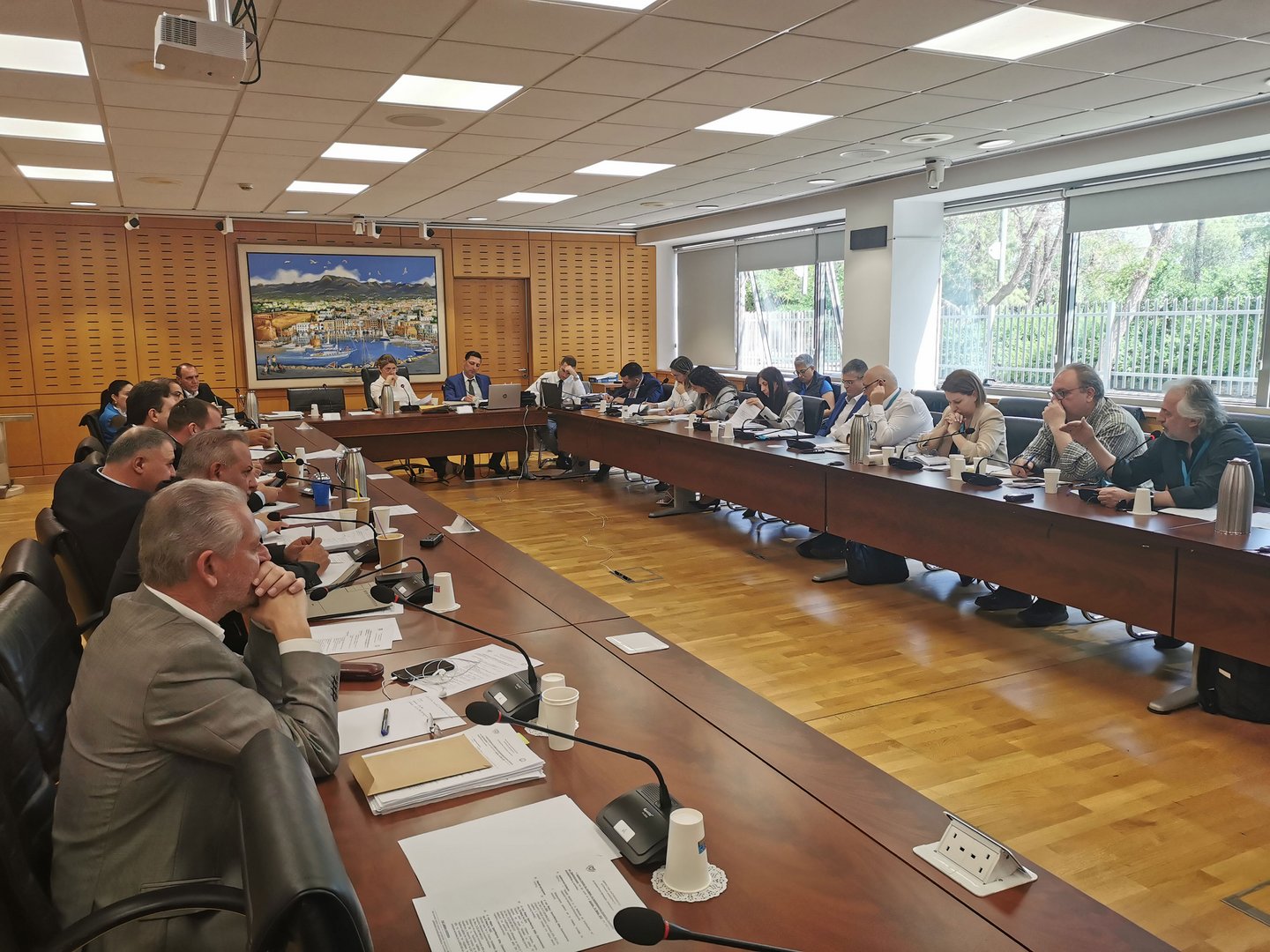
The final cost and long-term viability of the Great Sea Interconnector (GSI) came under scrutiny on Friday during discussions at the House finance committee on the budget of the Cyprus Energy Regulatory Authority (Cera), which is running a deficit for the sixth consecutive year.
Cera vice-chairman Alkis Philippou said that projects included on the EU list of projects of common interest receive state grants because they are not viable at their outset. However, he warned that if costs continue to rise, their sustainability could no longer be guaranteed.
Committee chairman Polyvios Lemonaris said several issues remained unresolved, including the final cost of substations.
He added that seabed surveys and the cable-laying process had not yet been carried out due to obstacles, and these may reveal the need for additional cables, pushing the project’s cost higher.
Akel MP Andreas Kafkalias called for full clarification of the matter, stressing its importance for both public finances and citizens.
Lemonaris said Greece’s independent transmission system operator, Admie, had not provided any updates suggesting changes to the project’s current deadline of December 31, 2029.
By September 19, he said, 200km of cable had already been laid, with another 81km under production, including deep-sea sections.
He added that Cera continued to operate under EU regulations and had received no indication that the project would be terminated or suspended.
Referring to Cera’s budget for 2026, Lemonaris said it was in deficit of €2.8 million, providing for revenues reaching €3.1m and expenditure of €5.9m, half of which was for staff salaries.
The deficit, he said, would be covered by current reserves, which would leave €2.2m in the coffers at the end of 2026.
Lemonaris said annual fees accounted for 87 per cent of revenues, while salaries 48 per cent of expenditure.
Cera, he added, has already proposed a revised list of fees to achieve balanced budgets.
Committee members also raised questions about the opening of the electricity market, energy storage and natural gas.
Responding to Disy MP Onoufrios Koullas, Lemonaris said the electricity market officially opened to competition on October 1, and it was too early to reach firm conclusions.
There are currently two producers, 11 suppliers, nine aggregate representation bodies and three renewable-energy producers. Wholesale prices, he said, remain at the levels set under the transitional model.
Market forces, he added, should push prices down once the system stabilises.
Lemonaris said it was imperative that natural gas and electricity interconnection projects were completed on time, otherwise Cyprus ran the risk of long-term inadequacy after the year 2029.
He added that Cera was awaiting a crucial report by the natural gas administrator, which would identify infrastructure gaps and technical requirements.





Click here to change your cookie preferences