
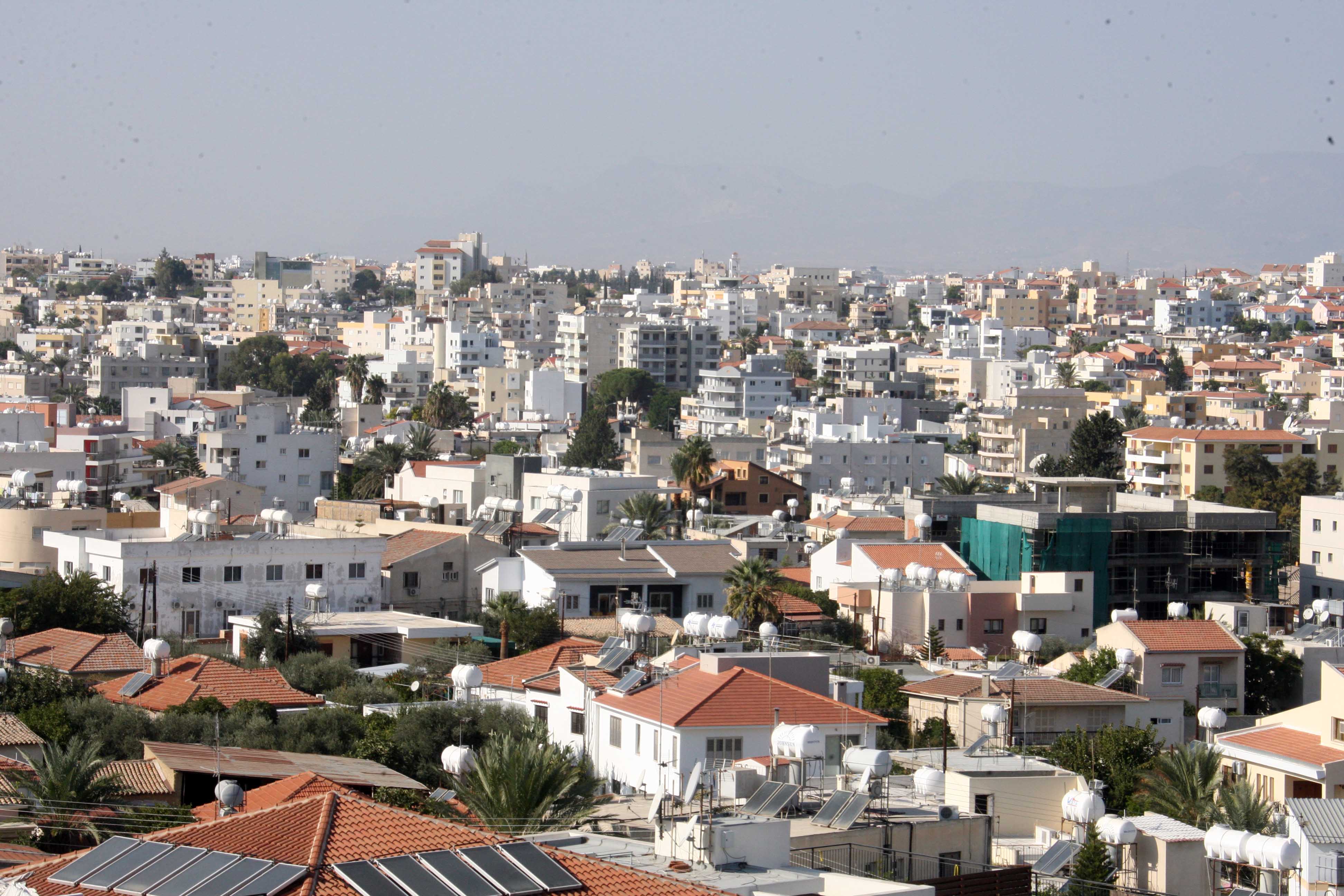
Cyprus’ housing market is being driven by demand for new apartments, while the construction sector is under pressure to modernise and expand its reach, speakers said at the 20th Real Estate, Property Development & Construction Conference & Exhibition.
Presenting an analysis of 2,500 registered projects, Ask Wire chief executive Pavlos Loizou said the market is showing clear changes in buyer behaviour, with newer properties continuing to attract the strongest interest.
At the same event, association of Cyprus building contractors (Oseok) president and N. Gavriel & Sons managing director Stelios Gavriel said the future of construction in Cyprus will depend on credibility, innovation and stronger cooperation across the industry.
Loizou said the bulk of transactions now concern new apartments, while older properties are seeing weaker demand and more stable prices.
Around 50 per cent of new apartments in Yermasoyia area, are sold below €500,000, he said, while demand for higher-value homes remains steady in the upper end of the market.
He added that “rising prices and greater product diversification are creating room for more targeted growth strategies in areas where demand remains strong.”
At the same time, he said, the data points to the need for better promotion of new developments and closer alignment between products and buyer expectations.
Taken together, the findings show that the Cyprus housing market remains active, with new projects continuing to shape demand and influence investment planning over the next five years.
The conference also turned to the construction sector, where a fireside chat titled ‘Building Cyprus: Prospects and the Future of the Construction Industry’ focused on the opportunities and pressures facing the industry.
Gavriel said the history of Cypriot contractors is closely linked to the country’s own development, from the early builders of the 1930s to the modern industry operating today.
He said contractors had played a central role in rebuilding homes, schools, roads, ports and other infrastructure, while also supporting the economy in difficult periods, including after 1974 and through work on major projects overseas.
Today, he said, the contractor is no longer just a craftsman, but “a modern entrepreneur” managing complex projects, large teams and significant investments.
That role, he added, calls for “technical knowledge, financial management, strategic planning and decision-making skills”, while also requiring firms to adapt to international economic turbulence, changes in material prices and supply chain disruption.
Gavriel also said the sector must make wider use of digital tools, new technologies and modern construction methods if it is to remain competitive.
At the same time, he called for greater credibility and transparency through the modernisation of public procurement, based on international standards, as well as the use of more effective dispute resolution methods “in order to minimise delays and problems in the implementation of projects”.
More broadly, he said the industry has the knowledge and experience to move forward, but that further progress will depend on “regaining trust between all stakeholders”, in both the public and private sectors, while also strengthening cooperation and continuing to train new professionals.
“That is how the quality of projects and the improvement of the daily lives of citizens will be ensured,” he said, adding that this would also leave “a positive imprint on the upgrading of the country”.
He also stressed the need for greater extroversion, saying the Cypriot market is too small on its own and that helping local firms expand abroad would create “healthier, competitive and sustainable businesses”.
Supporting new professionals, introducing new ideas and embracing innovation, he said, would allow the construction sector to continue contributing to the country’s development.
Finally, Gavriel said the contractor of tomorrow must be “a complete professional, technician, entrepreneur and creator of development”, capable of delivering “high-quality, sustainable, innovative” projects suited to the needs of society and the economy.




Click here to change your cookie preferences