
When the Strait of Hormuz closed, it did not just raise the price of petrol. It revealed the hidden energy bill of every meal on every table
By Nicolas Netien
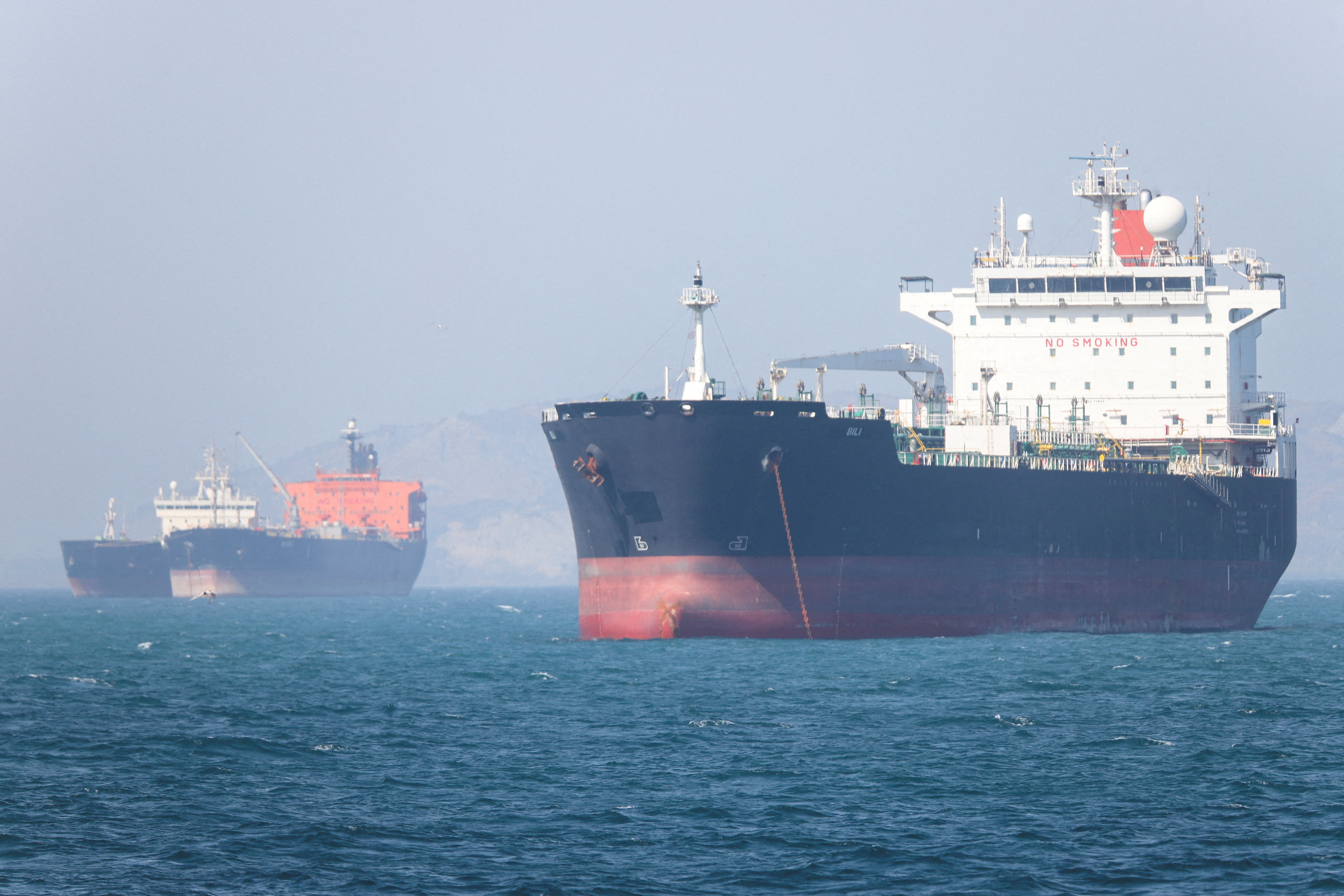
On 28 February this year, the war between the United States, Israel and Iran turned the Strait of Hormuz into the most fought-over stretch of water on the planet. Within days, tanker traffic collapsed by more than 90 per cent. On April 13, the United States Navy formalised a blockade of Iranian ports. Negotiations in Islamabad failed.
Most commentary has treated this as an energy story. It is also a food story. The Strait does not only carry about 20 per cent of the world’s oil and liquefied natural gas. It carries between 20 and 30 per cent of the world’s traded fertilisers, along with much of the natural gas used to manufacture the rest. Those shipments feed the fields that feed us.
From gas wells to grain fields
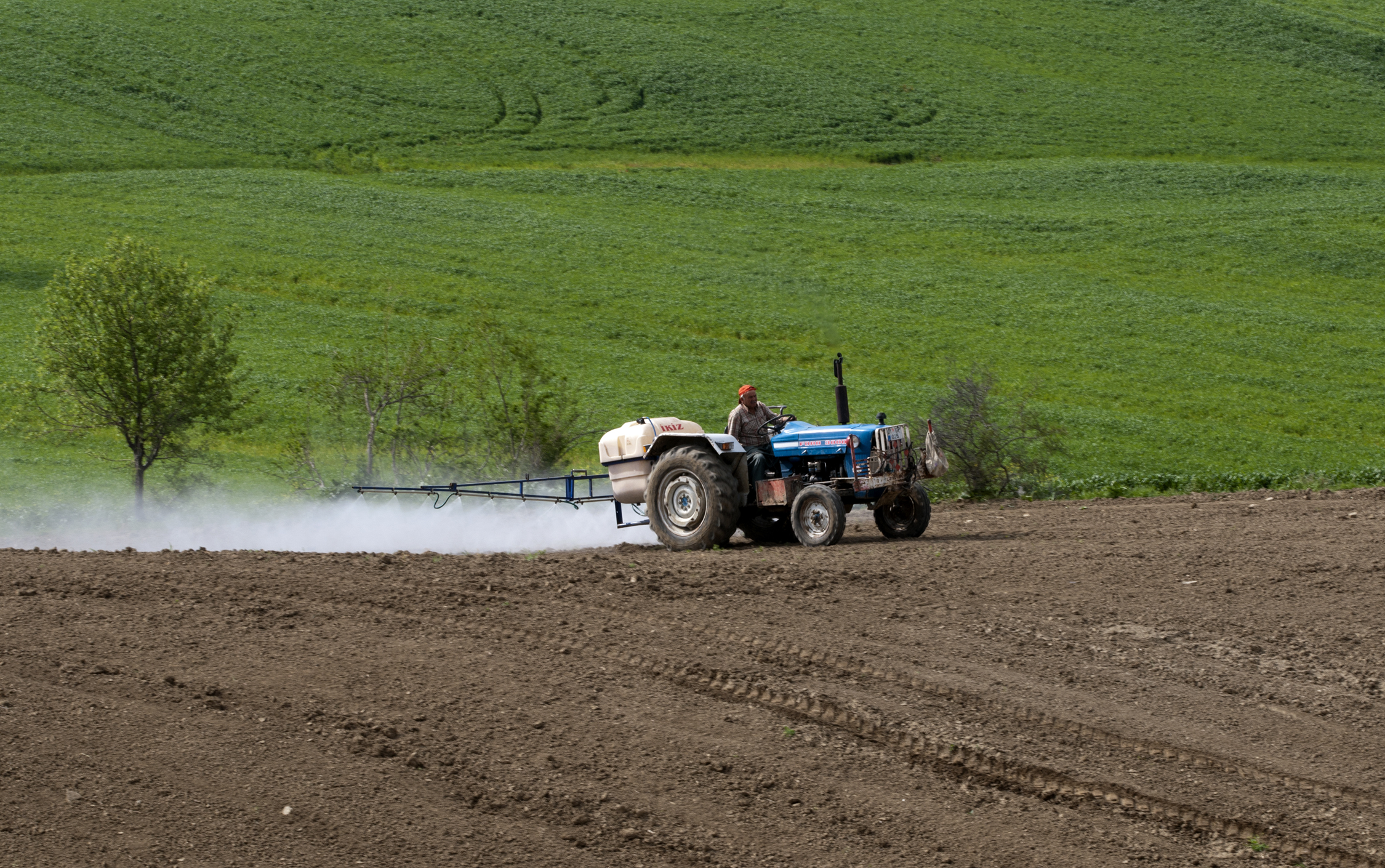
Gulf countries account for nearly 49 per cent of global urea exports, around 30 per cent of ammonia exports, and close to half of all traded sulphur. When QatarEnergy announced in March that it was halting downstream urea production because it could not move its LNG out, the ripple reached wheat fields across the Northern Hemisphere within weeks. Middle East granular urea rose from roughly 450 dollars a tonne before the war to over 700, a jump of about fifty percent. European gas prices nearly doubled, and since natural gas makes up seventy to eighty percent of the production cost of nitrogen fertilisers, the two numbers move together.
FAO Chief Economist Máximo Torero called the disruption “one of the most rapid and severe disruptions to global commodity flows in recent times.” The UN World Food Programme estimates that if oil stays above $100 a barrel beyond June, an additional 45 million people could face acute hunger. “The clock is ticking,” Torero said. “We are in an input crisis. We don’t want to make it a catastrophe.”
The reason a Gulf crisis moves into kitchens so quickly is structural. The Haber-Bosch process, the industrial reaction that converts natural gas into synthetic nitrogen fertiliser, feeds roughly half the people alive today. It also consumes between 1 and 2 per cent of all the energy humanity uses in a year. Our food supply has quietly become a derivative of the natural gas market. In the most intensive agricultural systems, it takes 7 to 10 calories of fossil energy to produce a single calorie of food. Traditional and smallholder farming runs on far less. But the industrial model is the one that produces most of what moves in global trade, including the cereals and soybean meal that Cyprus imports to feed its own animals. When we buy that feed, we buy its embedded fossil fuel too.
The Cyprus balance sheet
For us, the Hormuz shock arrives on top of our own structural problems. Cyprus imports most of its cereals. In 2024 domestic cereal production was about 29,000 tonnes, against a historical average of roughly 180,000. Our animal feed sector is built largely on imported grain and imported soybean meal, the latter of which the European Union as a whole is only around three per cent self-sufficient in by protein. When world feed prices rise, Cypriot livestock farmers feel it faster than almost anyone else in Europe.
The first piece of good news in a while is the weather. The winter of 2025 to 2026 has delivered genuinely meaningful rainfall. Reservoir storage, which stood at a catastrophic 13.7 per cent of capacity in February, had climbed to 35.3 per cent by April 9, more than 11 percentage points above the same date last year. The Tamassos dam overflowed on 2 April. Fields across the island are visibly green. A decent cereal harvest is now on the cards. The senior engineer at the Water Development Department, Marios Hadjicostis, was not exaggerating when he called the season’s inflows “life-saving.”
None of this means the structural crisis is over. Cyprus still has the highest Water Exploitation Index in the European Union at 71 per cent, against a severe scarcity threshold of 40. Our temperatures are rising roughly twenty per cent faster than the global average, and rainfall is down around fifteen per cent since 1901. One wet winter is weather. Four consecutive drought years is climate.
And then there is the livestock sector. The foot-and-mouth outbreak that spread from the north into Larnaca district in February has led to the culling of more than 30,000 animals and a grazing ban that pushed farmers onto imported feed, precisely as Hormuz pushed feed prices up. One shock exposed the other.
A quieter statistic sits under all of this. According to the European Medicines Agency’s ESVAC data, Cyprus sells more veterinary antibiotics per kilogram of livestock than any other country in Europe, at 254.7 mg per population correction unit. Iceland uses 4.4. Denmark uses 34. The Cypriot number describes a sector that manages disease through chemistry rather than through system design. Confinement, stress, and routine mass medication are the conditions that produce that kind of figure. They are also the conditions that make an outbreak like foot-and-mouth so devastating when it arrives.
The pattern on the crop side is similar. Ninety-nine per cent of synthetic pesticides are derived from petroleum feedstocks, making them another fossil fuel product hiding in our food. According to Eurostat, Cyprus was the second-highest user of pesticides per hectare in the EU and while the island has made strides toward organic targets, the legacy of intensive use remains stubborn.
Historical data has shown residue exceedances at five times the EU average. A peer-reviewed study by the Organiko LIFE+ project, published in PLOS One, found that switching Cypriot primary school children to an organic diet significantly reduced pesticide biomarkers in their urine and lowered oxidative stress.
When the inputs are petroleum-derived, the health cost is not only environmental. It is personal, and it is measurable in the bodies of our children.
What a less dependent food system actually looks like
The alternative is not a return to subsistence. It is a set of well-documented farming practices that reduce the number of failure points between a Cypriot farmer and a container ship in a war zone.
Start with the soil. No-till farming, in which crops are sown directly into undisturbed ground rather than ploughed fields, cuts fuel consumption by 50 to 80 per cent compared to conventional tillage.
But the gains go well beyond diesel.
In Mediterranean field trials, no-till systems have been shown to retain significantly more soil moisture than ploughed land, with durum wheat studies in southern Italy showing that no-till outperforms conventional tillage specifically when rainfall drops below 300 millimetres during the growing cycle.
Dryland modelling studies have estimated a 21 to 26 per cent wheat yield increase from the improved spring soil moisture alone. For an island where water is the binding constraint on agriculture, this matters as much as any dam or desalination plant.
No-till also builds soil organic matter over time. In the low-organic-matter soils typical of the eastern Mediterranean, where levels often sit below 1 per cent, even modest gains in organic carbon translate directly into improved water-holding capacity and nutrient cycling. It is not a fast process, but it compounds.
In the soils across the Mesaoria plain and much of Cyprus, each percentage point of organic matter gained can hold an additional 70,000 to 100,000 litres of water per hectare in the topsoil alone. In a country that rations water, that is not a marginal gain.
Then there is nitrogen. Legumes, through their symbiosis with Rhizobium bacteria, fix atmospheric nitrogen into the soil for free, at rates ranging from 50 to over 200 kilograms per hectare per year depending on species and conditions. Vetch-barley and vetch-oat mixes, fava bean, chickpea and lentil are all species that thrive in Cypriot conditions and were part of the island’s traditional rotations within living memory.
Every kilogram of nitrogen fixed biologically is a kilogram not manufactured from natural gas, not shipped through a contested strait and not subject to the pricing power of a commodity market in crisis.
Then there are the animals. Mixed crop and livestock systems, where animals are rotated through fields as part of the cropping cycle, close the nutrient loop. Grazing animals convert crop residues and cover crops into manure, which feeds soil biology, which feeds the next crop. The animals benefit too: rotational grazing breaks parasite cycles, reduces chronic stress, and with it the need for routine antibiotics. This is how most of Cyprus farmed until the second half of the twentieth century. It is also, according to a 2022 meta-analysis in ecological economics, on average more profitable than conventional monoculture even after accounting for higher labour costs.
At the Cypriot end of the argument, there is also a tree we essentially stopped taking seriously.
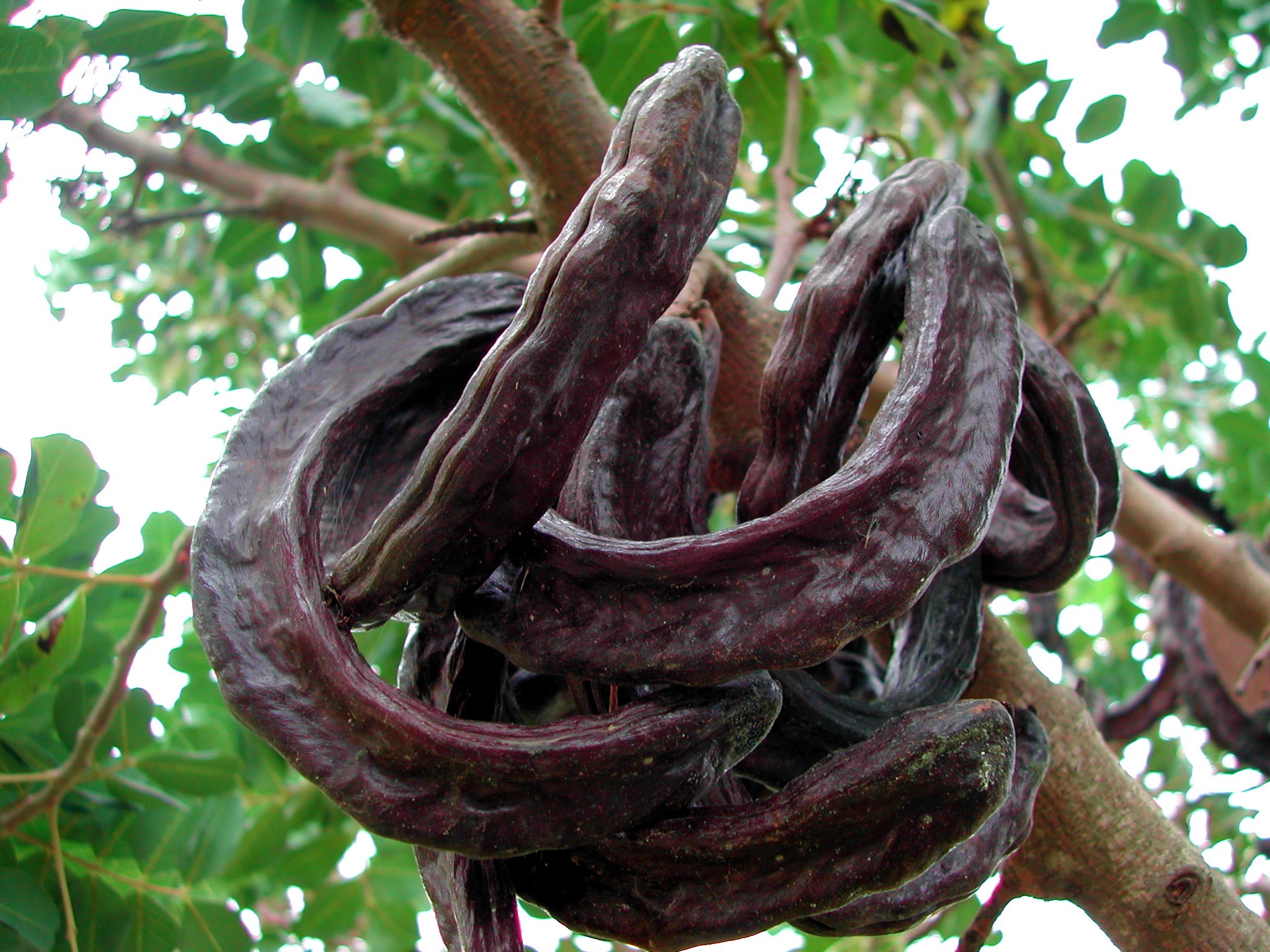
Carob pod meal, evaluated by the Agricultural Research Institute in Nicosia as early as the 1960s, can replace up to a quarter of the barley in lamb diets with no effect on growth or meat quality, and up to a third in calf and goat rations. Its condensed tannins even suppress gastrointestinal parasites. The area of carob cultivation across the Mediterranean has shrunk by about 65 per cent this century.
Cyprus used to call this tree its black gold. It is drought-tolerant and protein-supplementing, tolerates our poorest soils and grows here without irrigation. Bringing it back is not nostalgia. It is infrastructure.
Food security is energy security
The deeper lesson of the past seven weeks is the one we have not yet absorbed. For most of human history, food was solar. Photosynthesis captured sunlight, animals ate plants, humans ate both and soil fertility was maintained through rotations, manure, and legumes.
Over the course of the 20th century, we replaced a large part of that solar system with a fossil one.
The calories on our plates now contain, invisibly, Qatari gas, Iranian urea and diesel burnt in a field in Ukraine. When that supply chain is working, the system looks abundant and cheap. When it is not, the fragility becomes visible overnight.
Food security in the 21st century is, at its foundation, energy security. A country that imports its fertiliser imports its weather too, in the form of whoever controls the gas that makes the fertiliser. A country that grows its own nitrogen, through legumes and livestock and trees, is less at the mercy of other people’s wars.
Cyprus will not feed itself entirely. No small island does. But the distance between total dependence and reasonable autonomy is not ideological, and it is not out of reach. It begins with the soil under our feet, and with a few species, carob among them, that were feeding this island long before anyone had heard of Hormuz.
Nicolas Netien is an environmental engineer, specialising in agroecology and permaculture design, based in Cyprus




Click here to change your cookie preferences