
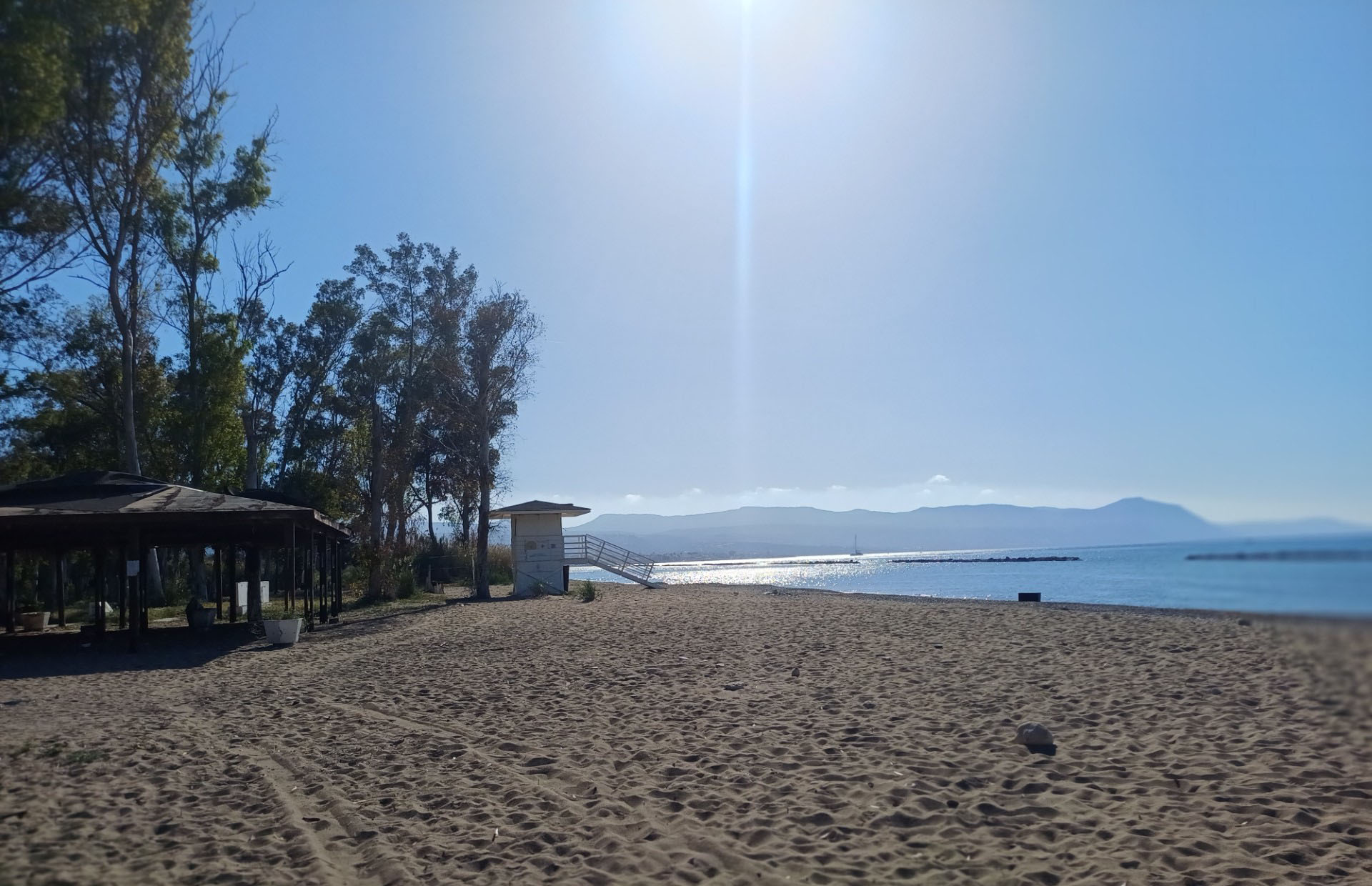
Will redevelopment rescue or ruin a once beloved venue?
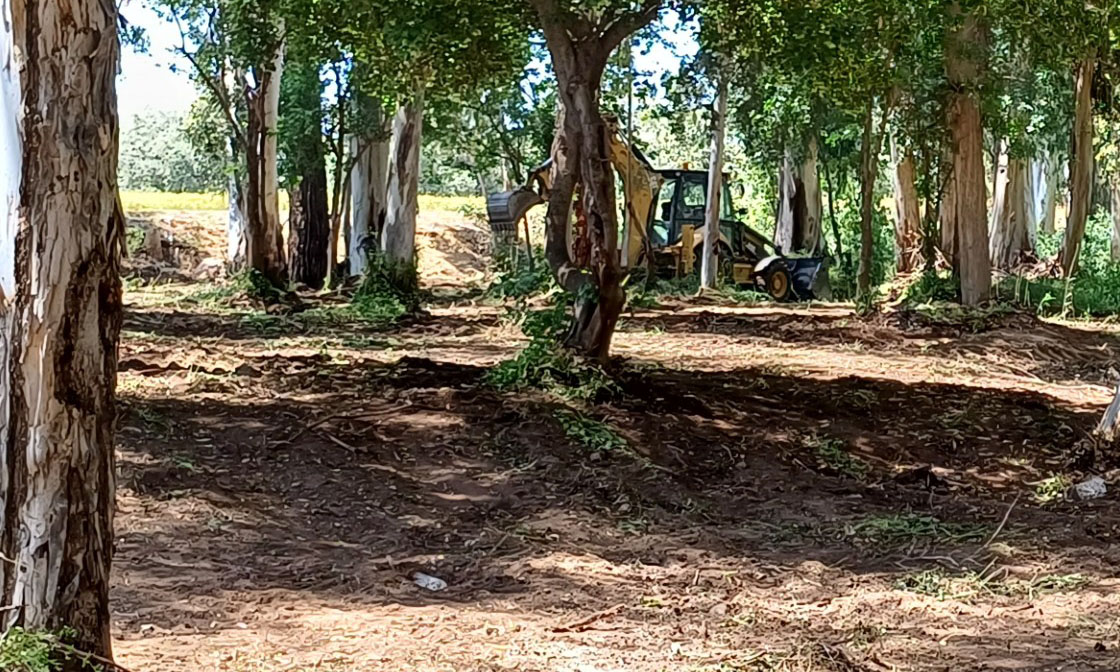
The dice have been officially cast on the redevelopment of the Polis Chrysochous campsite, with bulldozers having entered the site this week and the municipality confirming it will remain closed until next summer.
The protracted project is now finally moving forward under the direction of Cypriot investor, Costas Myrianthous, marking a decisive shift after years of uncertainty and increasing stagnation.
The once thriving coastal campsite at Polis Chrysochous, picturesquely framed by the Akamas cape and famous for its eucalyptus trees, was never an upmarket destination. It catered mostly for the alternative crowd who fell in love with its laidback, relaxed atmosphere and did not mind the basic facilities on offer.
It offered a welcome contrast to more regulated and built up tourist facilities such as those in Protaras, Limassol and Paphos.
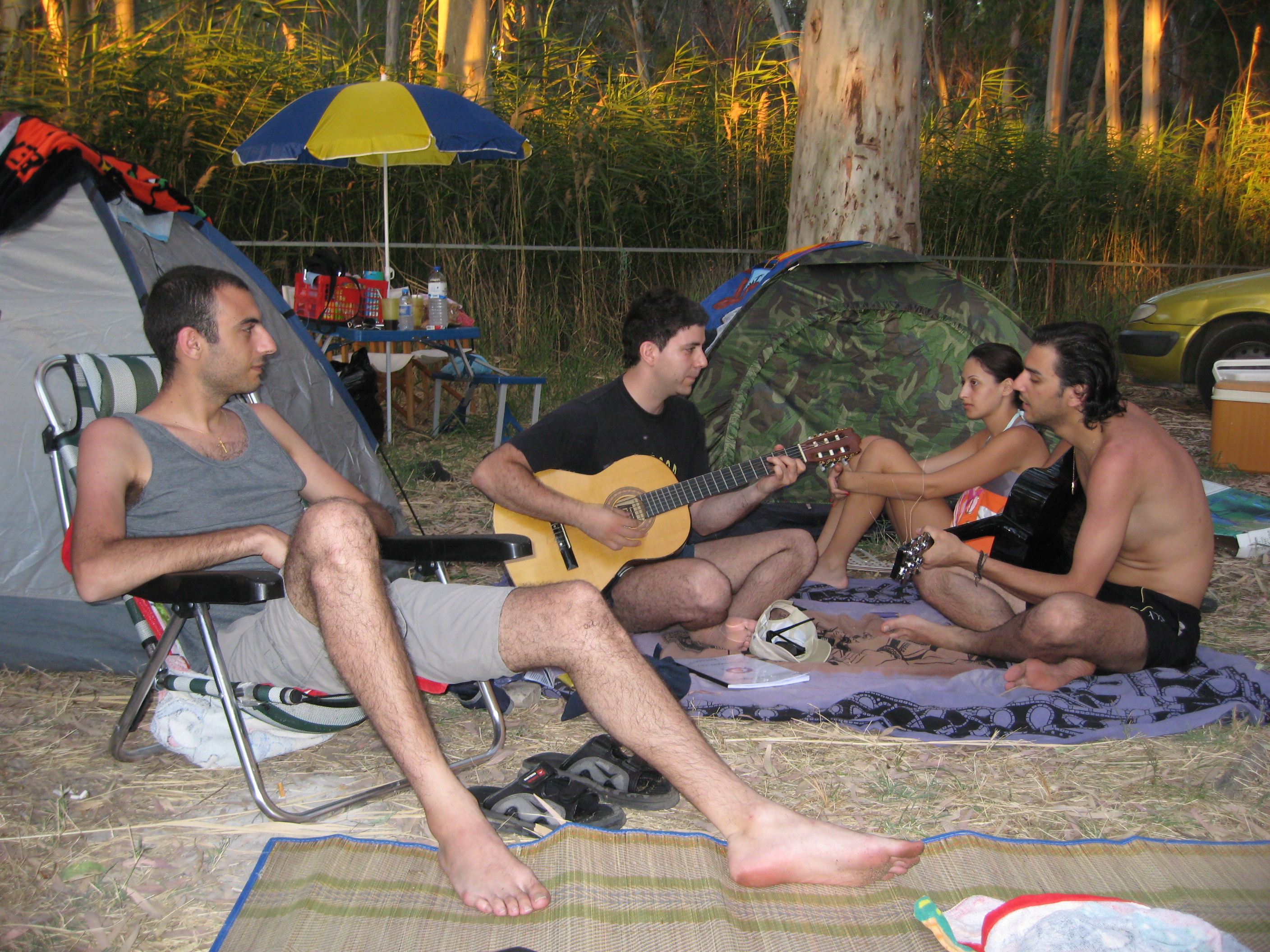
Alex Kalimeri, a frequent visitor to Polis, remembers days spent “swimming to the rocks and back” and evenings where “watching sunset here was something unlike anywhere else on the island”.
Like many others she fears what the planned redevelopment will mean.
The site has officially been closed since 2023 following the transfer of full control to the local authority after a protracted legal dispute with the former manager.
Under the current plan, the site is set to include the demolition of ageing structures and the construction of new facilities such as a beach restaurant, modern sanitary blocks, a recreation centre and upgraded infrastructure.
Plans also provide for paved internal roads, designated private caravan areas, improved utility connections, alongside a small artificial pond to manage water from a natural spring.
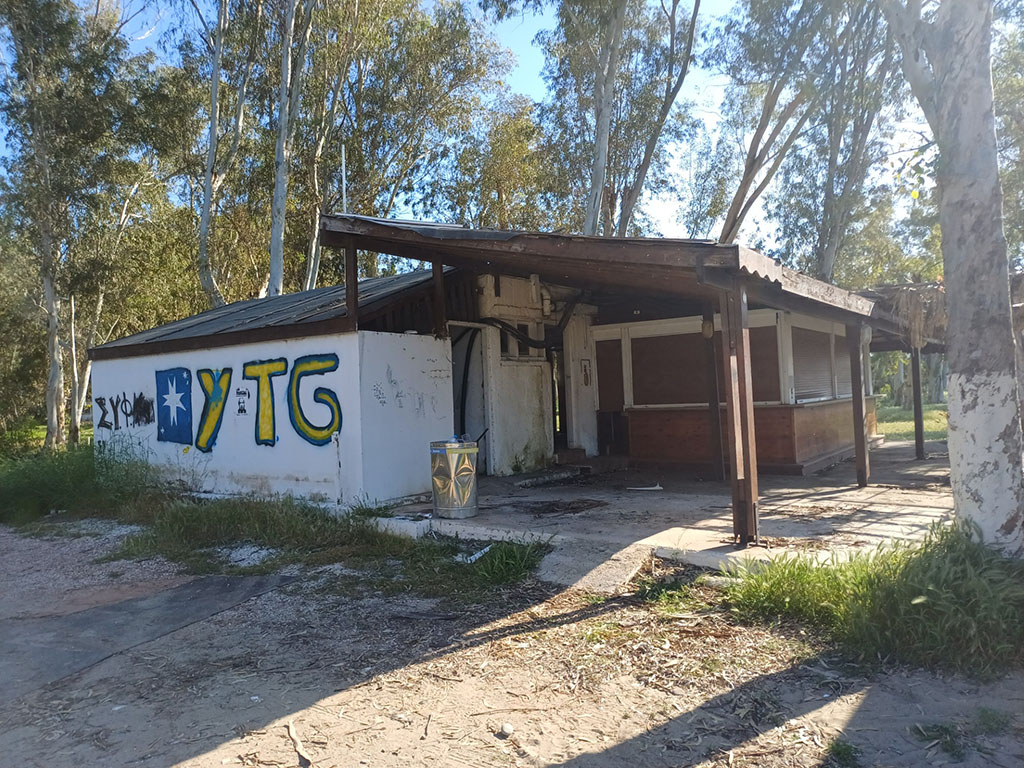
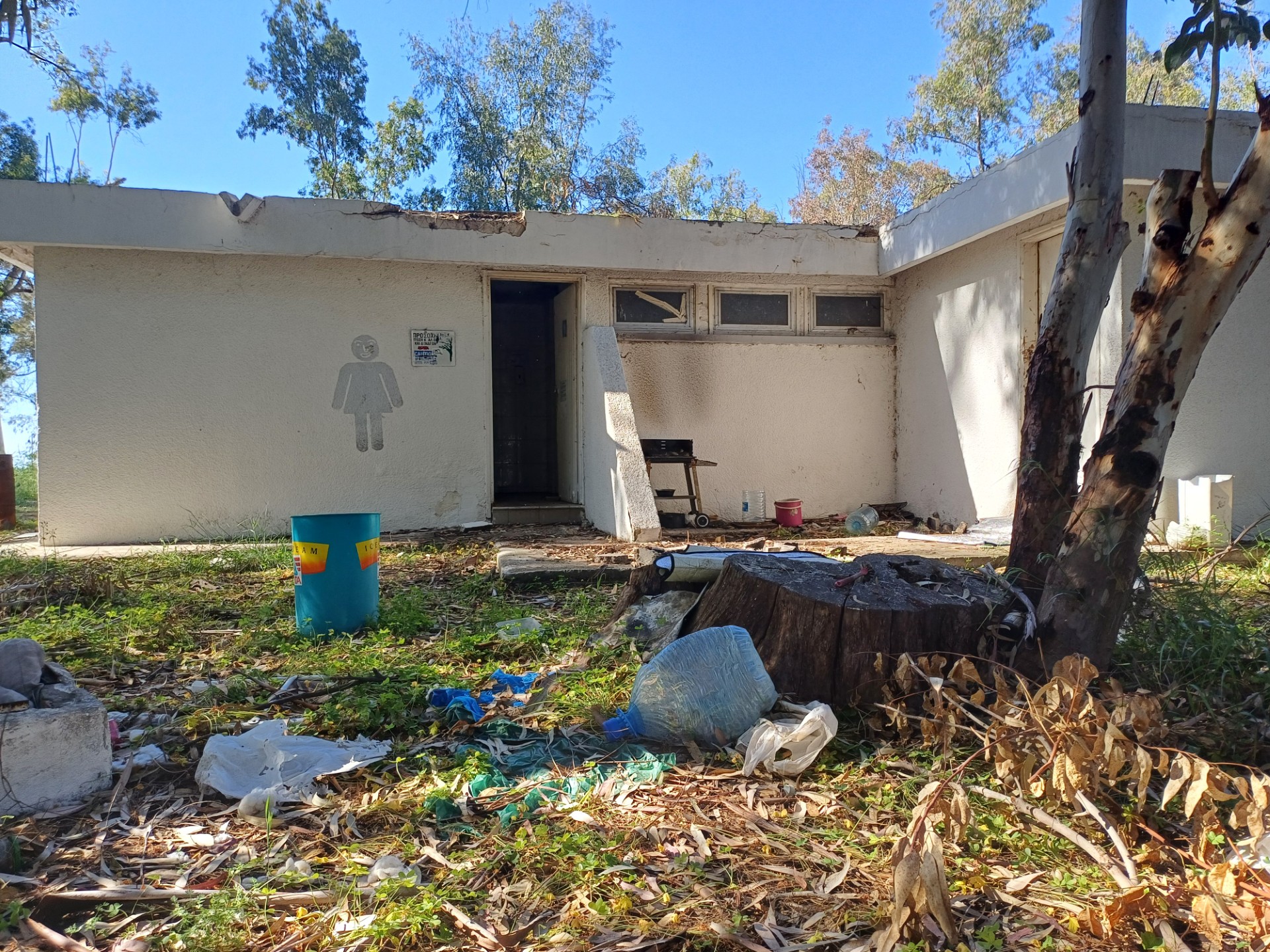
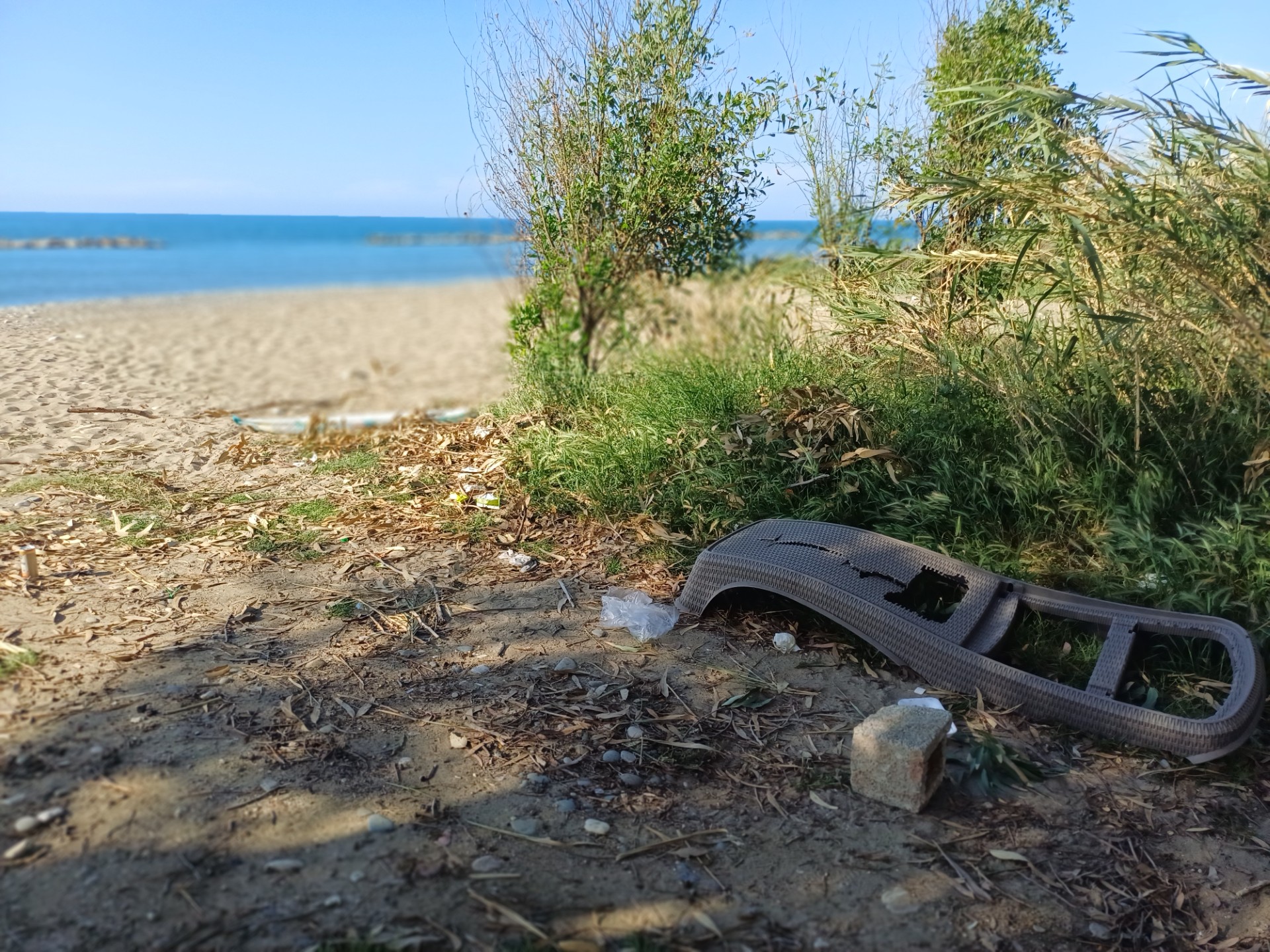
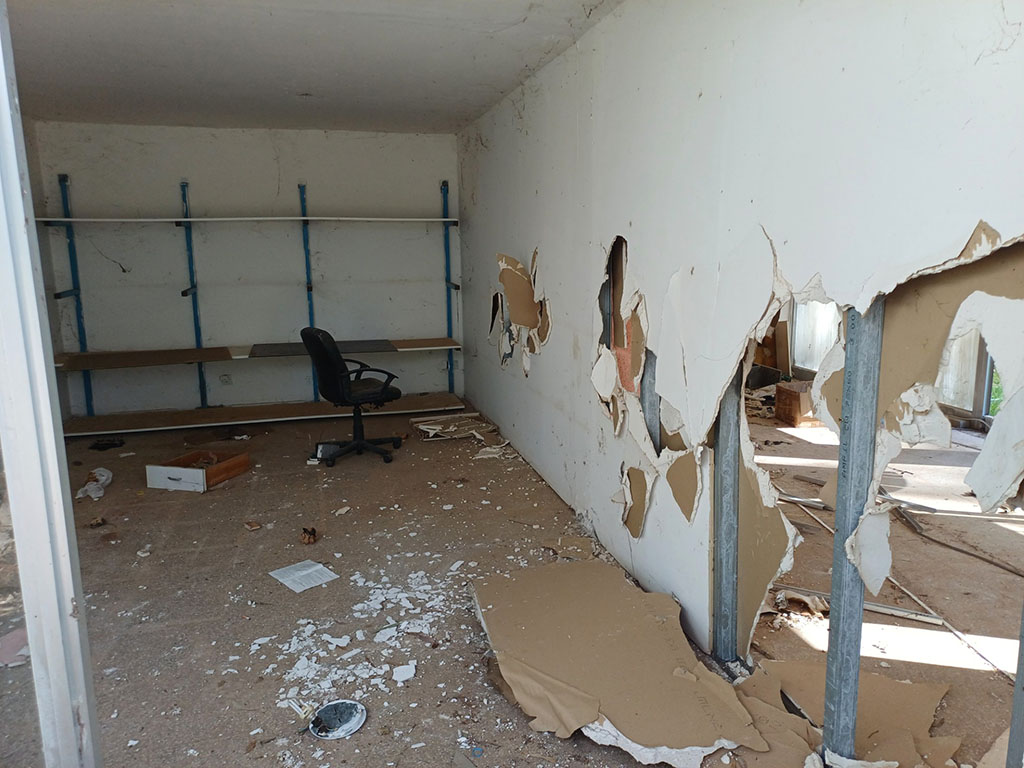
Since shutting shop in 2023, the campsite devolved into a state of total deterioration.
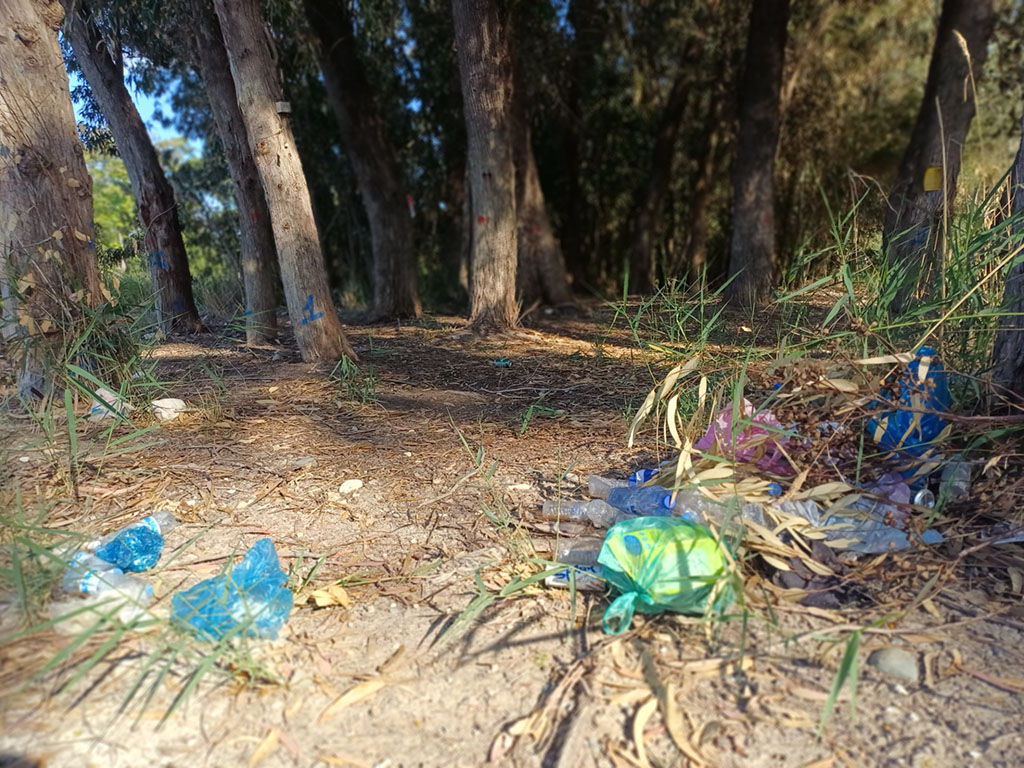
Basic infrastructure such as toilets remained in place, but without maintenance and having been taken off the grid, the site devolved into a state of absolute squalor for the now ‘illegal’ campers who still used the facilities.
The beachside bar, once a favoured spot for a cocktail as the sun set, stood empty, neglected and at the mercy of the elements.
Originally developed in the late 1970s by the now-defunct Cyprus Tourism Organisation, the campsite was later managed by a private operator before being leased to the Polis Chrysochous municipality in 2011.
Over time, the facility fell into disrepair, with ageing infrastructure, hygiene concerns and mounting complaints about management.
Efforts to modernise the site were repeatedly delayed by a dispute between the municipality and the operator, who claimed rights to remain based on past investments.
The standoff escalated into legal proceedings initiated in 2017, preventing any meaningful upgrade for years.
The deadlock was only resolved in October 2023, when the two sides reached an out-of-court settlement.
The agreement provided for the immediate return of the site to municipal control and the recognition of outstanding rental arrears.
Despite the municipality regaining control, progress remained markedly stagnant till late last year, when Myrianthous, cousin to Edek MP and prominent Paphos accountant Elias Myrianthous, was awarded the tender for redevelopment, with a projected budget of around €2.5 million.
During this hiatus however, the physical condition of the campsite deteriorated significantly.
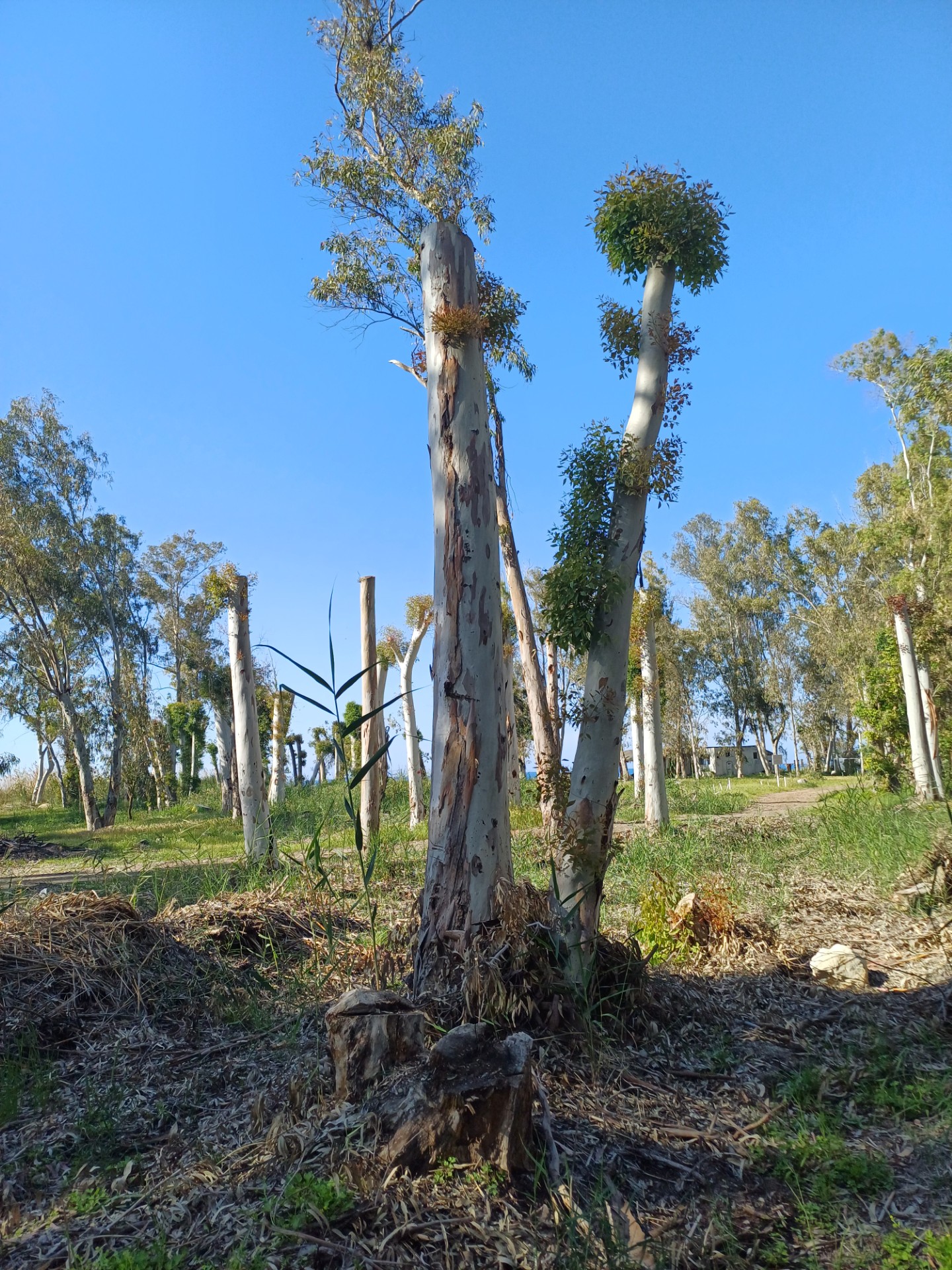
Environmental concerns were raised as parts of the characteristic eucalyptus grove, a defining feature of the campsite, were cut back and felled.
Ecologists’ MP, Charalambos Theopemptou, described the eucalyptus trees, specifically eucalyptus gomphocephala, having originally been introduced during the British period, as “a unique species” forming part of the area’s identity.
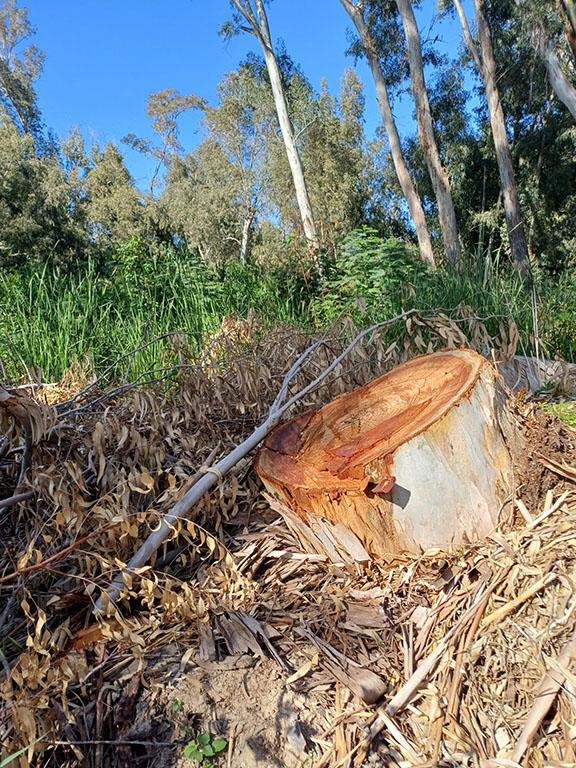
While admitting that the trees’ branches “have a tendency to fall and leave deadwood around”, this did “not justify the excessive cutting” which he had observed in recent years.
He further remarked that the site’s abandonment left it vulnerable to illegal tree felling.
The Polis campsite, once a cornerstone of Cyprus’ touristic assets, instead became a symbol of squandered opportunities.
Its prolonged closure removed a major low-cost accommodation option, particularly affecting domestic tourists.
For former campers, the site’s decline carried a personal dimension. Kalimeri recalled the site as “a place full of fond childhood memories, where we could go and truly unwind from it all”.
Remarking on the present state of affairs, she lamented its decline, describing the site’s current condition as “truly heartbreaking to see, when I went back it was like walking around a former warzone it’s just so desolate”.
Over time, the campsite’s informal character also contributed to tensions regarding its future.
While some advocated for minimal intervention to preserve its natural appeal, others argued that significant investment was needed to bring it up to modern standards.
Previous operators maintained that modest upgrades would suffice.
The former manager argued at the time that only “some minor adjustments” could improve the site without altering its character, warning that large-scale redevelopment risked undermining its appeal.
Others, including local authorities, maintained that a comprehensive overhaul was necessary to ensure safety, hygiene and long-term viability.
Speaking to the Cyprus Mail, Myrianthous insisted that the “character of the campsite is not open to discussion and redevelopment will ensure its preservation”.
Furthermore, he assured that “concrete renderings of the proposal will be released within the next three to four weeks”, with current work focusing on clearing out the site in preparation for further phases.
Mayor Yiotis Papachristofi has repeatedly emphasised the site’s importance to the region, describing it as “a popular holiday spot in an area, until recently, lacking large-scale tourist accommodation”.
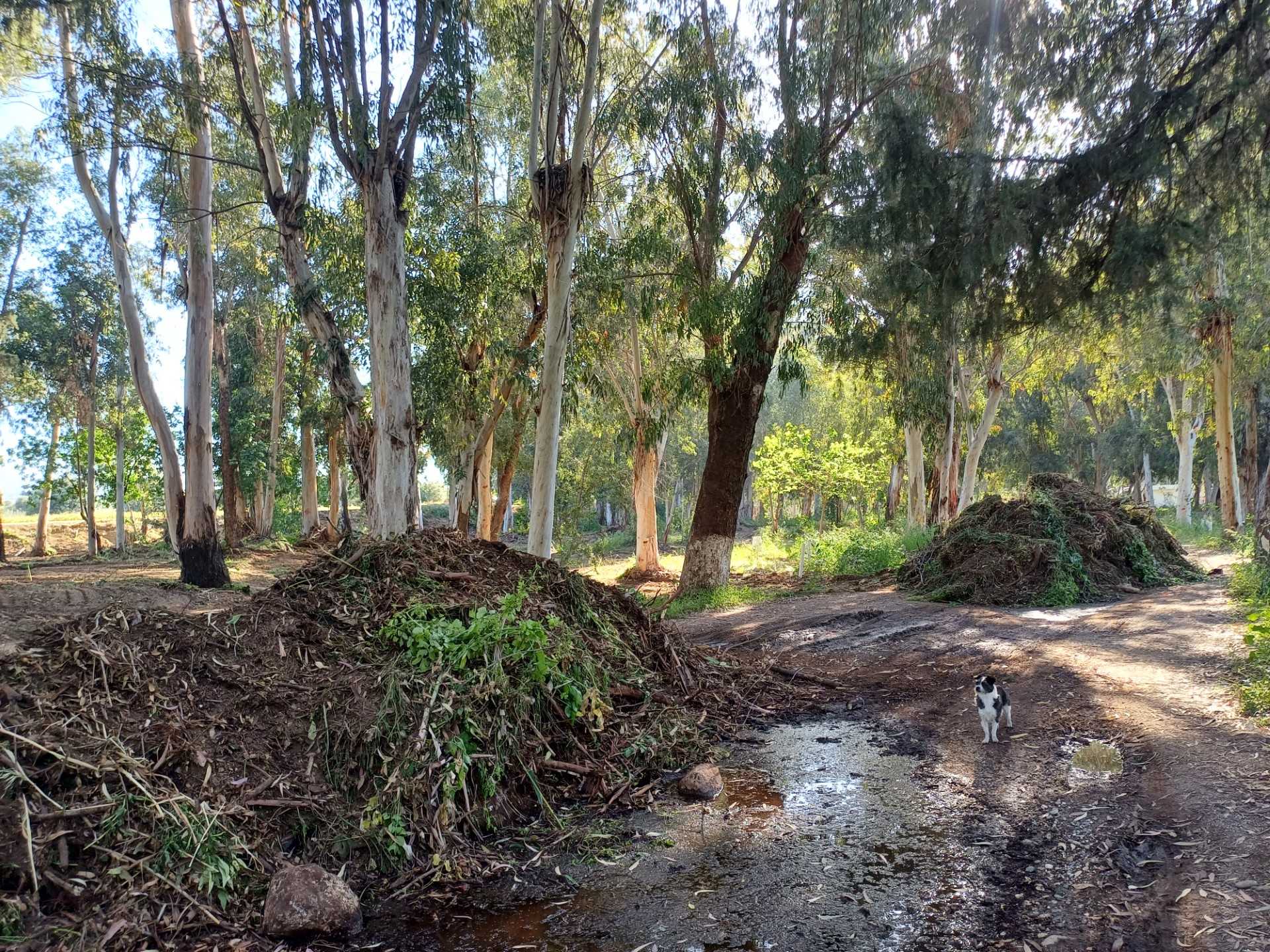
He has also highlighted its natural advantages, calling it “a privileged location surrounded by eucalyptus trees and a beach which is second to none”.
Papachristofi stressed that “the present agreement includes obligations to maintain the site and deliver the planned upgrades within the specified timeframe, with penalties of up to €100,000 for non-compliance.”
Under proposed terms, the operator would manage the site under an initial 29-year lease, potentially extending to several decades.
Reflecting on the changes now at hand, Kalimeri was hesitant, questioning the broader trajectory of development on the island.
“Is it not enough that they bulldozed the caravans in Akamas? Is it not enough that they encroached on to the last stretch of this rock we haven’t ruined with hotels and villas? For God’s sake can we save nothing from the hands of the developers?”





Click here to change your cookie preferences