
What a nail-biting football match in the UK and Doria Varoshiotou’s case at the ECtHR have in common
Last Sunday Arsenal played West Ham in the English Premier League. It was a hugely important game with Arsenal needing a win to lead the table two points ahead of Manchester City. Any other outcome meant that the league was going to be wide open with two matches left to play.
The score stood at 0-0 until the 86th minute. West Ham – fighting themselves to avoid relegation – had missed a golden opportunity to score a few minutes earlier, with Arsenal goalkeeper David Raya – not for the first time this season – making a stupendous save to keep us in the game.
Then, somehow, an intense release of emotion as Trossard scored the goal to make it 1-0 to the Arsenal.
Surely, we wouldn’t throw it away now.
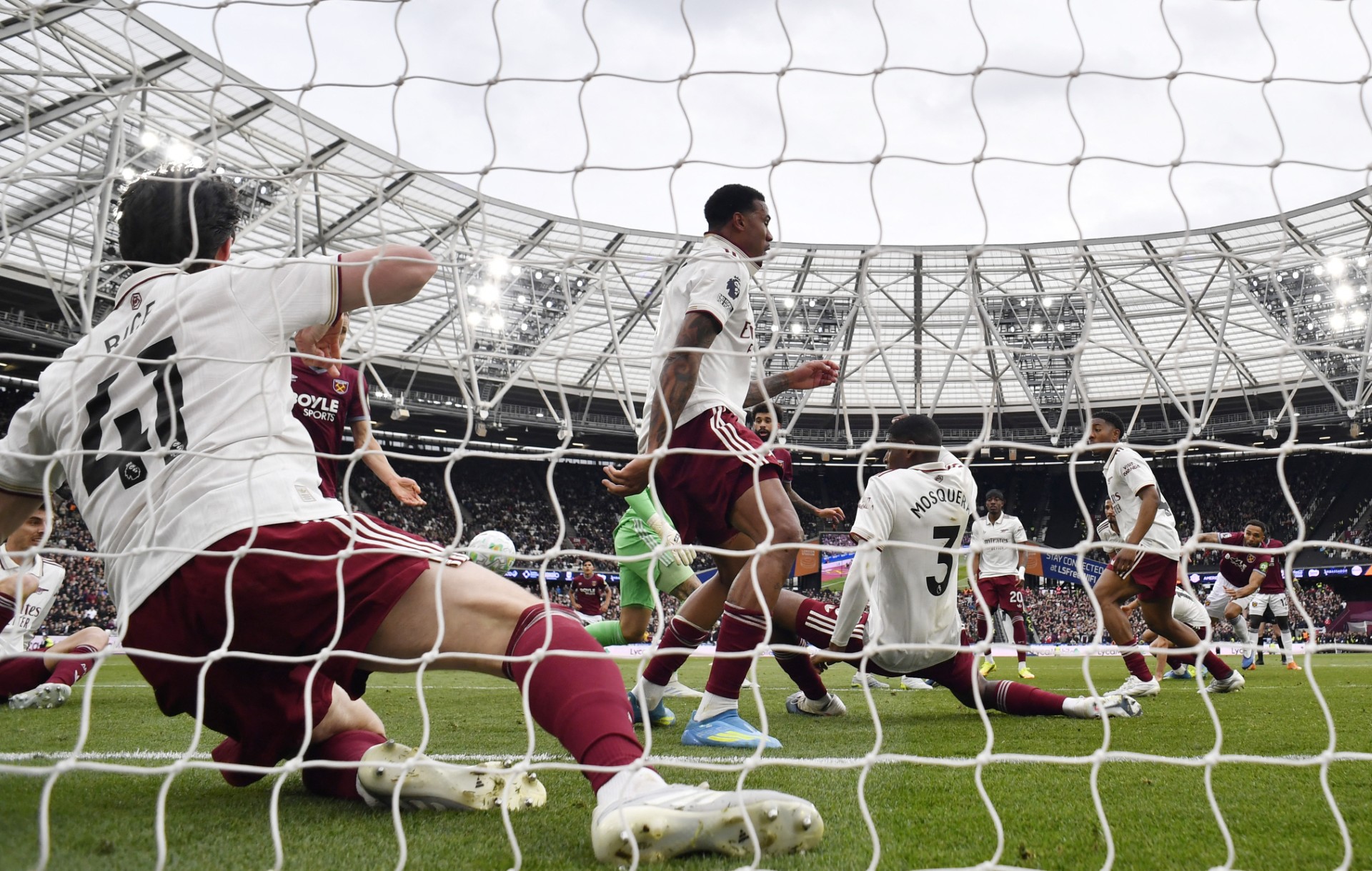
A final corner for West Ham. I couldn’t bear it. A melee. Bodies everywhere. Pushing, shoving and Raya jumping, losing the ball. A shot at goal and Rice blocks it. Did it cross the goal line? It all happened so quickly. The referee awards a goal!! I could already see the heading of my next column: “The agony of being an Arsenal fan”.
But wait a moment. The Arsenal players surround the referee. A VAR review is taking place. What is going on? Five agonising minutes go by before the referee disallows the goal for a foul on the goalkeeper. I watch the replay again and again but cannot make head or tails of it. It doesn’t really matter, I am just relieved that we finally made it.
Social media, as well as the traditional press, have since had a field day arguing over whether the VAR decision was correct. Was it a foul or was it not? The answer appears to shift not only between Arsenal and West Ham fans but also depending on where you sit on the like/dislike Arsenal spectrum.
Even after reviewing the incident with a cooler head and the benefit of better camera angles, there remains disagreement over what the correct decision should have been. The heading of Jonathan Wilson’s thoughtful article in the Guardian tried to remain impartial. “West Ham’s goal against Arsenal was correctly disallowed,” it read. “The rest is just noise.” Similarly, the referee’s chief, Howard Webb, praised the VAR process in ruling out the goal.
The whole episode made me wonder whether truth is really an objective concept, and even if it is, whether it matters at all. Because in truth when one looks at the photo of the West Ham player with his arm across Raya’s neck and his hand pulling the arm of the goalkeeper, it is difficult to dispute that a foul occurred. Yet, people still argue. Even if there was a foul, some insist the goal should have stood because VAR decisions are inconsistent, and Arsenal themselves have benefitted from similar incidents in the past.
Truth, it seems, depends on where one stands.
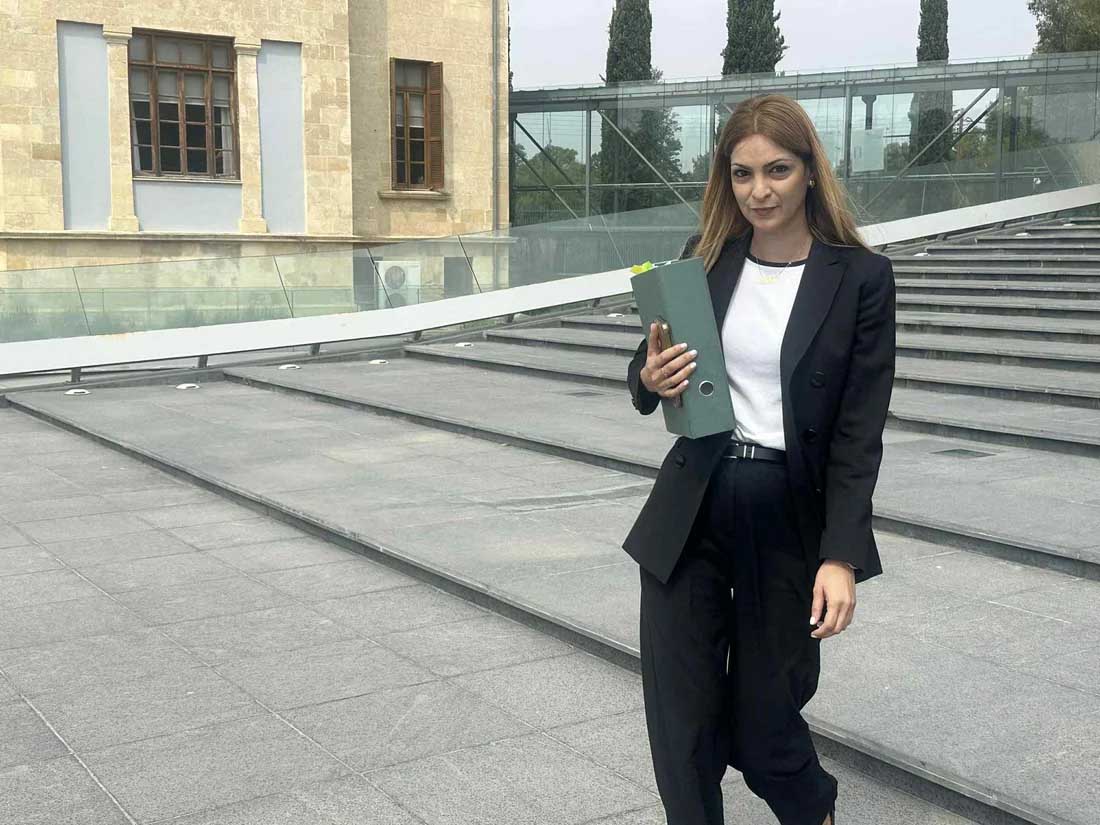
I could not help but draw the same association with the case of Doria Varoshiotou – the Limassol district judge who was not confirmed as a permanent judge by the Supreme Judicial Council last year. I wrote then, in the Sunday Mail of July 13, 2025, that the Cyprus judicial system was cracking under the weight of its own incompetence.
In that case also there seemed to be conflicting views as to whether the termination of Varoshiotou’s appointment was justified. Lawyers in particular were quick to opine whether she was fit to be a judge. More broadly, public opinion seemed largely to depend on whether people believed the decision was based on her stance in the Thanasis case, in which she returned a murder verdict in a heavily publicised 20-year-long case.
As I argued last year, it is almost impossible to be able to draw a definitive answer to that question. But what was clear to me then, and what Varoshiotou is trying to prove now before the European Court of Human Rights (ECtHR), is that the process that the Supreme Judicial Council followed was flawed and she was denied basic human rights in making up her case.
The case last year coincided with two other judgements by the ECtHR sharply criticising the judicial system in separate cases involving the rape of two women in Cyprus. At the time the deputy attorney-general came close to resigning. Now, the matter appears largely forgotten. Ironically the attorney-general is approaching retirement, and you can guess who is in line to replace him.
As if further corroboration were needed regarding the state of our judicial system, another recent case before the ECtHR, that of Konstantinou v Cyprus, delivered yet another rebuke. In that case, Konstantinou, himself a judge, was passed over for promotion by the Supreme Judicial Council and was denied the right to challenge the decision.
The European Court concluded – in another blow to Cyprus – “that the decision to promote others over the applicant without any judicial review of that decision cannot be regarded, in view of the importance of the protection of judicial independence, as being in the interest of a State governed by the rule of law”.
Judges, like referees, are ultimately arbiters between competing viewpoints. They are expected to apply the law impartially as it applies to the case before them. To do so effectively they must inspire confidence and trust both in the integrity of the process and in their own independence.
In the Arsenal-West Ham game, the BBC’s Match of the day felt compelled to invite a representative from the referee association to explain the decision. He gave a masterful performance, patiently explaining (despite the animated arguments of the two pundits), how the process was followed, concluding matter-of-factly that in the end, the right decision was made.
Alas for Varoshiotou, there is no VAR playback that can be reviewed to come to the right decision. Instead of those five agonising minutes that felt like eternity to Arsenal and West Ham fans last Sunday, she may have to wait years for a judgement she hopes will vindicate her. It is a damning indictment that our own judicial system is unable to perform that role. Some may argue that unlike politicians, the judiciary still enjoys a higher degree of public trust.
That may be true. But, as standards go, that is an exceedingly low bar.
I for one wish Varoshiotou fortitude in her journey to Strasbourg. Perhaps that way she can add another stone in the effort to cleanse the judicial system in Cyprus. If she is successful in that, then we are all going to owe her a debt of gratitude.
Loukis Skaliotis is an economist



Click here to change your cookie preferences