
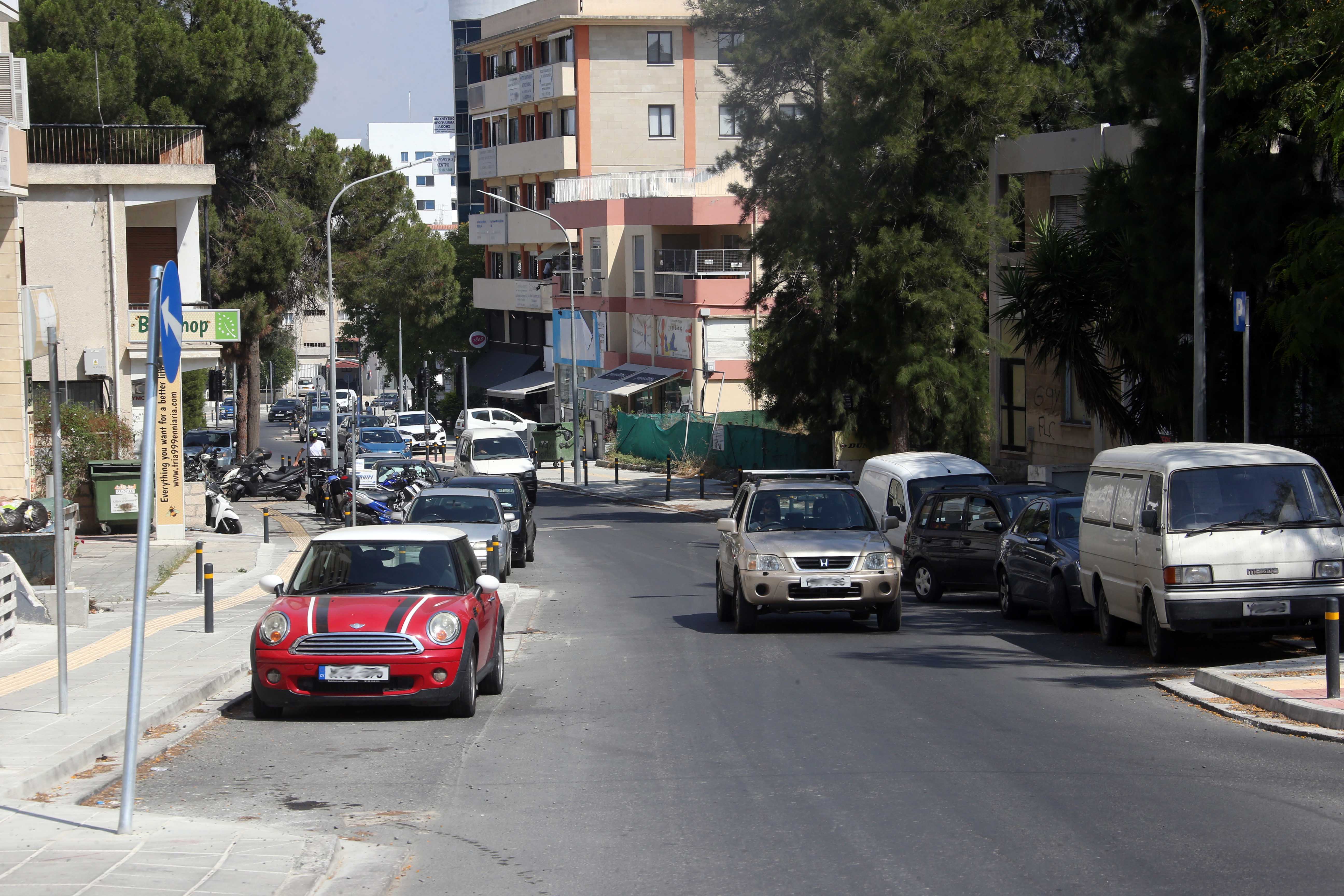
Many European cities have successfully addressed chronic traffic congestion through the strategic introduction of one-way street systems along their main urban road networks.
Under a one-way traffic system, vehicles move in a single direction, significantly reducing the number of crossing conflicts at intersections and allowing for the removal or simplification of many existing traffic lights. This results in smoother and more continuous traffic flow, shorter travel times and fewer unnecessary delays for drivers.
At the same time, road safety is substantially improved. Since all vehicles travel in the same direction, the likelihood of serious side-impact and head-on collisions is greatly reduced. This is particularly important for vulnerable road users such as motorcyclists, cyclists and delivery drivers, who are currently exposed to increased risks in congested urban environments.
An additional major benefit is the more efficient use of existing road infrastructure. Roads that currently allocate space to two opposing directions of traffic can instead provide multiple lanes moving in the same direction, effectively increasing road capacity without the need for costly road widening projects. This also creates the opportunity to introduce dedicated bus lanes, bicycle lanes and lanes for electric scooters, encouraging the use of public and environmentally friendly transportation.
One-way systems also improve overall traffic discipline and driver behaviour. Traffic becomes more organised and predictable, reducing sudden lane changes, dangerous overtaking and driver frustration. Visibility at junctions improves considerably for both motorists and pedestrians, making roads safer and easier to navigate.
Emergency services would also benefit significantly. Ambulances, fire engines and police vehicles could move more quickly and efficiently through urban areas due to the smoother and more predictable flow of traffic. Faster emergency response times can ultimately save lives.
Furthermore, reduced congestion leads directly to lower fuel consumption, fewer vehicle emissions and reduced air and noise pollution. Vehicles spend less time idling in long queues, which not only lowers transportation costs for the public but also contributes positively to environmental sustainability and public health.
The economic impact of traffic congestion is often underestimated. Thousands of drivers lose countless productive hours every week while trapped in traffic. Businesses face delays in deliveries and transportation, employees arrive at work stressed and exhausted, and families lose valuable personal time. Most drivers would undoubtedly prefer to travel a few additional kilometres in a predictable and efficient road network rather than remain stuck for long periods in stationary traffic.
Importantly, the implementation cost of one-way systems is relatively low compared to large-scale infrastructure projects such as flyovers, tunnels or new highways. In many cases, implementation requires primarily road markings, signage adjustments, traffic management planning and minor infrastructure modifications. This means that substantial improvements could be achieved within a relatively short timeframe and with limited public expenditure.
Several European cities have already demonstrated that properly designed one-way systems can revitalise urban mobility, improve safety, reduce pollution and enhance the overall quality of life for residents. With proper planning, consultation and phased implementation, similar measures could provide a practical, realistic and cost-effective solution to the growing traffic problems faced by Cypriot cities today.
Yiannos Ioannou, Nicosia





Click here to change your cookie preferences