
Four films that went to extreme lengths on the minutiae
Sometimes films will go to unnecessary lengths to ensure realism and elicit actual emotions from audiences, even when it comes down to the most minute details. Most of the time this is hailed as devotion to the art, although sometimes, things get out of hand. Four films that went to extreme lengths for minor details that almost nobody noticed.
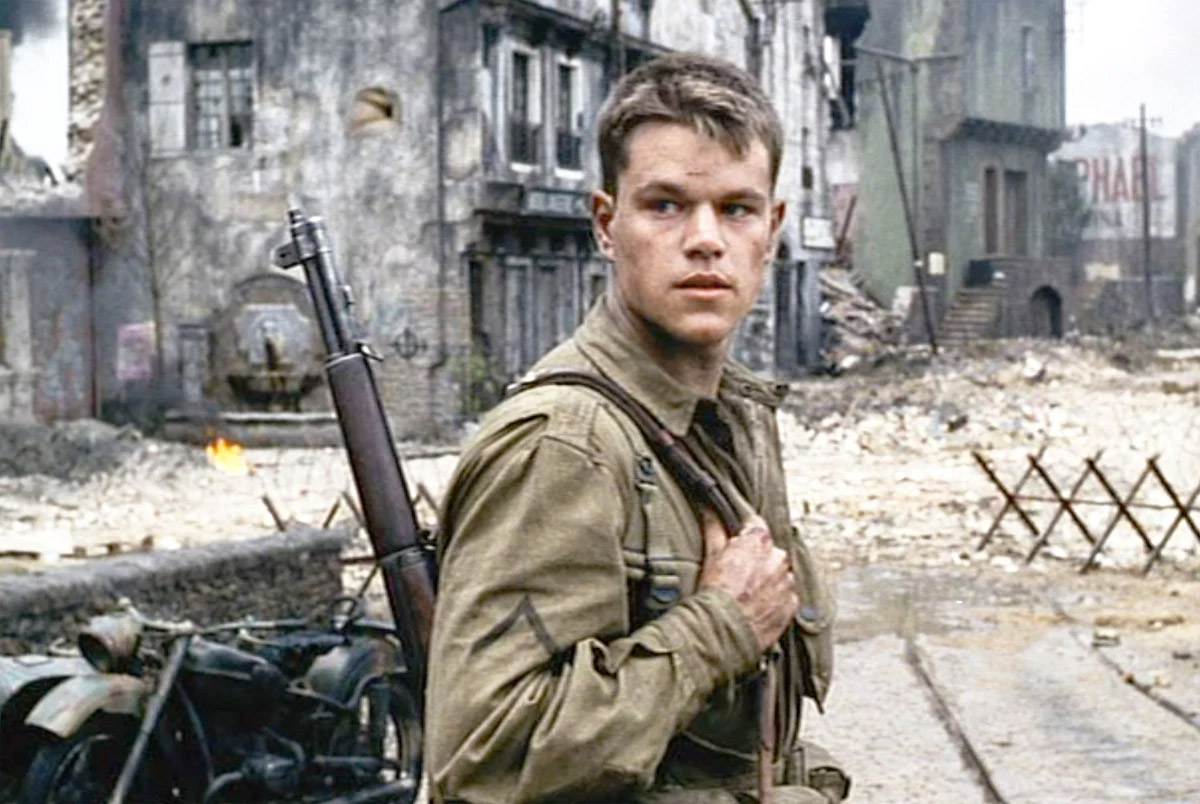
Spielberg wanted the cast of Saving Private Ryan to really, REALLY hate Matt Damon
Saving Private Ryan, Steven Spielberg’s 1998 World War II epic, tells the story of a group of soldiers tasked with going deep behind enemy lines to save one man after all of his brothers are killed in action and the US President decides to spare the family any more pain. Spielberg went all in on realism, heavily spending on practical effects and recreating items and locations of the era. He even sent the principal cast on a two-week gruelling military boot camp so they could learn how to survive as soldiers of that era. The cast went on long-distance marches with full gear from the time, dug trenches, slept outdoors and learned tactical manoeuvres.
Spielberg took it a step further though, as he decided not to have Matt Damon join the rest, hoping that his fellow actors would subconsciously despise him for this preferential treatment, reflecting how their characters would feel if they were forced to risk their lives for just one man.
According to cast interviews, it worked!
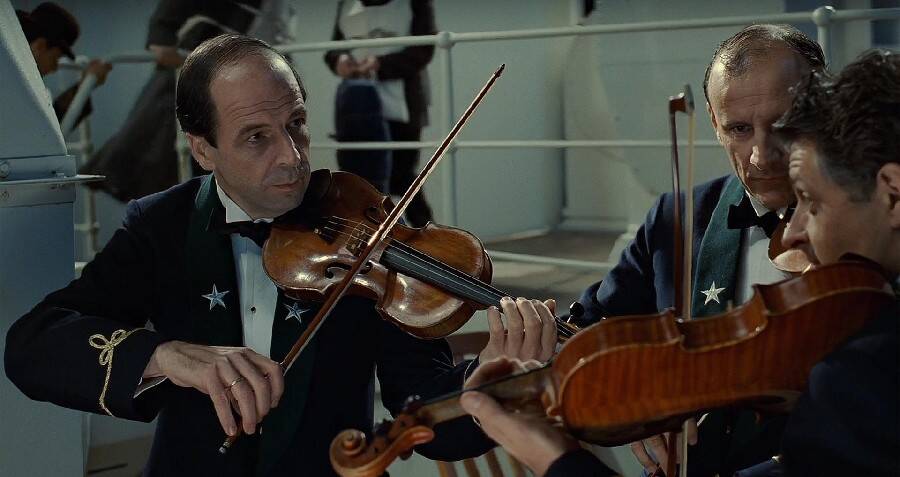
James Cameron recreated the Titanic’s final moments, down to the musical score
James Cameron is obsessed with the Titanic wreck. Cameron talks more about the Titanic and deep-sea submersibles than Snoop Dogg talks about weed. He was one of the first people to dive to the wreck, so recreating it for the movie was a passion project. He left nothing to chance, even the song the band plays as the ship goes down.
During his extensive research, Cameron found that the ship’s band continued to play throughout the evacuation process to give courage to passengers. He could have left it at that but, being James Cameron, he also found out that the band played the hymn Nearer, My God, to Thee, which is what they perform in the movie. To his credit, it is one of the most haunting scenes in the film.
A real-life naval tragedy is used as a backstory in Jaws
While bonding over showing off old scars and wounds, veteran shark hunter Quint (played by Robert Shaw) recounts a horrifying story about an American warship sinking in the Pacific during World War II, where almost everyone was eaten by sharks. It is a harrowing tale and is never referenced again in the film. So the writers could have written anything. ANYTHING! Instead, they opted for a story that is 100 per cent true.
In July 1945, a Japanese submarine sank the USS Indianapolis in the Pacific, killing around 300 crew members. The rest, roughly 900 people, ended up in life rafts and over the next few days died from dehydration, exposure and constant shark attacks.
Kubrick tortured his secretary during The Shining for absolutely no reason
Stanley Kubrick was infamous for his dedication to detail, which most of the time elevated his movies, but sometimes was just completely unnecessary.
In The Shining, writer Jack Torrance is slowly driven mad by the secluded hotel where he and his family are staying. A crucial plot point is the revelation that the manuscript he has been working on throughout the movie is not an actual story but instead the repeated phrase “All work and no play makes Jack a dull boy”.
It should come as no surprise that Kubrick demanded the phrase actually be typed out thousands of times on paper, even though most of it was never clearly seen on camera. What makes this even more insane is that Kubrick had his secretary translate the phrase into other languages and type it thousands of times in those languages as well!
Kubrick said he did not want to use subtitles because it would hurt the realism, so when the movie was shown in another country, the manuscript seen on screen would actually feature the phrase in that country’s native language.





Click here to change your cookie preferences