
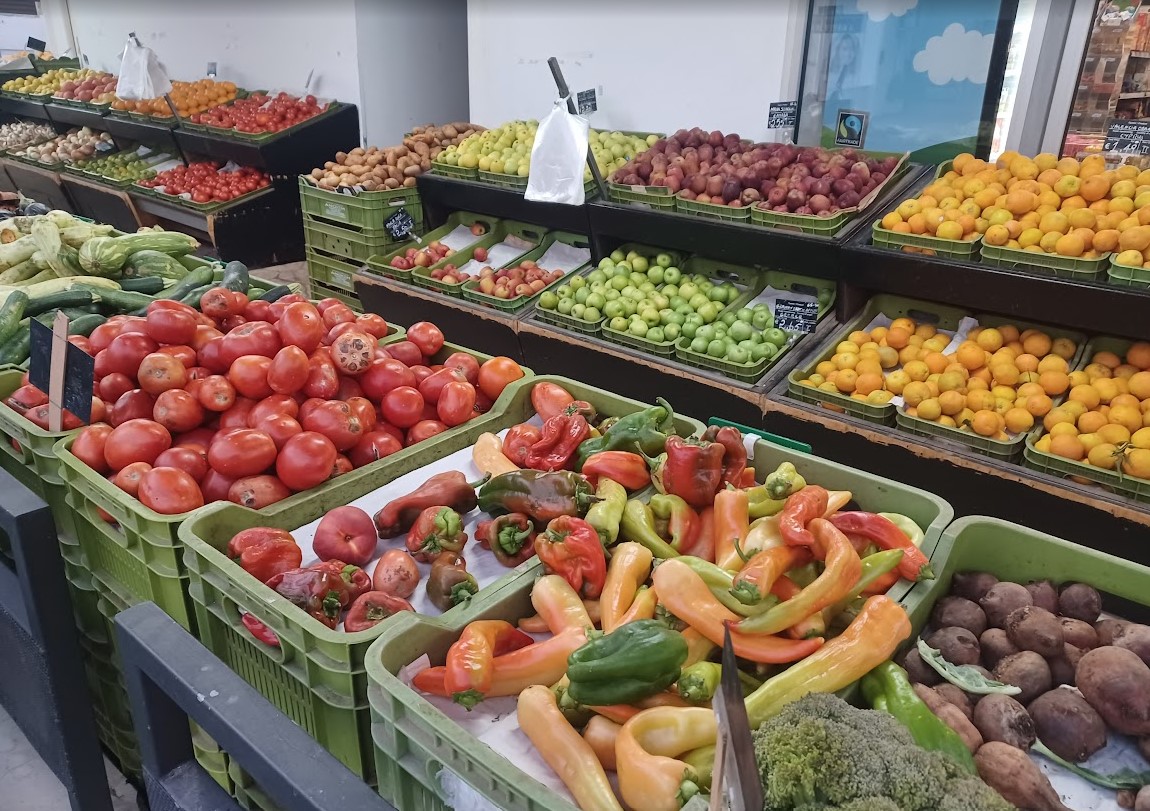
Every few months the Consumers Association issues figures collected via e-kalathi which compare the prices of a range of products available in different supermarkets. In the latest edition, the association reported that in the first half of May, 182 product barcodes covering 31 product categories were subject to price rises ranging from 1 per cent to nine per cent. The categories recording the highest price increases were nuts, fruit juices, vegetables, fabric softener, frozen vegetables and olive oil, it added.
None of this should come as a surprise given the rising costs for fuel and electricity, which have a knock-on effect on the price of most products. That prices for some products have gone up by between one and nine per cent should not be a cause of concern, even though the consumers association was complaining about the fact that “acute competition” was evident only in a few supermarkets. For most of the supermarkets participating in e-kalathi, “there does not seem to be any acute competition,” said the association. It came to this conclusion because price differences among supermarkets remained very wide.
The association also looked at the prices of 370 products of a supermarket chain with seven stores, which participates in e-kalathi and found that its “retail prices were very high compared to the average retail prices of all other supermarkets on the platform.” For some products, the price was almost double, it said, giving the impression that it considered the chain’s pricing out of order. Then again, a supermarket chain is entitled to charge whatever it wants for the products it sells in a market economy. Perhaps its business model is based on low turnover and bigger margins, for which it does not need anyone’s approval.
The main purpose of the consumers association is to provide people with daily information about supermarket prices and it has been effectively providing this service through e-kalathi. Whether people make use of this service, comparing the prices at different supermarkets and buying from the shop with the cheapest products, nobody knows. Perhaps if people were more price conscious in their purchasing habits there may have been more competition among supermarkets anyway. It may even have been “acute competition,” thus keeping the consumers association happy.
Other factors apart from price play a part in consumer purchase decisions. For example, the distance from a supermarket with lower-priced products, loyalty points consideration, familiarity with shop surroundings etc. It is entirely possible that people would be prepared to pay a higher shopping bill for what they regard as an easier shopping experience. Prices are not the only consideration of consumers although they should be, and this may be the reason we do not see “acute competition” among supermarkets. This should in no way diminish the value of e-kalathi, which for many people has proved extremely useful.





Click here to change your cookie preferences