
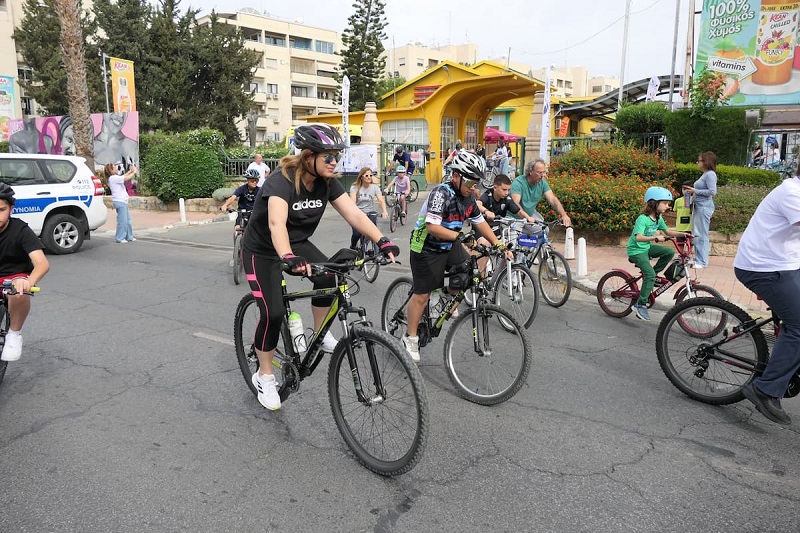
Cyprus and European Union officials highlighted on Wednesday the potential for sports tourism to expand travel, promote wellness and expand sustainability.
The future of sports tourism and broader policy areas was the subject of a two-day international conference in Nicosia with a focus on sustainable sports tourism, regional and community impacts, destination marketing, public-private-community partnerships and technological innovation.
The conference comes less than a month after the EU sports ministers adopted conclusions from the Council of the European Union that sports tourism is a contributor to sustainable development.
Local leaders said that taking a structured approach to sports tourism is in line with the priorities of the Cyprus presidency of the EU.
Sports tourism encompasses people travelling to major sporting events, including international tournaments, marathons and youth competitions. It also includes travel with the goal of physical activity itself.
“This includes walking trails, cycling routes, outdoor recreation, community sport experiences,” Glenn Micallef, the European sports commissioner told delegates in a pre-recorded address.
According to Micallef, highlighting opportunities for physical activity can allow people to discover less visited regions and encourage more off-peak season tourism.
Officials emphasised that sports tourism is connected to policy areas beyond the economy.
Kostas Koumis, deputy tourism minister, also argued that sports tourism can help make Cyprus a year-round destination. He hopes to incentivise international sporting events to come to Cyprus.
“Above all, sports tourism is a bridge of reference connecting people and cultures,” Koumis said in his opening remarks.
Education Minister Athena Michaelidou said in her opening remarks that sports tourism can promote physical and mental wellbeing, social inclusion, sustainable development, and community resilience.
Vassos Koutsioundas, acting head of the Cyprus Sports Organisation, echoed Michaelidou’s view.
He described sports tourism as a “strategic tool” that “develops responsibly, strengthens territorial cohesion, supports good jobs, promotes healthier lifestyles and raises the visibility of our regions.”
“And at the centre of all sits one principle, sustainability,” Koutsioundas said.



Click here to change your cookie preferences